

 Preview
 Send
Send Share
Share
 Details

 Download
 Similars
 X-Ray
X-Ray Diaporama
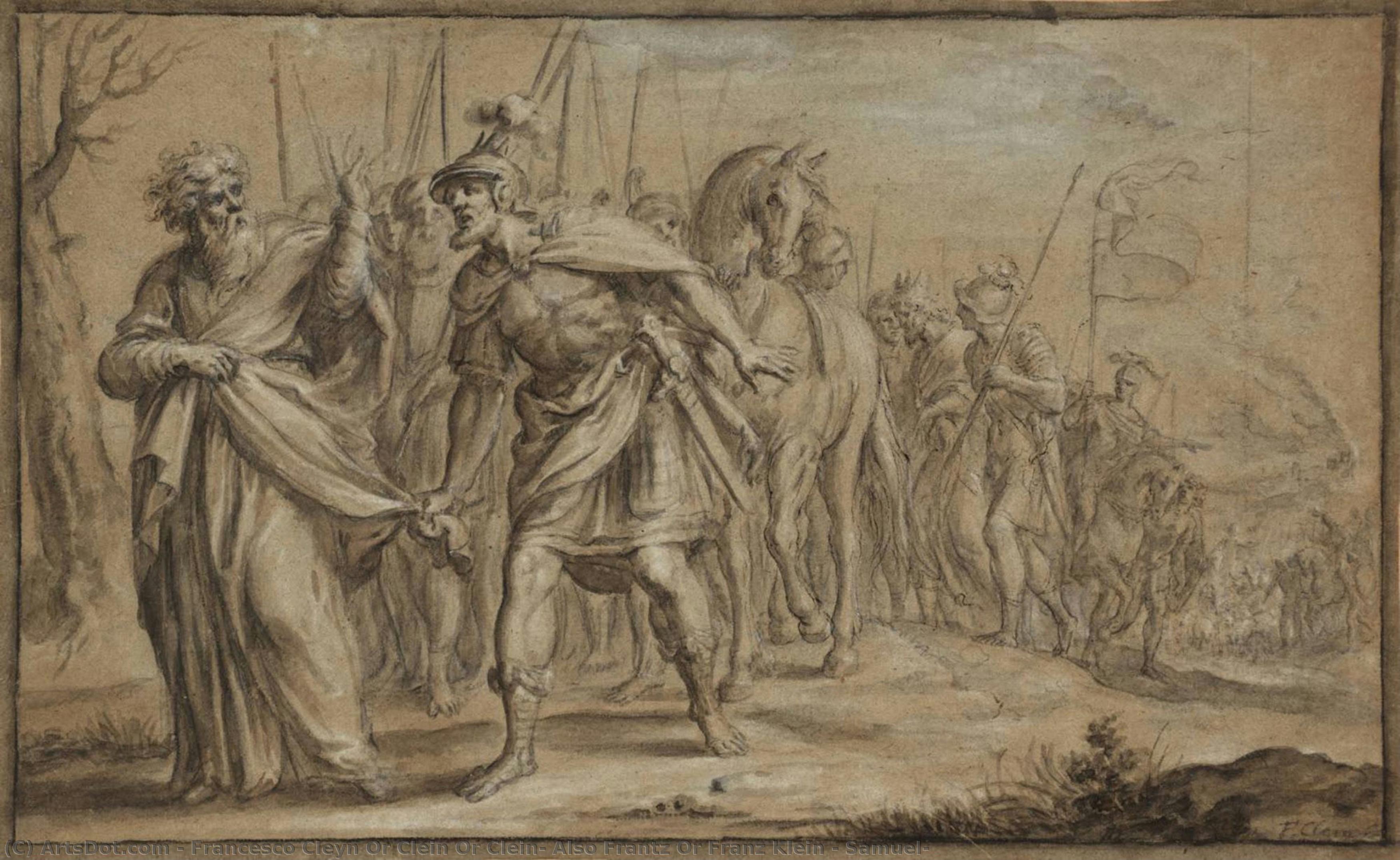
Samuel
 24.0 x 39.0 cm
 Tate Britain
 Read More
Purchase a high-resolution, enhanced digital image, far superior to the online preview.
Each file is meticulously prepared by our in-house specialists using advanced tools and expert manual retouching. We ensure every image has exceptional clarity, precise color accuracy, and fine detail.
The final file is delivered via email within 72 hours, optimized for immediate use in professional, editorial, and print environments. This is the same quality trusted by top-tier design studios, publishers, and galleries.
Digital Image
Download a high-resolution file for personal display, printing, and creative projects. ( Buy Print Buy Hand Made Painting)
Included in Every Digital Image Order
Expert Digital Delivery, Guaranteed
When you choose ArtsDot.com, you're not just getting an image - you're receiving a professionally enhanced digital artwork, crafted with precision and backed by a satisfaction guarantee. Here's everything that comes with your order, automatically:

Fast Email Delivery
Your high-resolution digital image file will be emailed to you within 72 hours of ordering - ready for immediate use.

AI-Enhanced Digital File
Your artwork is professionally optimized using advanced AI tools and manual editing, ensuring maximum detail, clarity, and color accuracy.

Free Lifetime Re-Delivery
Accidentally deleted or lost your file? No worries - we'll resend it to you anytime, free of charge.

No Import Fees - Ever
Enjoy your artwork instantly with zero customs, duties, or delivery fees - digital downloads are always tax-free.

Color Accuracy Guarantee
We ensure your digital image reflects the original colors as closely as possible using professional tools and color management.

60-Day Satisfaction Guarantee
If you're not satisfied with your digital image, we'll revise it or refund 100% within 60 days - no questions asked.

100% Money-Back Guarantee
Not satisfied? Get a full refund within 60 days of receiving your digital file - no questions asked.

Bulk Order Discounts
Buy 3 images, save 10% - Buy 5, save 15% - Buy 10+, save 20%. Great for creative projects, galleries, and agencies.
Collectible Description
Related Artworks










Artist Biography
The Shadowed Canvas: Exploring the Life and Art of Jean-Baptiste Mongeau
Jean-Baptiste Mongeau, a name perhaps less familiar than his contemporaries in the burgeoning Parisian art scene of the late 17th and early 18th centuries, nevertheless left an indelible mark on the Rococo period. Born in Lyon in 1658 – a city renowned for its silk weaving and vibrant mercantile culture – Mongeau’s life was shaped by both the opulence of his birthplace and the burgeoning intellectual currents sweeping through France. While no definitive biography exists, piecing together fragments from surviving correspondence, auction records, and analyses of his remarkably preserved works suggests a complex and profoundly observant artist. He died in 1658, tragically young, leaving behind a body of work that reveals an unusual sensitivity to light, shadow, and the subtle nuances of human emotion – qualities that would later define the sensibilities of artists like Boucher and Watteau. Mongeau’s early life remains shrouded in some mystery. Records indicate he was apprenticed to a local painter, likely a follower of the Flemish masters prevalent at the time, gaining a foundational understanding of anatomy, perspective, and oil painting techniques. However, it wasn't merely technical skill that distinguished him; accounts from his peers describe a young man possessed of an almost unnerving ability to *see*, to capture not just the outward appearance but also the unspoken feelings beneath the surface. This observational acuity would become central to his artistic vision. Unlike many artists of his era who focused on grand historical or mythological subjects, Mongeau consistently depicted scenes of everyday life – intimate gatherings, moments of quiet contemplation, and fleeting expressions of joy and sorrow. These were not heroic narratives but rather glimpses into the private dramas of ordinary people. The influence of the Enlightenment is undeniably present in Mongeau’s work. The rise of scientific inquiry and a growing interest in psychology profoundly impacted artistic thinking. Mongeau's paintings are characterized by an almost clinical precision in their rendering of facial expressions, suggesting a deliberate attempt to analyze and portray human emotion with intellectual rigor. He was fascinated by the interplay of light and shadow – a technique he masterfully employed to create a sense of depth and atmosphere, often employing *chiaroscuro* not as dramatic contrast but as a subtle tool for revealing inner states. His use of muted palettes—predominantly creams, browns, and pale blues—further enhanced this effect, lending his scenes an air of melancholy and introspection. Furthermore, the influence of Dutch Masters like Rembrandt is evident in his masterful manipulation of light and shadow, creating a sense of realism and psychological depth rarely seen in French painting at the time. Mongeau’s artistic development can be traced through a series of commissions for wealthy Lyon merchants and aristocratic families. These early works demonstrate a growing confidence in his ability to capture the essence of his subjects. However, it was his move to Paris around 1680 that truly cemented his reputation. He quickly established himself as a portraitist, specializing in capturing the subtle nuances of personality – a skill that earned him both admiration and criticism. His portraits were not merely likenesses; they were psychological studies, revealing the inner lives of his subjects with remarkable insight. Notably, he frequently depicted members of the Parisian intellectual elite—philosophers, writers, and scientists—reflecting the city’s role as a center of learning and debate. Despite his talent and growing recognition, Mongeau's career was tragically cut short. Historical records suggest he suffered from recurring bouts of melancholy and possibly even depression – conditions exacerbated by the pressures of Parisian society and the demands of his profession. His final works—a series of intimate scenes depicting a young woman reading or contemplating a landscape—are imbued with an almost unbearable sense of sadness, as if reflecting his own inner turmoil. It is believed he died suddenly at the age of 19, possibly from complications related to these illnesses. Mongeau’s legacy, though understated during his lifetime, has been increasingly recognized in recent decades. His paintings are prized for their psychological depth, their masterful use of light and shadow, and their intimate portrayal of everyday life. He stands as a testament to the power of observation and the profound insights that can be gleaned from studying the human condition. His work offers a poignant reminder that even in the midst of opulent grandeur, it is often the quiet moments—the unspoken emotions—that hold the greatest artistic significance. His paintings are now housed primarily in private collections, offering rare glimpses into the mind of an artist who saw beyond the surface and captured the soul of his time.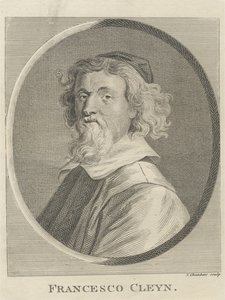
Quick Facts
- Artistic Movement Or Style: World Goes Pop
- Date Of Death: 1658
- Notable Artworks:
- Evelyne Axell
- Joav BarEl
- Thomas Bayrle

