

 Send
Send Share
Share
 Details

 Download
 Similars
 Diaporama
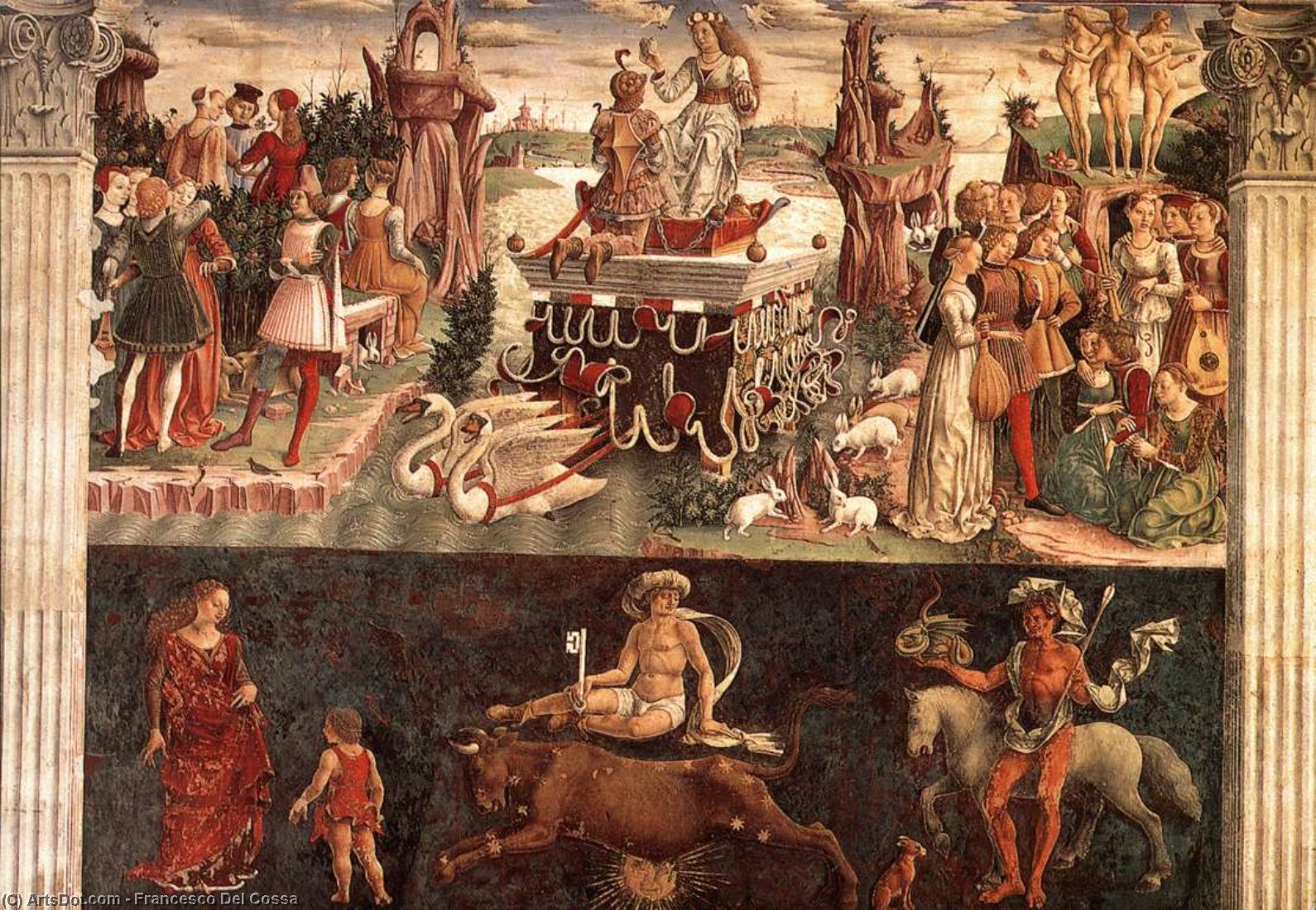
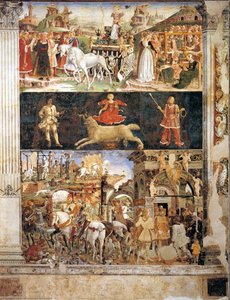
Allegory of April: Triumph of Venus
 Fresco
- Renaissance
 1476
1476- Renaissance
 500.0 x 320.0 cm
 Palazzo Schifanoia
 Read More
Purchase a high-resolution, enhanced digital image, far superior to the online preview.
Each file is meticulously prepared by our in-house specialists using advanced tools and expert manual retouching. We ensure every image has exceptional clarity, precise color accuracy, and fine detail.
The final file is delivered via email within 72 hours, optimized for immediate use in professional, editorial, and print environments. This is the same quality trusted by top-tier design studios, publishers, and galleries.
Digital Image
Download a high-resolution file for personal display, printing, and creative projects. ( Buy Print Buy Hand Made Painting)
Included in Every Digital Image Order
Expert Digital Delivery, Guaranteed
When you choose ArtsDot.com, you're not just getting an image - you're receiving a professionally enhanced digital artwork, crafted with precision and backed by a satisfaction guarantee. Here's everything that comes with your order, automatically:

Fast Email Delivery
Your high-resolution digital image file will be emailed to you within 72 hours of ordering - ready for immediate use.

AI-Enhanced Digital File
Your artwork is professionally optimized using advanced AI tools and manual editing, ensuring maximum detail, clarity, and color accuracy.

Free Lifetime Re-Delivery
Accidentally deleted or lost your file? No worries - we'll resend it to you anytime, free of charge.

No Import Fees - Ever
Enjoy your artwork instantly with zero customs, duties, or delivery fees - digital downloads are always tax-free.

Color Accuracy Guarantee
We ensure your digital image reflects the original colors as closely as possible using professional tools and color management.

60-Day Satisfaction Guarantee
If you're not satisfied with your digital image, we'll revise it or refund 100% within 60 days - no questions asked.

100% Money-Back Guarantee
Not satisfied? Get a full refund within 60 days of receiving your digital file - no questions asked.

Bulk Order Discounts
Buy 3 images, save 10% - Buy 5, save 15% - Buy 10+, save 20%. Great for creative projects, galleries, and agencies.
Collectible Description
A Renaissance Vision: The Radiance of April
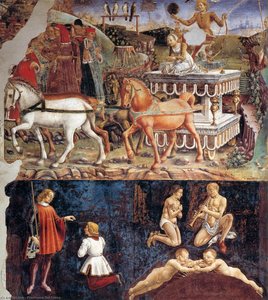
In the grand tapestry of the Italian Renaissance, few works capture the ephemeral beauty of the changing seasons with as much grace and complexity as Francesco del Cossa’s Allegory of April: Triumph of Venus. Created in 1476, this breathtaking fresco serves as a window into a world where myth and nature intertwine. At its heart lies the goddess Venus, seated with a regal yet serene presence, presiding over a scene that celebrates the rebirth of life. The composition is a masterclass in narrative density; every figure, from the attendants surrounding the goddess to the spirited animals scattered throughout the landscape, contributes to a sense of divine harmony. As the eye wanders across the vast 500 x 320 cm expanse, one discovers a meticulously detailed universe where horses and birds act as silent witnesses to the triumph of spring.
The technique employed by Del Cossa reveals the profound skill of the Ferrarese school. The fresco is not merely a painting but an immersive environment. Through the use of delicate light and shadow, the artist breathes life into inanimate objects—a simple bowl, a cup, or a book—elevating them to symbols of civilization and abundance. The interplay of textures, from the soft plumage of birds to the muscular elegance of the horses, showcases a command over form that was revolutionary for its time. For the discerning collector or interior designer, this piece offers more than just visual splendor; it provides a structural depth that can anchor a room, offering a sophisticated focal point that invites prolonged contemplation and conversation.
Symbolism and the Spirit of the Renaissance
Beyond its aesthetic brilliance, the Allegory of April is steeped in the intellectual currents of the late 15th century. During this era, the revival of classical antiquity meant that mythological figures were often used to represent natural phenomena or moral virtues. In this work, the triumph of Venus is synonymous with the arrival of April—a period of fertility, renewal, and the awakening of the senses. The presence of various objects scattered throughout the scene suggests a curated collection of worldly delights, perhaps hinting at the humanist pursuit of knowledge and beauty. Each element, carefully placed by Del Cossa’s hand, serves as a metaphor for the cyclical nature of life and the enduring power of love and growth.
To possess a reproduction of such a masterpiece is to bring a piece of historical soul into a contemporary space. The emotional impact of the fresco lies in its ability to evoke nostalgia for a lost golden age, while its vibrant energy remains strikingly modern. Whether placed in a grand gallery, a refined study, or a luxurious living area, this artwork transcends mere decoration. It becomes an atmospheric element that breathes life, history, and a sense of timeless elegance into any interior design scheme, reminding all who behold it of the eternal beauty found in the turning of the seasons.
Related Artworks
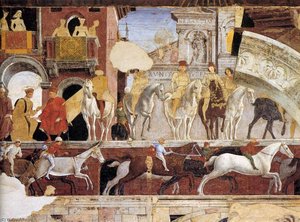
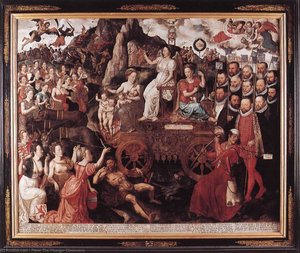
Artist Biography
Francesco del Cossa: A Renaissance Master of Ferrara
Francesco del Cossa (c. 1436 – 1477) was a pivotal Italian Renaissance painter associated with the Ferrarese school. Born in Ferrara, Italy, he remains an intriguing figure whose life and career are somewhat shrouded in historical detail, yet his artistic contributions, particularly his frescoes, stand as testaments to his skill and innovative approach within the burgeoning Renaissance style.
Early Life and Training
Del Cossa was the son of a stonemason, Cristofano del Cossa, who also worked as an artist. Little is definitively known about Francesco’s early artistic training, but it's believed he assisted his father in painting decorations for the chapel of the Bishop's Palace in Ferrara around 1456. This early exposure to artistic practice undoubtedly shaped his initial development. He appears to have travelled outside of Ferrara during his late twenties or early thirties, gaining experience and potentially encountering new artistic influences.
Major Works and Artistic Style
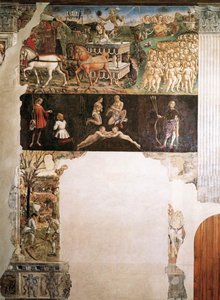
Del Cossa is primarily celebrated for his fresco cycles, most notably those adorning the Palazzo Schifanoia, a summer palace just outside the city gates of Ferrara. In collaboration with Cosimo Tura, he contributed to elaborate allegorical decorations depicting zodiacal signs and months of the year. Specific frescoes attributed to del Cossa include the "Allegory of May – Triumph of Apollo," notable for its striking depiction of a multitude of naked toddlers arranged in a visually arresting formation, and the “Allegory of April,” which features an early representation of the Three Graces, predating Botticelli’s famous version. These frescoes demonstrate his mastery of perspective, detail, and narrative storytelling.
- Palazzo Schifanoia Frescoes: Zodiacal allegories showcasing a blend of classical mythology and Renaissance realism.
- Allegory of May – Triumph of Apollo: Renowned for its unique portrayal of numerous naked children.
- Allegory of April: Features an early depiction of the Three Graces, demonstrating his understanding of classical themes.
Beyond the Palazzo Schifanoia, del Cossa produced other significant works:
- Virgin and Child with Two Saints (Bologna)
- Portrait of Alberto de' Catanei (Bologna)
- Fresco of Madonna del Baracano (Bologna), depicting the Virgin Mary and Child with portraits of Giovanni Bentivoglio and Maria Vinziguerra.
- Stained glass window at San Giovanni in Monte, Bologna (signed).
Development and Influences
Del Cossa’s style reflects a blend of influences characteristic of the Ferrarese Renaissance. While rooted in earlier Gothic traditions, his work demonstrates an increasing engagement with classical forms and humanist ideals. His attention to detail, particularly in depicting fabrics and textures, reveals a keen observational skill. The influence of early Netherlandish painting can also be detected in his meticulous rendering of details. His brief but impactful period in Bologna under the patronage of the Bentivoglio family further refined his style, leading to some of his most celebrated portraits.
Historical Significance
Francesco del Cossa’s legacy rests on his contributions to Ferrarese Renaissance art and his unique artistic vision. Though his career was relatively short, he left behind a body of work that showcases the dynamism and innovation of the period. His frescoes at Palazzo Schifanoia are invaluable documents of 15th-century courtly life and artistic patronage. His depictions of classical themes, such as the Three Graces, demonstrate an early engagement with humanist ideals. Del Cossa’s recent recognition in Ali Smith's novel "How to Be Both" and his connection to a Google Earth treasure hunt have further brought attention to this often-overlooked Renaissance master.
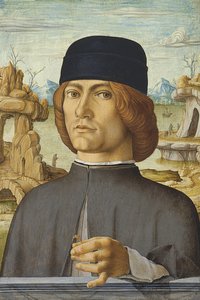
Francesco del Cossa
1436 - 1477 , Italy
Quick Facts
- Artistic Movement Or Style: Italian Renaissance
- Artists Or Movements Influenced By This Artist: ['Leonardo Scaletti']
- Date Of Birth: 1436
- Date Of Death: 1477
- Full Name: Francesco del Cossa
- Nationality: Italian
- Notable Artworks:
- Allegory of May
- Allegory of April
- Portrait of a Man
- Madonna with the Child
- St. Vincent Ferrer
- Place Of Birth (City And Country): Ferrara, Italy

