

 Preview
 Send
Send Share
Share
 Details

 Download
 Similars
 X-Ray
X-Ray Diaporama
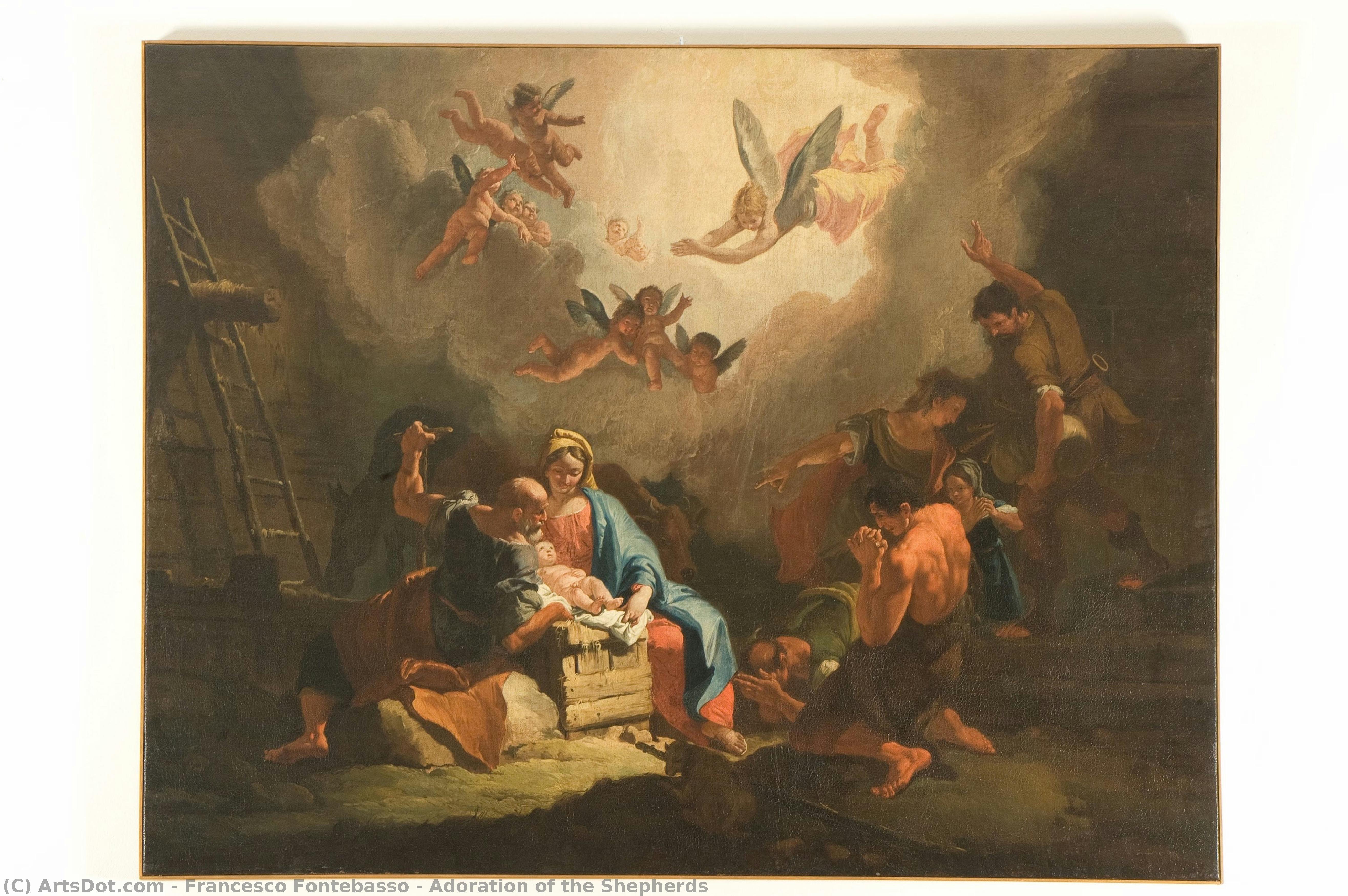
Adoration of the Shepherds


 Read More
Purchase a high-resolution, enhanced digital image, far superior to the online preview.
Each file is meticulously prepared by our in-house specialists using advanced tools and expert manual retouching. We ensure every image has exceptional clarity, precise color accuracy, and fine detail.
The final file is delivered via email within 72 hours, optimized for immediate use in professional, editorial, and print environments. This is the same quality trusted by top-tier design studios, publishers, and galleries.
Digital Image
Download a high-resolution file for personal display, printing, and creative projects. ( Buy Print Buy Hand Made Painting)
Included in Every Digital Image Order
Expert Digital Delivery, Guaranteed
When you choose ArtsDot.com, you're not just getting an image - you're receiving a professionally enhanced digital artwork, crafted with precision and backed by a satisfaction guarantee. Here's everything that comes with your order, automatically:

Fast Email Delivery
Your high-resolution digital image file will be emailed to you within 72 hours of ordering - ready for immediate use.

AI-Enhanced Digital File
Your artwork is professionally optimized using advanced AI tools and manual editing, ensuring maximum detail, clarity, and color accuracy.

Free Lifetime Re-Delivery
Accidentally deleted or lost your file? No worries - we'll resend it to you anytime, free of charge.

No Import Fees - Ever
Enjoy your artwork instantly with zero customs, duties, or delivery fees - digital downloads are always tax-free.

Color Accuracy Guarantee
We ensure your digital image reflects the original colors as closely as possible using professional tools and color management.

60-Day Satisfaction Guarantee
If you're not satisfied with your digital image, we'll revise it or refund 100% within 60 days - no questions asked.

100% Money-Back Guarantee
Not satisfied? Get a full refund within 60 days of receiving your digital file - no questions asked.

Bulk Order Discounts
Buy 3 images, save 10% - Buy 5, save 15% - Buy 10+, save 20%. Great for creative projects, galleries, and agencies.
Collectible Description
A Celestial Encounter in the Venetian Twilight
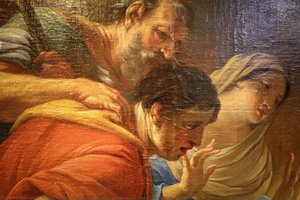
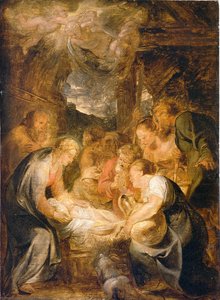
In the quiet, humble confines of a rustic stable, Francesco Fontebasso captures a moment of profound divine intervention that transcends the boundaries of time and space. Adoration of the Shepherds is not merely a depiction of a biblical event; it is a masterclass in the interplay between the earthly and the ethereal. As the night unfolds, the darkness of the humble hut is pierced by a celestial radiance, a vortex of light streaming from above through a swirling dance of clouds and angelic host. This dramatic illumination serves as the heartbeat of the composition, drawing the viewer’s eye immediately to the center of the miracle: the Virgin Mary, cradling the newborn Christ, her presence radiating a serene yet powerful sanctity.
The scene is rich with the textures of 18th-century Venetian mastery. Fontebasso, a pupil of Sebastiano Ricci and a contemporary deeply moved by the grandeur of Tiepolo, employs a technique that bridges the dramatic tension of the late Baroque with the delicate, airy grace of the Rococo. One can almost feel the warmth of the flickering light against the rough textures of the wooden beams and the soft, weathered skin of the shepherds. The artist’s ability to manipulate light—creating deep, velvety shadows that contrast sharply with the brilliant, heavenly glow—imbues the canvas with a sense of movement and life, making the atmosphere feel thick with both awe and intimacy.
Symbolism and the Language of Devotion
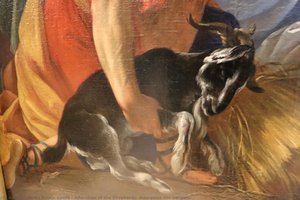
Every element within this sacred tableau is imbued with layers of symbolic meaning, designed to guide the faithful through a journey of contemplation. To the right, the shepherds arrive in postures of profound reverence, their bodies bowed by the weight of the miracle they witness. They bring with them modest offerings that speak to the simplicity of their lives and the gravity of their devotion: a sheep, representing the sacrificial lamb to come; shepherd’s crooks; flutes; and small provisions. These humble gifts serve as a poignant reminder of the intersection between the mundane and the divine. In the periphery, the quiet presence of the ox and the donkey adds a touch of pastoral reality, grounding the supernatural event in the tangible world.
The composition itself is a carefully orchestrated dance of figures. The nine individuals scattered throughout the scene—from those standing in quiet observation to those kneeling in fervent prayer—create a rhythmic flow that leads the soul toward the manger. For the collector or the interior designer, this painting offers more than just visual beauty; it provides a focal point of spiritual depth and narrative complexity. It is a piece that invites long periods of study, where one might discover new details in the folds of a cloak or the subtle expression of an angel’s face.
An Eternal Inspiration for the Discerning Collector
For those seeking to curate a space of reflection, elegance, and historical significance, Adoration of the Shepherds stands as an incomparable choice. Whether placed in a grand hall or a quiet study, a high-quality reproduction of this masterpiece brings with it the prestige of the Venetian school and the emotional resonance of a timeless story. The painting’s palette—a sophisticated blend of warm earth tones and brilliant, heavenly highlights—complements diverse interior aesthetics, from classical traditionalism to more contemporary, dramatic settings.
Owning a piece that captures such intense emotion and technical virtuosity allows one to preserve a fragment of art history. Fontebasso’s ability to evoke tenderness through the gaze of Mary and the awe of the shepherds ensures that this artwork remains a living, breathing presence in any collection. It is an invitation to experience the sublime, a visual poem written in light and shadow that continues to inspire devotion and wonder centuries after its creation.
Related Artworks

Artist Biography
Francesco Fontebasso: A Venetian Master of Light and Emotion
Francesco Fontebasso, a name perhaps less familiar than those of Tiepolo or Bellini, nevertheless represents a crucial bridge between the late Baroque and the burgeoning Rococo styles that defined Venice in the 18th century. Born in Venice in 1707, Fontebasso’s artistic journey was shaped by apprenticeship under the esteemed Sebastiano Ricci, yet profoundly influenced by the dramatic grandeur of Giovanni Battista Tiepolo – a connection that would permeate his own work for decades to come. His life, though relatively brief, spanning just six decades, witnessed him contribute significantly to the visual landscape of Venice and beyond, leaving behind a legacy of captivating paintings characterized by dynamic composition, masterful use of light, and an undeniable emotional intensity. Fontebasso’s early training instilled in him a solid grounding in traditional Venetian painting techniques. However, it was his encounter with Tiepolo's frescoes – particularly at the Cathedral of Udine – that proved transformative. Tiepolo’s exuberant color palette, theatrical lighting, and ability to infuse narrative scenes with palpable emotion became a defining influence on Fontebasso’s artistic sensibilities. This admiration extended beyond mere stylistic imitation; Fontebasso sought to capture the same sense of drama and movement as his mentor, translating it into his own distinctive visual language. His time in Saint Petersburg in 1761 proved pivotal, offering him an unprecedented opportunity to apply these principles on a grand scale within the opulent Winter Palace. The commission to decorate vast ceilings with intricate allegorical scenes demanded a mastery of perspective and color that showcased Fontebasso’s burgeoning talent and solidified his reputation as a skilled decorator. Fontebasso's artistic output can be broadly categorized into several key areas. He was a prolific fresco painter, undertaking significant commissions for prominent Venetian families such as the Barbarigo, Bernardi, and Duodo. These projects demonstrate his ability to seamlessly integrate decorative elements with narrative content, creating immersive environments that engaged the viewer’s imagination. His work in the Palazzo Duodo, particularly the series of scenes depicting episodes from the life of St. Francis, stands out for its dramatic lighting and expressive figures – a testament to Fontebasso's growing independence as an artist. Beyond his decorative commissions, Fontebasso also produced standalone paintings that explored classical themes and biblical narratives. “Mucius Scaevola puts his hand into the fire in front of the Etruscan prince Porsenna,” for example, vividly illustrates his command of Baroque dramaticism, employing intense color contrasts and dynamic composition to convey the hero’s unwavering courage. The painting “San Francisco de Paul con un fratello Saint Paul et saint François (ancien titre)” showcases Fontebasso's ability to capture a sense of movement and spiritual intensity within a turbulent landscape, highlighting the monks' devotion amidst a dramatic setting. Fontebasso’s artistic development wasn’t confined solely to Venice. His invitation to St. Petersburg in 1761 marked a significant turning point, exposing him to a different cultural context and providing an opportunity to refine his skills on a monumental scale. The ceiling paintings he created for the Winter Palace demonstrated his ability to adapt his Venetian style to the tastes of European royalty, showcasing his technical proficiency and understanding of perspective. His return to Venice in 1768 allowed him to continue his work within his native city, culminating in the decoration of the Chapel of St. Peter of Alcantara in San Francesco della Vigna – a project that further cemented his reputation as a leading Venetian painter. The chapel’s frescoes, depicting scenes from the life of St. Francis, are particularly noteworthy for their vibrant colors and expressive figures. Despite his relatively short career, Francesco Fontebasso left an enduring mark on Venetian art history. His work exemplifies the dynamism and emotional intensity that characterized the late Baroque and Rococo periods, while simultaneously demonstrating a deep respect for tradition. His influence can be seen in the works of subsequent generations of Venetian painters, and his paintings continue to captivate viewers today with their dramatic lighting, expressive figures, and masterful use of color. His legacy is preserved in collections such as that of Kadriorg Palace in Tallinn, Estonia, ensuring that this often-overlooked master continues to inspire and delight art lovers around the world.Key Works & Notable Commissions
- Palazzo Duodo (Venice): Ceiling frescoes depicting scenes from the life of St. Francis.
- Palazzo Barbarigo (Venice): Decorative panels and ceiling paintings.
- Palazzo Bernardi (Venice): Ceiling fresco.
- Winter Palace, Saint Petersburg: Extensive ceiling decorations and murals.
- San Francesco della Vigna Chapel (Venice): Frescoes depicting scenes from the life of St. Francis.
Influences & Artistic Style
Francesco Fontebasso’s artistic style was deeply rooted in the traditions of Venetian painting, yet significantly shaped by the influence of Giovanni Battista Tiepolo. He embraced Tiepolo's dynamic composition, theatrical lighting, and expressive use of color, while also incorporating elements of Baroque drama and classical subject matter. His work is characterized by a sense of movement, emotional intensity, and meticulous attention to detail.Historical Significance
Fontebasso’s career coincided with a period of significant artistic innovation in Venice, as the city transitioned from the late Baroque to the Rococo style. He played a crucial role in bridging this transition, demonstrating the enduring vitality of Venetian painting traditions while simultaneously embracing new stylistic influences. His work reflects the cultural and political landscape of 18th-century Venice, showcasing the city’s wealth, power, and artistic patronage.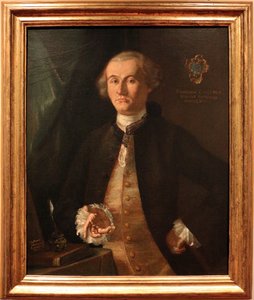
Francesco Fontebasso
1707 - 1769 , Italy
Quick Facts
- Artistic Movement Or Style: Late-Baroque/Rococo
- Artists Or Movements Influenced By This Artist: ["Tiepolo's influence"]
- Artists Who Influenced This Artist:
- Sebastiano Ricci
- Giovanni Battista Tiepolo
- Date Of Birth: 1707 Venice, Italy
- Date Of Death: 1769 Venice, Italy
- Full Name: Francesco Fontebasso
- Nationality: Italian
- Notable Artworks:
- Saint François de Paul
- Mucius Scaevola
- The Last Supper
- Place Of Birth: Venice, Italy

