 Preview
 Send
Send Share
Share
 Details

 Download
 Similars
 X-Ray
X-Ray Diaporama
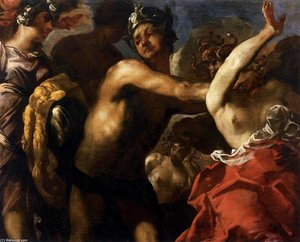
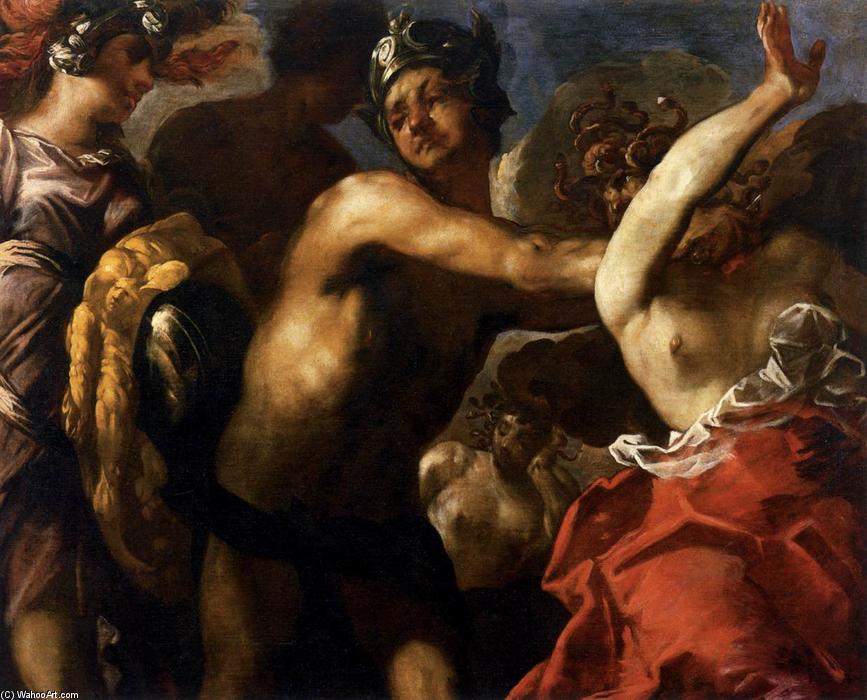
Perseus Beheading Medusa
 Oil On Canvas
- WallArt
- Baroque
 1650
1650- Early Modern
 130.0 x 161.0 cm
 Gallerie dell'Accademia
 Read More
Hand Made Oil Reproduction
Hand-painted oil on canvas in your size and frame, made to order by our artists. ( Buy Print Buy Image)




P118B $10

P118H $10

P118W $10

P438Z $10

P508JH $12

P508YH $12

P805H $10

P805Z $10

P919BZ $10

P919G $10

P919XJ $10

P959ZH $10

P968JZ $12

W106C $8

W218G $10

W218JH $8

W218Y $10

W307PJ $10

W316G $10

W316PJ $8

W316Y $10

W398PJ $8

W4111J $10

W500HY $15

W500JH $15

W692G $12

W849H $8

W940BG $15

W953PJ $8




Pick from our preset sizes that match the artwork's original proportions.

You may enter your own dimensions to fit a specific frame or space. If your selected size does not match the original image's proportions, we will either crop the artwork or extend the painting with additional hand-painted elements. A digital mockup will be sent for your approval before production begins.
Please note that the on-screen preview does not reflect the actual cropping or extension. Only the mockup will accurately show the final composition.
While custom sizes are available, we recommend selecting a dimension from the predefined list to preserve the original proportions.
After order, ArtsDot.com team will email client for instructions and provide a mockup preview
Worldwide Delivery () in 3/4 weeks instead of standard 5 weeks. (18 August). No compromise on quality.

Free Worldwide Express Shipping

High-Quality Linen Canvas

Full Shipping Insurance

Customs Tax Refund Guarantee

True Color Matching Guarantee

60-Day Return Policy (Defects Only)

100% Money-Back Guarantee

Bulk Discount Offer
 Glass option is only available in size under 110 CM

Perseus Beheading Medusa
Reproduction Medium
Reproduction Size
-


Total Price
$ 263
Artwork Description
The Drama of Myth Made Manifest
To stand before Perseus Beheading Medusa by Francesco Maffei is to be plunged headfirst into the raw, visceral energy of classical mythology. This monumental canvas does not merely depict a story; it captures a precise, breathtaking moment of divine violence and necessary heroism. The air itself seems thick with drama—the clash of steel against serpentine horror, the weight of fate settling upon the figures surrounding the central act. Maffei masterfully orchestrates this chaos, drawing the viewer into the immediate aftermath of Perseus’s decisive blow. Observe the tension coiled in every limb, the dramatic sweep of the drapery catching the implied light, and the sheer narrative force emanating from the composition.
Mastery of Baroque Action
Painted around 1650, this work sits comfortably within the vibrant currents of late Mannerism bleeding into early Baroque drama. While the subject matter is rooted in ancient Greek legend, Maffei’s execution possesses a distinctly Counter-Reformation flair—a heightened sense of emotion and theatricality that characterized Italian art of the mid-seventeenth century. The technique employed suggests a rich application of oil paint, allowing for both luminous skin tones and deep, dramatic shadows within the swirling backdrop of clouds. The composition is anything but static; it pulses with implied motion. Notice how the surrounding figures—the onlookers, the supporting characters—are not mere decoration, but active participants in the emotional fallout of this pivotal moment.
Symbolism and the Weight of Legend
The narrative itself is steeped in potent symbolism. Perseus, the slayer of Medusa, embodies the triumph of order over monstrous chaos. Medusa, with her petrifying gaze, represents primal danger or forbidden knowledge. The act of beheading is not simply an execution; it is a necessary rite of passage, a confrontation with the terrifying aspects of nature or self that must be overcome for heroism to emerge. For the collector or decorator, this piece offers more than just mythological grandeur; it speaks to themes of courage, transformation, and the enduring human struggle against overwhelming odds. The inclusion of multiple figures adds layers of commentary—witnesses to history, perhaps, or allegories of virtue observing vice.
Bringing Epic Drama Home
Considering its substantial size of 130 x 161 cm, this reproduction is designed not merely to hang on a wall, but to anchor a room with the gravitas of an epic fresco. For those seeking art that commands attention and sparks conversation, Maffei’s vision provides unparalleled depth. Whether placed above a grand mantelpiece or within a richly paneled salon, its dramatic intensity elevates any interior space from mere dwelling to a stage for contemplation. Owning this piece is acquiring a tangible echo of Renaissance and Baroque storytelling—a breathtaking portal into the heart of classical myth.
Related Artworks

Artist Biography
Johannes Stradanus: A Florentine Master of the Sixteenth Century
Born in Bruges around 1523 and passing away in Florence in 1605, Johannes Stradanus – also known as Jan van der Straet or Giovanni Stradano – stands as a pivotal figure bridging the artistic currents of the Northern Renaissance with the burgeoning dynamism of Italian Mannerism. His life was one of constant movement, a testament to his ambition and intellectual curiosity, ultimately establishing him as a remarkably versatile artist active across Flanders, Italy, and beyond. Stradanus wasn’t merely a painter; he was a designer, printmaker, tapestry weaver, and even a decorator for the Medici court – a true polymath whose influence resonated throughout Europe.
Stradanus's early training occurred within the workshop of his father, a Flemish painter, followed by studies with Pieter Aertsen in Antwerp. This exposure to the established artistic traditions of Flanders instilled in him a solid foundation in composition and technique. However, it was his relocation to Florence that truly ignited his creative spirit and propelled him towards a distinctly Mannerist style. The vibrant atmosphere of the Florentine art scene, coupled with his encounters with leading artists like Rosso Fiorentino and Pontormo, profoundly shaped his artistic vision. He embraced the Italian penchant for elongated figures, complex spatial arrangements, and an emphasis on emotional expression – characteristics that distinguished him from the more restrained Northern Renaissance aesthetic.
A Court Artist and Designer of Grandeur
Stradanus quickly established himself as a sought-after artist within the Florentine court. His talent was recognized by the Medici family, who commissioned him for numerous projects, including elaborate altarpieces for prominent churches like Santa Felicita and San Lorenzo. These monumental works showcased his mastery of fresco painting, employing intricate designs and dramatic narratives to convey religious themes. Beyond painting, Stradanus’s skills extended to tapestry design – a highly valued profession at the time – creating opulent fabrics adorned with mythological scenes and allegorical representations for the Medici palace. His ability to seamlessly blend these diverse artistic disciplines cemented his position as a leading figure in Florentine courtly culture.
His influence wasn't limited to Florence; Stradanus traveled extensively, working on commissions throughout Italy, including Rome and Naples. He became involved with the Accademia e Compagnia delle Arti del Disegno, one of the earliest artistic academies established in Florence, reflecting his commitment to professionalizing art practice. He also played a crucial role in the development of printmaking, collaborating with engravers and publishers to disseminate his designs across Europe. His innovative approach to combining engraving and etching on a single plate became increasingly popular, contributing significantly to the spread of Mannerist imagery.
Style and Technique: A Synthesis of Influences
Stradanus’s artistic style is characterized by a sophisticated synthesis of Northern and Italian influences. He retained elements of Flemish realism – particularly in his rendering of figures and details – while embracing the dynamism, elegance, and psychological depth associated with Mannerism. His compositions are often complex and layered, featuring elongated figures, dramatic gestures, and intricate decorative patterns. He skillfully employed color to create a sense of atmosphere and emotional intensity, utilizing subtle gradations and contrasting hues to heighten visual impact.
His printmaking was equally innovative. Stradanus’s engravings were renowned for their precision, detail, and expressive quality. He demonstrated a remarkable ability to capture the nuances of human emotion and movement in his prints, often drawing inspiration from classical mythology and religious subjects. He wasn't simply reproducing existing images; he was actively shaping artistic trends through his designs.
Legacy and Historical Significance
Johannes Stradanus’s legacy extends far beyond his individual works. He served as a crucial bridge between the Northern and Southern Renaissance, facilitating the exchange of ideas and techniques across Europe. His versatility as an artist – encompassing painting, tapestry design, printmaking, and decorative arts – exemplifies the interconnectedness of artistic practices during the 16th century. Stradanus’s contributions to the development of Mannerism and printmaking are particularly noteworthy, shaping the course of European art history. He remains a testament to the dynamism and intellectual curiosity that defined the era, leaving behind a rich body of work that continues to captivate viewers today.
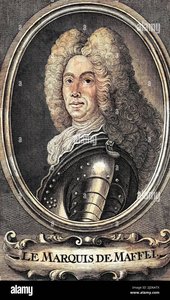
francesco maffei
1605 - 1660 , Italy
Quick Facts
- Artistic Movement Or Style: Renaissance, Baroque
- Artists Or Movements Influenced By This Artist: ['Romanists']
- Artists Who Influenced This Artist: ['Pieter Aertsen']
- Date Of Birth: 1523
- Date Of Death: 1605
- Full Name: Johannes Stradanus
- Nationality: Flemish
- Notable Artworks:
- Landscape with fishermen
- Portrait of Cardinal Agucchi
- A Virgin with a Unicorn
- Place Of Birth: Bruges, Flanders
Related Articles

Giclée Prints: Archival Quality & Aesthetic Nuances for the Discerning Collector
Explore the world of giclée prints with ArtsDot. Learn about archival quality, aesthetic nuances & investment potential. Expert guidance for discerning art collectors seeking museum-quality reproductions and lasting value.

Baroque Drama: Bringing Opulence & Emotion into Contemporary Interiors
Explore the opulent world of Baroque interior design! Discover key elements, modern applications & how to bring dramatic elegance into your home with 's authentic reproductions.

Echoes of Time: Exploring the Enduring Appeal & Historical Context of Vintage Art Prints
Explore the captivating world of vintage art prints! Discover their history, collecting tips & enduring appeal. Expert insights on chromolithography and building a legacy collection with ArtsDot.

The Visceral Stage: Exploring Dramatic Narratives & Emotional Intensity in Baroque Art
Explore the dramatic world of Baroque art! Discover iconic masters like Caravaggio & Rembrandt, their techniques, and the movement's lasting impact. Expert insights for collectors & enthusiasts at ArtsDot.

Baroque Masterpieces: 10 Paintings That Defined an Era |
Journey through the drama & grandeur of Baroque art! Explore 10 masterpieces by Caravaggio, Rembrandt, Rubens & more. Discover stunning oil paintings, rich colors & timeless stories. Find museum-quality reproductions at .