

 Preview
 Send
Send Share
Share
 Details

 Download
 Similars
 X-Ray
X-Ray Diaporama
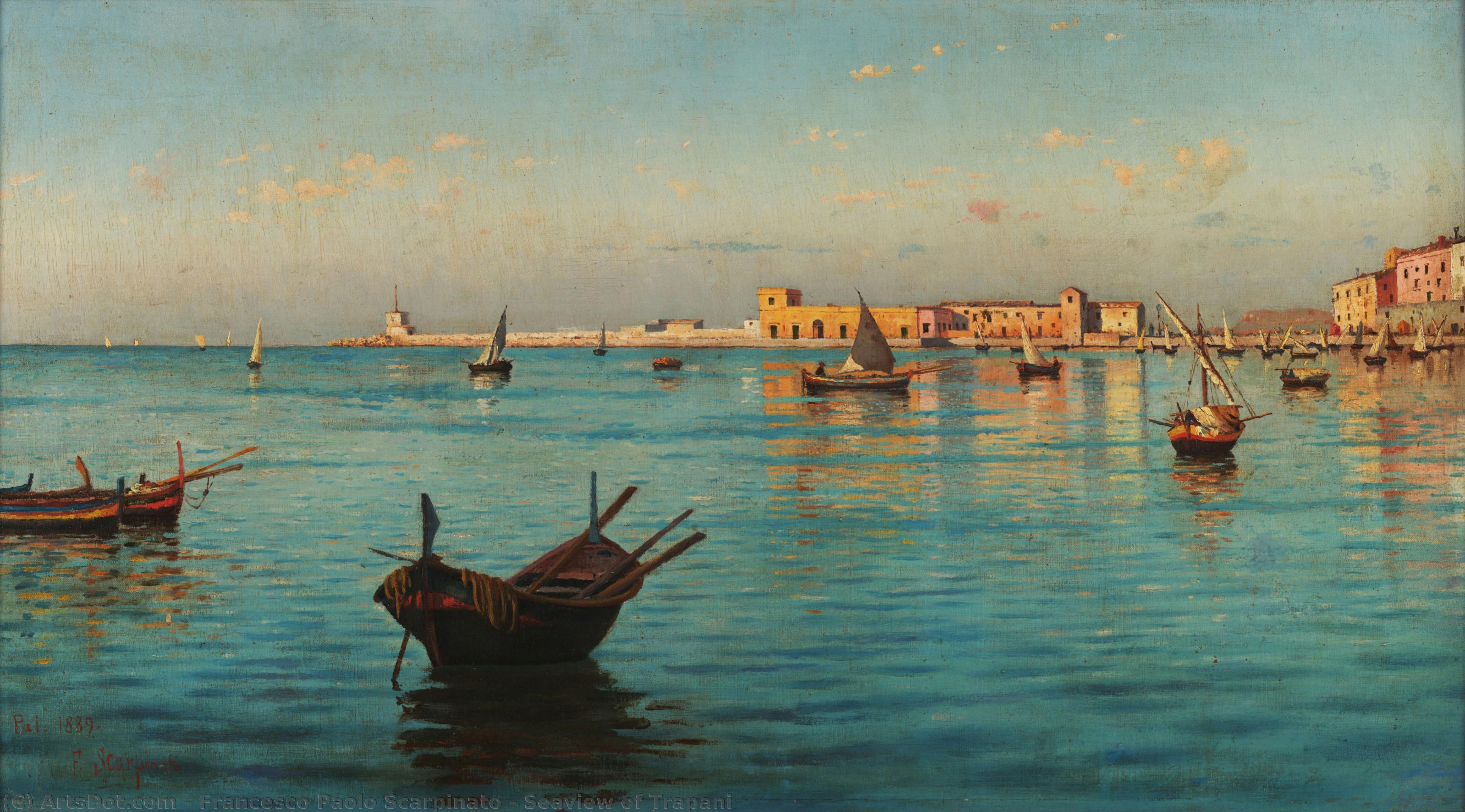
Seaview of Trapani
 1889
1889 42.0 x 76.0 cm
 Read More
Purchase a high-resolution, enhanced digital image, far superior to the online preview.
Each file is meticulously prepared by our in-house specialists using advanced tools and expert manual retouching. We ensure every image has exceptional clarity, precise color accuracy, and fine detail.
The final file is delivered via email within 72 hours, optimized for immediate use in professional, editorial, and print environments. This is the same quality trusted by top-tier design studios, publishers, and galleries.
Digital Image
Download a high-resolution file for personal display, printing, and creative projects. ( Buy Print Buy Hand Made Painting)
Included in Every Digital Image Order
Expert Digital Delivery, Guaranteed
When you choose ArtsDot.com, you're not just getting an image - you're receiving a professionally enhanced digital artwork, crafted with precision and backed by a satisfaction guarantee. Here's everything that comes with your order, automatically:

Fast Email Delivery
Your high-resolution digital image file will be emailed to you within 72 hours of ordering - ready for immediate use.

AI-Enhanced Digital File
Your artwork is professionally optimized using advanced AI tools and manual editing, ensuring maximum detail, clarity, and color accuracy.

Free Lifetime Re-Delivery
Accidentally deleted or lost your file? No worries - we'll resend it to you anytime, free of charge.

No Import Fees - Ever
Enjoy your artwork instantly with zero customs, duties, or delivery fees - digital downloads are always tax-free.

Color Accuracy Guarantee
We ensure your digital image reflects the original colors as closely as possible using professional tools and color management.

60-Day Satisfaction Guarantee
If you're not satisfied with your digital image, we'll revise it or refund 100% within 60 days - no questions asked.

100% Money-Back Guarantee
Not satisfied? Get a full refund within 60 days of receiving your digital file - no questions asked.

Bulk Order Discounts
Buy 3 images, save 10% - Buy 5, save 15% - Buy 10+, save 20%. Great for creative projects, galleries, and agencies.
Related Artworks










Artist Biography
Claude Monet: Capturing the Ephemeral Light of Impressionism
Born in Paris in 1840, Claude Monet’s journey to becoming one of the most influential figures in art history was far from a straightforward path. His early life, steeped in the bustling port city of Le Havre, Normandy, provided a crucial foundation for his future artistic endeavors. Unlike many artists of his time destined for formal training within established academies, Monet's initial exposure came through direct engagement with the natural world – a profound influence that would shape his entire oeuvre. This connection to nature, fostered by his mentor Eugène Boudin, who introduced him to the practice of *plein air* painting—working directly from nature outdoors—proved transformative, laying the groundwork for his revolutionary approach to capturing light and color.
Monet’s formative years were marked by a deliberate rejection of traditional academic training. He initially enrolled in Charles Gleyre's studio in Paris, a space that brought him into contact with other emerging artists like Pierre-Auguste Renoir, Frédéric Bazille, and Alfred Sisley – individuals who would later become key collaborators and fellow Impressionists. However, Monet’s artistic sensibilities chafed against the rigid conventions of the Salon system, the official art exhibition controlled by the Académie des Beaux-Arts. This dissatisfaction fueled his desire to break free from established norms and explore a more subjective and immediate representation of reality.
- Early Works (1860s): Monet’s early paintings primarily focused on landscapes, seascapes, and portraits, often characterized by a loose brushstroke and an emphasis on atmospheric effects.
- Influence of Manet: He was particularly influenced by Édouard Manet, whose use of color and composition opened up new possibilities for depicting modern life.
- The Birth of Impressionism (1874): The 1874 exhibition, featuring Monet’s “Impression, Sunrise,” is widely considered the catalyst for the Impressionist movement. Despite initial criticism, the term "Impressionism" stuck, becoming a label that defined this revolutionary approach to painting.
The Pursuit of Light and Color
Monet's artistic philosophy centered on his relentless pursuit of capturing the fleeting effects of light and color. He believed that an artist should not attempt to represent objects as they appear in a single moment, but rather convey their essence—the way they change under different conditions. This led him to embark on numerous series of paintings depicting the same subject at various times of day and year, meticulously documenting the subtle shifts in light and atmosphere. These ambitious projects – including his iconic series of haystacks, Rouen Cathedral, and water lilies – demonstrate a profound dedication to observation and a willingness to experiment with new techniques.
His technique was revolutionary for its time. Monet employed broken brushstrokes—small, distinct dabs of color applied side-by-side—to create an optical illusion of blended tones. He often painted *en plein air* (outdoors), directly observing the changing light and shadows. This approach resulted in paintings that shimmered with vibrancy and seemed to capture the very essence of a particular moment in time. The use of complementary colors, such as blue and orange, intensified these effects, creating a dazzling visual experience for the viewer.
Giverny and the Water Lilies
In 1883, Monet purchased a house and property at Giverny, just northwest of Paris, transforming it into his artistic sanctuary. This idyllic setting provided him with an endless source of inspiration, particularly for his series of water lilies that would occupy much of his later career. The pond in his garden became the subject of hundreds of paintings, each capturing a different aspect of its beauty—the reflections of light on the water, the delicate blooms of the lily pads, and the changing seasons.
Giverny wasn’t just a place to paint; it was a carefully cultivated environment. Monet meticulously designed his garden, planting specific species of flowers and trees to create the desired visual effects. He saw himself as an artist who shaped his surroundings to enhance his creative process, blurring the boundaries between nature and art.
Legacy and Historical Significance
Claude Monet’s impact on the course of art history is immeasurable. As a founding figure of Impressionism, he challenged traditional artistic conventions and paved the way for subsequent movements such as Post-Impressionism and Modernism. His emphasis on subjective perception, his innovative use of color and light, and his dedication to *plein air* painting revolutionized the way artists approached their subjects.
Monet’s work continues to resonate with audiences today because it captures something fundamental about the human experience—the beauty and transience of the natural world. His paintings invite us to slow down, observe closely, and appreciate the subtle nuances of light and color that shape our perception of reality. He died in 1926, leaving behind a vast body of work that remains one of the most beloved and influential collections in the history of art.

francesco paolo scarpinato
1840 - 1895 , Italy
Quick Facts
- Artistic Movement Or Style: Impressionism
- Artists Or Movements Influenced By This Artist:
- Pierre-Auguste Renoir
- Post-Impressionism
- Artists Who Influenced This Artist:
- Eugène Boudin
- Charles Gleyre
- Date Of Birth: 14 November 1840
- Date Of Death: 5 December 1926
- Full Name: Claude Monet
- Nationality: French
- Notable Artworks:
- Impression, Sunrise
- Water Lilies series
- Rouen Cathedral series
- Place Of Birth: Paris, France

