 Preview
 Send
Send Share
Share
 Details

 Download
 Similars
 X-Ray
X-Ray Diaporama
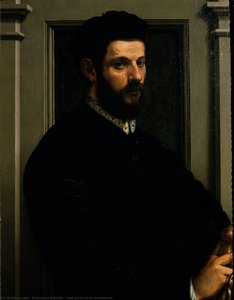
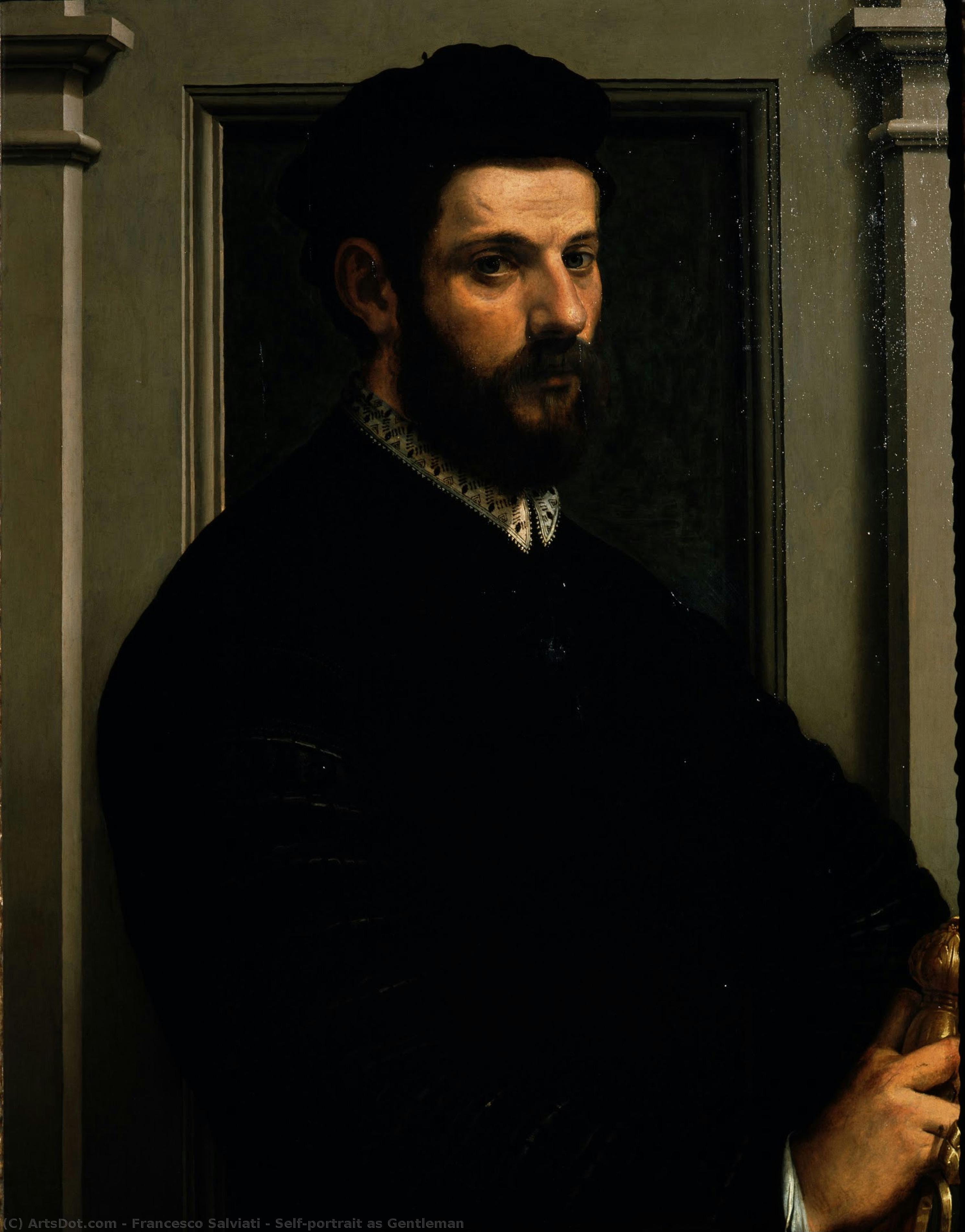
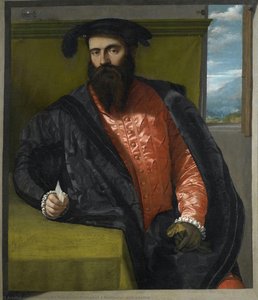
Self-portrait as Gentleman


 Read More
Hand Made Oil Reproduction
Hand-painted oil on canvas in your size and frame, made to order by our artists. ( Buy Print Buy Image)




































Pick from our preset sizes that match the artwork's original proportions.

You may enter your own dimensions to fit a specific frame or space. If your selected size does not match the original image's proportions, we will either crop the artwork or extend the painting with additional hand-painted elements. A digital mockup will be sent for your approval before production begins.
Please note that the on-screen preview does not reflect the actual cropping or extension. Only the mockup will accurately show the final composition.
While custom sizes are available, we recommend selecting a dimension from the predefined list to preserve the original proportions.
After order, ArtsDot.com team will email client for instructions and provide a mockup preview
Worldwide Delivery () in 3/4 weeks instead of standard 5 weeks. (17 August). No compromise on quality.

Free Worldwide Express Shipping

High-Quality Linen Canvas

Full Shipping Insurance

Customs Tax Refund Guarantee

True Color Matching Guarantee

60-Day Return Policy (Defects Only)

100% Money-Back Guarantee

Bulk Discount Offer
 Glass option is only available in size under 110 CM

Self-portrait as Gentleman
Reproduction Medium
Reproduction Size
-


Total Price
$ 263
Artwork Description
Related Artworks
Artist Biography
Francesco Salviati: Weaver of Dreams and Shadows in Renaissance Florence
Born in the heart of Florence around 1510, Francesco de’ Rossi – later known as Francesco Salviati or, more simply, Il Salviati – emerged from a milieu steeped in artistic tradition. His early apprenticeship under masters like Giuliano Bugiardini, Baccio Bandinelli, and crucially, Andrea del Sarto, laid the foundation for a career that would ultimately define him as one of the most significant Mannerist painters of his era. Salviati’s life wasn't marked by grand courtly patronage initially; instead, he honed his skills in the bustling workshops of Florence, absorbing the techniques and stylistic nuances of the time before venturing into the wider artistic landscape.
His journey truly began with a move to Rome in 1531. This relocation proved pivotal, placing him within the orbit of Cardinal Giovanni Salviati, whose family palazzo became his primary commission. It was here that he adopted the surname “Salviati,” forever linking his artistic identity to this influential household. This early association with the Salviati family shaped much of his subsequent work – a blend of intricate detail, dramatic composition, and an almost theatrical quality—a hallmark of his distinctive style. The frescoes he created for the Palazzo Salviati, particularly the celebrated Visitation scene in the Oratory of San Giovanni Decollato, established him as a rising star within the Roman art world.
The Flourishing of Mannerism
Salviati’s artistic development is inextricably linked to the rise and spread of Mannerism. Rejecting the idealized forms and balanced compositions of the High Renaissance, Mannerist painters embraced distortion, exaggeration, and a heightened sense of drama. Salviati perfectly embodies these characteristics. His figures are often elongated, contorted into dynamic poses, and rendered with an almost unsettling intensity. He wasn’t simply depicting reality; he was exploring psychological states, emotions, and the very boundaries of perception.
His style evolved over time, influenced by a diverse range of artists. The early influence of Andrea del Sarto is evident in his meticulous attention to detail and mastery of oil painting techniques. However, as he matured, Salviati absorbed elements from other Mannerist masters like Giulio Romano – particularly the crowded scenes and theatrical lighting—and Parmigianino, incorporating a sense of elegance and refinement into his compositions. This synthesis created a uniquely personal style that combined technical skill with expressive power.
Major Works and Commissions
Salviati’s career was punctuated by a series of significant commissions that showcased his versatility and artistic ambition. The frescoes in the Palazzo Salviati, as mentioned earlier, remain among his most celebrated achievements. He also contributed to the decoration of San Francesco a Ripa with an Annunciation, demonstrating his ability to execute complex narratives within a limited space. His work for the Oratory of San Giovanni Decollato – particularly the Visitation—is a testament to his mastery of color and composition.
Perhaps his most ambitious undertaking was the grand fresco cycle in the Sala dell’Udienza (Audience Hall) of the Palazzo Vecchio in Florence, commissioned by Cosimo I de' Medici. This monumental work, depicting the Triumph of Camillus, is a dazzling display of Mannerist exuberance and a powerful statement of Medici power and prestige. Furthermore, he designed elaborate tapestry cartoons for the Medici’s Arazzeria, including iconic images like “Ecce Homo” (Behold! Man!) and “The Resurrection,” showcasing his skill in both painting and design.
A Venetian Interlude and a Return to Rome
Salviati's artistic journey wasn't confined solely to Florence and Rome. In 1540, he traveled to Bologna, where he collaborated with Giorgio Vasari on frescoes for the Palazzo Bonvicini. He also spent a brief period in Venice, contributing to the opulent decorations of the Palazzo Grimani di Santa Maria Formosa, adopting an antique style that reflected Venetian artistic sensibilities. This experience broadened his stylistic horizons and exposed him to new influences.
Returning to Florence in 1543, Salviati continued to work for the Medici court, culminating in the monumental Triumph of Camillus fresco. He spent his final years in Rome, where he died in 1563. His legacy is one of innovation, technical brilliance, and a profound understanding of the human condition—a testament to the enduring power of Mannerist art.
Salviati’s Enduring Significance
Francesco Salviati's influence on subsequent generations of Italian painters cannot be overstated. He served as a crucial link between the High Renaissance and the Baroque, bridging the gap between idealized beauty and expressive drama. His dynamic compositions, intricate details, and psychological depth continue to captivate viewers today. His work stands as a powerful reminder of Florence’s role as a center of artistic innovation during the 16th century—a period when artists dared to challenge conventions and explore new possibilities in the realm of visual representation.
francesco salviati
1510 - 1563
Quick Facts
- Artistic Movement Or Style: Mannerism
- Artists Or Movements Influenced By This Artist:
- Vasari
- Bronzino
- Artists Who Influenced This Artist:
- Andrea del Sarto
- Giulio Romano
- Date Of Birth: 1510
- Date Of Death: 1563
- Full Name: Francesco de' Rossi / Salviati
- Nationality: Italian
- Notable Artworks:
- Visitation (San Giovanni Decollato)
- Triumph of Camillus
- Deposition Altarpiece
- Place Of Birth: Florence, Italy