 Preview
 Send
Send Share
Share
 Details

 Download
 Similars
 X-Ray
X-Ray Diaporama
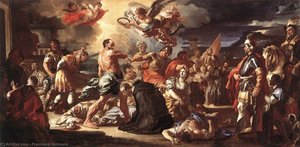
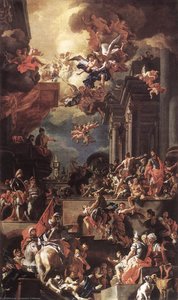
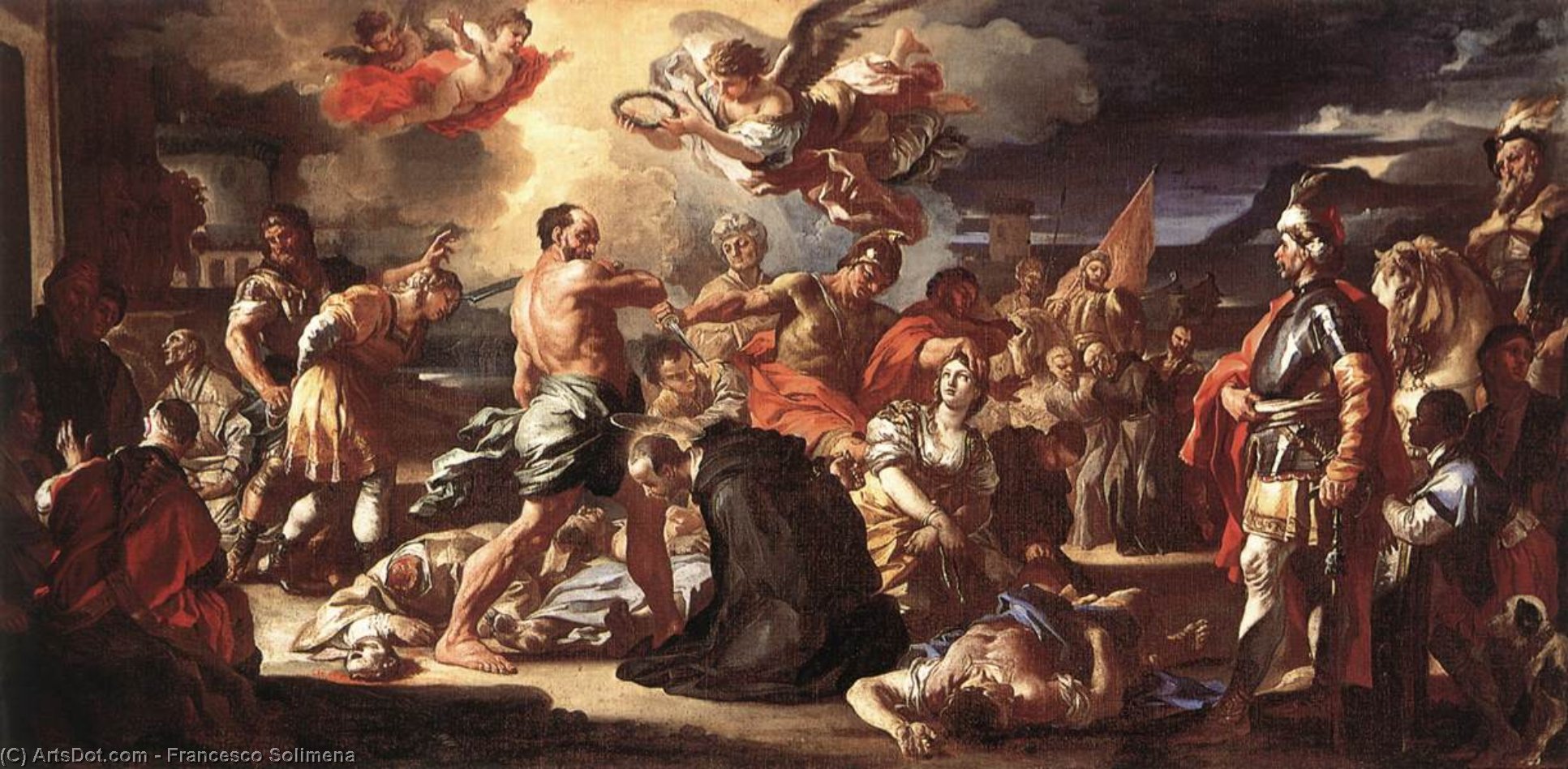
The Martyrdom of Sts Placidus and Flavia
 Oil On Canvas
- WallArt
- Baroque Grandeur
 1697
1697 75.0 x 133.0 cm
 Szépmûvészeti Múzeum
 Read More
Hand Made Oil Reproduction
Hand-painted oil on canvas in your size and frame, made to order by our artists. ( Buy Print Buy Image)




P118B $10

P118H $10

P118W $10

P438Z $10

P508JH $12

P508YH $12

P805H $10

P805Z $10

P919BZ $10

P919G $10

P919XJ $10

P959ZH $10

P968JZ $12

W106C $8

W218G $10

W218JH $8

W218Y $10

W307PJ $10

W316G $10

W316PJ $8

W316Y $10

W398PJ $8

W4111J $10

W500HY $15

W500JH $15

W692G $12

W849H $8

W940BG $15

W953PJ $8




Pick from our preset sizes that match the artwork's original proportions.

You may enter your own dimensions to fit a specific frame or space. If your selected size does not match the original image's proportions, we will either crop the artwork or extend the painting with additional hand-painted elements. A digital mockup will be sent for your approval before production begins.
Please note that the on-screen preview does not reflect the actual cropping or extension. Only the mockup will accurately show the final composition.
While custom sizes are available, we recommend selecting a dimension from the predefined list to preserve the original proportions.
After order, ArtsDot.com team will email client for instructions and provide a mockup preview
Worldwide Delivery () in 3/4 weeks instead of standard 5 weeks. (1 September). No compromise on quality.

Free Worldwide Express Shipping

High-Quality Linen Canvas

Full Shipping Insurance

Customs Tax Refund Guarantee

True Color Matching Guarantee

60-Day Return Policy (Defects Only)

100% Money-Back Guarantee

Bulk Discount Offer
 Glass option is only available in size under 110 CM

The Martyrdom of Sts Placidus and Flavia
Reproduction Medium
Reproduction Size
-


Total Price
$ 263
A Testament to Faith: Francesco Solimena’s “The Martyrdom of Sts Placidus and Flavia”
Francesco Solimena's "The Martyrdom of Sts Placidus and Flavia," completed in 1697, stands as a monumental achievement of Neapolitan Baroque art—a canvas brimming with dramatic fervor and imbued with profound religious symbolism. Painted during the height of papal patronage under Cardinal Vincenzo Orsini, this colossal oil on canvas transcends mere visual representation; it’s an immersive experience designed to evoke contemplation and reaffirm faith amidst turbulent times.The Scene Unfolds: Narrative Detail
The painting depicts a harrowing tableau – the brutal martyrdom of Saints Placidus and Flavia, martyrs for their unwavering devotion to Christianity. The composition is deliberately unsettling, prioritizing emotional impact over strict realism. A man lies prone on the ground, subjected to violent blows—a figure rendered with meticulous anatomical precision characteristic of Solimena’s style. Beside him kneels another supplicant, his posture conveying palpable anguish and vulnerability. Further back, a group of onlookers observes the unfolding drama, their expressions ranging from horror to compassion. Two horses dominate the upper portion of the canvas, symbolizing strength and nobility amidst suffering—a deliberate choice reflecting the artistic conventions of the era. Notably, a book rests on the right side of the scene, representing scripture and serving as a visual anchor for the narrative’s spiritual core. The artist skillfully employs chiaroscuro – dramatic contrasts between light and dark – to heighten the emotional intensity and guide the viewer's gaze across the expansive canvas.Baroque Grandeur: Technique and Style
Solimena’s mastery of Baroque technique is evident in every brushstroke. He utilizes impasto—thickly applied paint—to sculpt textures onto the surface, creating a palpable sense of physicality and conveying the visceral horror of the martyrdom. The artist's meticulous attention to detail extends beyond anatomical accuracy; he painstakingly renders drapery folds, facial expressions, and even individual hairs, demonstrating an unparalleled dedication to realism within the stylistic framework of Baroque grandeur. Solimena’s style is characterized by dynamism and theatricality—elements that underscore the painting’s dramatic narrative and elevate it beyond a simple depiction of religious piety.Historical Context: Papal Patronage and Spiritual Anxiety
“The Martyrdom of Sts Placidus and Flavia” emerged during a period marked by significant spiritual anxieties within Europe – specifically, following the Thirty Years' War and amidst growing concerns about heresy and papal authority. Cardinal Orsini’s patronage reflects this climate, commissioning monumental artworks intended to inspire piety and reaffirm Catholic faith. The painting served as a powerful visual testament to the saints’ unwavering courage in the face of persecution—a message designed to resonate deeply with audiences grappling with existential questions.Symbolism: Light, Darkness, and Divine Justice
The pervasive use of chiaroscuro is laden with symbolic significance. Light illuminates the central figure, representing divine grace and highlighting his suffering as an act of devotion. Conversely, darkness envelops the surrounding figures, symbolizing doubt, fear, and earthly wickedness—a deliberate juxtaposition that underscores the triumph of faith over adversity. The horses embody nobility and resilience, mirroring the saints’ steadfast spirit amidst torment. Ultimately, “The Martyrdom of Sts Placidus and Flavia” speaks to the enduring human desire for solace and reassurance in times of crisis – a timeless masterpiece capturing the essence of Baroque spirituality.Related Artworks




Artist Biography
A Neapolitan Master of Baroque Grandeur
Francesco Solimena, born in the small Italian town of Canale di Serino near Avellino in 1657, emerged as one of the most significant figures in Neapolitan painting during the late Baroque period. His artistic journey began within a family already steeped in artistic tradition; his father, Angelo Solimena, served as his initial instructor, collaborating with him on early projects like the Paradise fresco for the cathedral of Nocera. This foundational experience instilled in young Francesco a deep appreciation for technique and composition. He further refined his skills under the tutelage of Francesco di Maria and Giacomo del Po, absorbing diverse influences that would ultimately shape his distinctive style. The patronage of Cardinal Vincenzo Orsini proved pivotal, providing encouragement and opportunities that allowed Solimena to establish himself as an independent artist by the 1680s, undertaking increasingly ambitious fresco commissions.Forging a Style: Echoes of Rome in Neapolitan Splendor
Solimena’s artistic voice is immediately recognizable through its warm, brownish shadowing and dramatic use of light – qualities deeply indebted to the Roman Baroque masters Luca Giordano and Giovanni Lanfranco. However, he didn't merely imitate; instead, he synthesized these influences into a uniquely Neapolitan aesthetic. The hallmarks of his work include dynamic compositions brimming with emotional intensity, reflecting the Baroque period’s penchant for grandeur and theatricality. He possessed an exceptional ability to capture movement and drama within his scenes, drawing viewers into narratives both sacred and mythological. From the 1690s onward, Solimena's studio became a dominant force in Naples, shaping the artistic landscape of the city for decades. His workshop was remarkably productive, churning out altarpieces, frescoes, and canvases that adorned churches and palaces throughout the region. A key characteristic of his compositional approach involved suggesting settings with minimal detail, strategically directing attention towards the figures themselves and their elaborately rendered draperies – often illuminated by carefully placed light sources to heighten their impact.A Prolific Output: Frescoes, Altarpieces, and Mythological Visions
Francesco Solimena was an extraordinarily prolific artist, leaving behind a vast body of work encompassing a wide range of subjects and formats. He excelled in large-scale fresco cycles, transforming the interiors of Neapolitan churches and palaces into vibrant displays of religious fervor and aristocratic splendor. His altarpieces are particularly noteworthy for their ability to convey complex theological narratives with both emotional depth and technical brilliance. Beyond his religious works, Solimena also demonstrated a mastery of mythological scenes, imbuing classical tales with dramatic energy and sensuous beauty. Among his most celebrated pieces is the *Allegory of Rule*, currently housed in the State Hermitage Museum in St. Petersburg – a testament to his skill in allegorical representation and sophisticated composition. His depictions of weddings and courtly events further showcase his versatility, capturing the elegance and opulence of Neapolitan society. Works like “St John the Baptist” and “The Assumption and Coronation of the Virgin” exemplify his mastery of chiaroscuro and dynamic compositions.Legacy and Influence: A School of Neapolitan Painting
Solimena’s impact extended far beyond his own artistic creations. His large, well-organized atelier functioned as a veritable academy, playing a crucial role in the cultural life of Naples. He trained numerous pupils who went on to become prominent artists in their own right, solidifying his position as a central figure in 18th-century Italian art. Notable among his students were Francesco de Mura, Giuseppe Bonito, Pietro Capelli, and Corrado Giaquinto – each contributing significantly to the evolution of Neapolitan painting. Solimena’s success wasn't limited to artistic recognition; he achieved considerable financial prosperity during his lifetime, being bestowed with the title of baron and living a life commensurate with his fame. He passed away in 1747 at Barra, near Naples, leaving behind an enduring legacy that continues to be celebrated through exhibitions, scholarly studies, and reproductions available today. He stands as one of the most important figures in Neapolitan Baroque painting, successfully synthesizing Roman influences with local traditions to create a distinctive style that defined artistic production in Naples for generations. His works remain admired for their dramatic flair, technical mastery, and enduring beauty – a testament to his genius and lasting contribution to art history.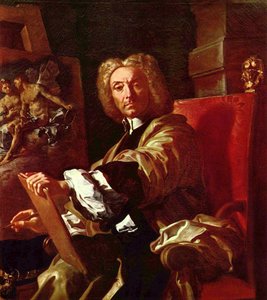
Francesco Solimena
1657 - 1747 , Italy
Quick Facts
- Artistic Movement Or Style: Baroque
- Artists Or Movements Influenced By This Artist:
- Francesco de Mura
- Giuseppe Bonito
- Artists Who Influenced This Artist:
- Luca Giordano
- Giovanni Lanfranco
- Date Of Birth: October 4, 1657
- Date Of Death: 1747
- Full Name: Francesco Solimena
- Nationality: Italian
- Notable Artworks:
- Allegory of Rule
- Frescoes in Naples
- St John the Baptist
- Assumption & Coronation
- Place Of Birth: Canale di Serino, Italy
Related Articles

Giclée Prints: Archival Quality & Aesthetic Nuances for the Discerning Collector
Explore the world of giclée prints with ArtsDot. Learn about archival quality, aesthetic nuances & investment potential. Expert guidance for discerning art collectors seeking museum-quality reproductions and lasting value.

Baroque Drama: Bringing Opulence & Emotion into Contemporary Interiors
Explore the opulent world of Baroque interior design! Discover key elements, modern applications & how to bring dramatic elegance into your home with 's authentic reproductions.

The Enduring Legacy of Fine Art Prints: Technique, History & Aesthetic Impact
Explore the rich history & techniques of fine art prints. Discover investment potential, assess authenticity, and learn how to preserve your collection with expert guidance. Trusted insights for discerning collectors.

Baroque Masterpieces: 10 Paintings That Defined an Era |
Journey through the drama & grandeur of Baroque art! Explore 10 masterpieces by Caravaggio, Rembrandt, Rubens & more. Discover stunning oil paintings, rich colors & timeless stories. Find museum-quality reproductions at .

The Visceral Stage: Exploring Dramatic Narratives & Emotional Intensity in Baroque Art
Explore the dramatic world of Baroque art! Discover iconic masters like Caravaggio & Rembrandt, their techniques, and the movement's lasting impact. Expert insights for collectors & enthusiasts at ArtsDot.