

 Preview
 Send
Send Share
Share
 Details

 Download
 Similars
 X-Ray
X-Ray Diaporama
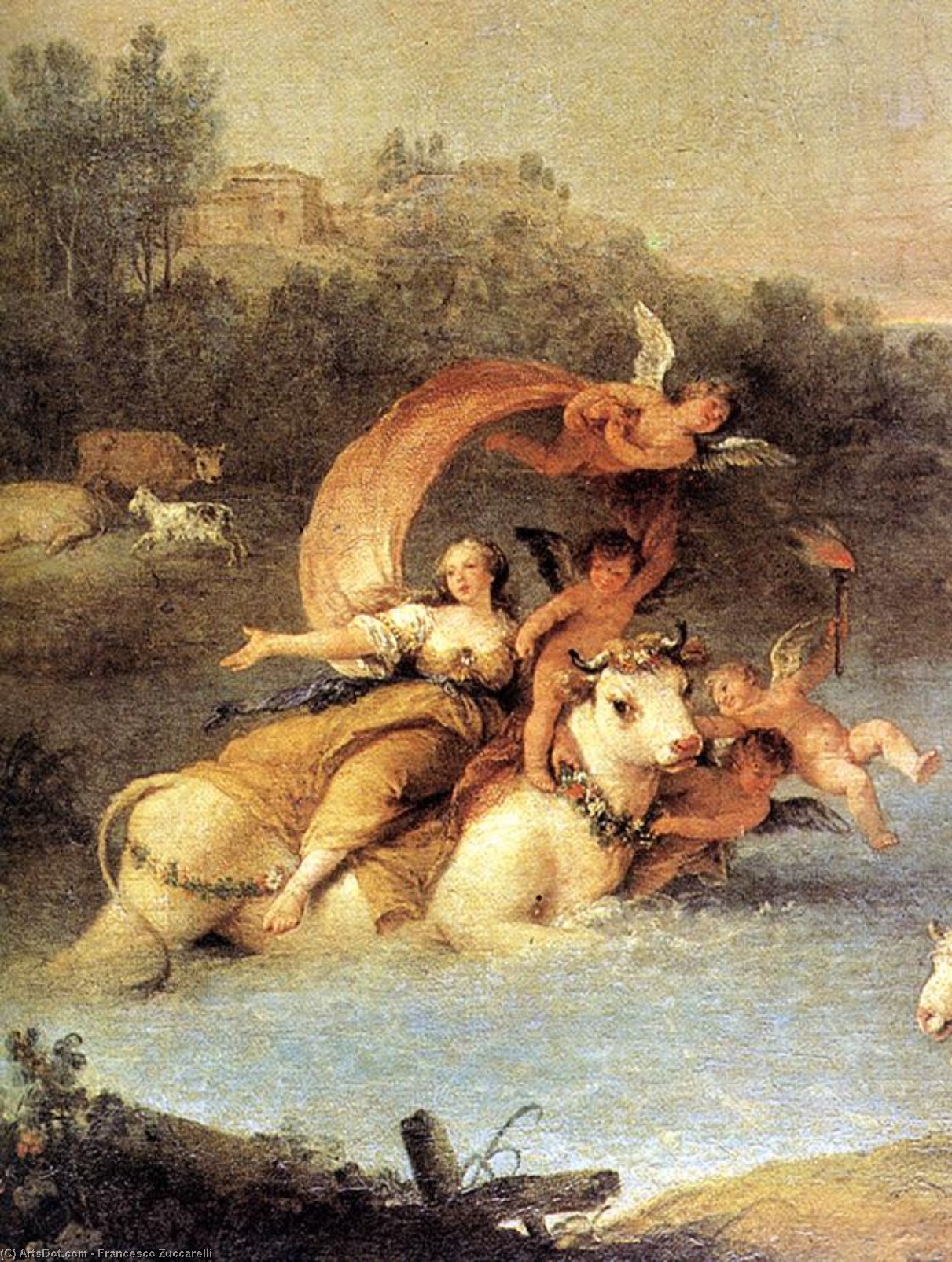
The Rape of Europa (detail)


 Read More
Purchase a high-resolution, enhanced digital image, far superior to the online preview.
Each file is meticulously prepared by our in-house specialists using advanced tools and expert manual retouching. We ensure every image has exceptional clarity, precise color accuracy, and fine detail.
The final file is delivered via email within 72 hours, optimized for immediate use in professional, editorial, and print environments. This is the same quality trusted by top-tier design studios, publishers, and galleries.
Digital Image
Download a high-resolution file for personal display, printing, and creative projects. ( Buy Print Buy Hand Made Painting)
Included in Every Digital Image Order
Expert Digital Delivery, Guaranteed
When you choose ArtsDot.com, you're not just getting an image - you're receiving a professionally enhanced digital artwork, crafted with precision and backed by a satisfaction guarantee. Here's everything that comes with your order, automatically:

Fast Email Delivery
Your high-resolution digital image file will be emailed to you within 72 hours of ordering - ready for immediate use.

AI-Enhanced Digital File
Your artwork is professionally optimized using advanced AI tools and manual editing, ensuring maximum detail, clarity, and color accuracy.

Free Lifetime Re-Delivery
Accidentally deleted or lost your file? No worries - we'll resend it to you anytime, free of charge.

No Import Fees - Ever
Enjoy your artwork instantly with zero customs, duties, or delivery fees - digital downloads are always tax-free.

Color Accuracy Guarantee
We ensure your digital image reflects the original colors as closely as possible using professional tools and color management.

60-Day Satisfaction Guarantee
If you're not satisfied with your digital image, we'll revise it or refund 100% within 60 days - no questions asked.

100% Money-Back Guarantee
Not satisfied? Get a full refund within 60 days of receiving your digital file - no questions asked.

Bulk Order Discounts
Buy 3 images, save 10% - Buy 5, save 15% - Buy 10+, save 20%. Great for creative projects, galleries, and agencies.
Collectible Description
Francesco Zuccarelli’s Vision of Myth and Landscape
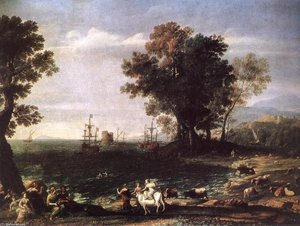
Francesco Zuccarelli stands as a singular figure in the landscape painting tradition of Venice during the mid-18th century, achieving renown not merely for his artistic skill but also for capturing the very spirit of Arcadia – that idealized vision of pastoral beauty and harmony championed by artists like Claude Lorrain and Nicolas Poussin. “The Rape of Europa,” a captivating detail from one of Zuccarelli’s most celebrated canvases, exemplifies this aesthetic perfectly, presenting a dramatic tableau interwoven with elements of classical mythology and meticulously rendered naturalism.
Early Training and Influences: Roman Echoes
Born in Pitigliano, Tuscany, in 1702, Zuccarelli began his artistic journey under the tutelage of Giovanni Maria Morandi and Pietro Nelli in Rome. These formative years instilled within him a profound appreciation for classical sculpture and painting—particularly the works of Andrea del Sarto and Michelangelo Buonarroti—influences that would permeate throughout his oeuvre. His engravings of frescoes from Giovanni da San Giovanni and Andrea del Sarto showcased an exceptional attention to detail, demonstrating a mastery of technique honed by immersion in the artistic heritage of Rome.
The Art of Arcadian Landscape
Zuccarelli’s distinctive style is characterized by its serene grandeur. He eschewed the turbulent dynamism favored by some contemporaries, opting instead for compositions that convey tranquility and contemplation. His landscapes are populated with idealized figures—often shepherds or nymphs—engaged in peaceful activities amidst lush vegetation and crystalline waters. The artist skillfully employed atmospheric perspective to create depth and luminosity, capturing the subtle nuances of light and shadow with remarkable precision. This technique—a cornerstone of Venetian landscape painting—was meticulously executed in “The Rape of Europa,” enhancing the scene’s ethereal quality.
A Mythological Narrative Illuminated by Nature
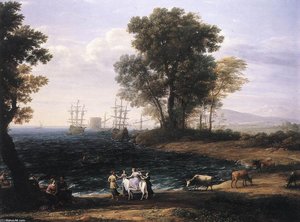
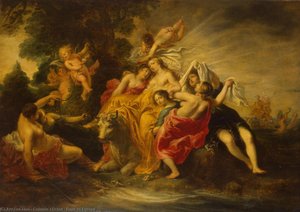
“The Rape of Europa” depicts Zeus transforming into a bull to lure Europa, a Phoenician princess, onto his back and carry her across the sea towards Crete. The painting's setting—a tranquil shoreline dotted with horses, cows, and goats—serves as a counterpoint to the dramatic action unfolding above. Zuccarelli’s meticulous depiction of animal anatomy and behavior underscores the importance of observation in artistic practice. Furthermore, the inclusion of mythological figures elevates the scene beyond mere representation, inviting viewers to contemplate themes of desire, power, and transformation.
Symbolism and Emotional Resonance
The idyllic landscape surrounding Europa embodies the Arcadian ideal—a refuge from urban corruption and a celebration of natural beauty. The bull symbolizes Zeus’s dominance and irresistible force, while Europa represents innocence and vulnerability. Zuccarelli's masterful brushwork conveys an emotional depth that transcends mere visual spectacle. The painting evokes feelings of wonder, serenity, and perhaps even melancholy, prompting reflection on the timeless narratives of mythology and the enduring fascination with the sublime.
Related Artworks
Artist Biography
Francesco Zuccarelli: A Life in Landscape
- Born: Pitigliano, Italy (1702)
- Died: 1788
- Movement: Late Baroque / Rococo
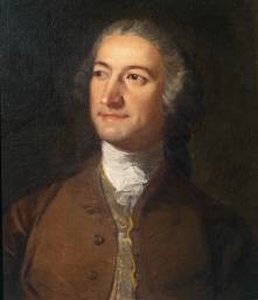
Giacomo Francesco Zuccarelli, known primarily as Francesco Zuccarelli, was a pivotal Italian artist renowned for his idyllic landscapes and Arcadian scenes. Born in Pitigliano, Tuscany, in 1702, he emerged as the most significant landscape painter from Venice during the mid-18th century. His work resonated deeply across Europe, particularly in England, where he spent considerable periods under royal patronage.
Early Training and Roman Influences
- Apprenticeship: Zuccarelli began his artistic journey as an apprentice to Giovanni Maria Morandi and Pietro Nelli in Rome, focusing initially on portraiture.
- Engravings & Frescoes: From 1728-1731, he dedicated himself largely to engraving the deteriorating frescoes of Giovanni da San Giovanni and Andrea del Sarto, demonstrating a keen eye for detail and classical influences.
- Paolo Anesi's Guidance: Luigi Lanzi noted that Paolo Anesi was instrumental in guiding Zuccarelli towards landscape painting, shaping his artistic direction.
His early works reveal the influence of Roman classicism and a developing interest in capturing the beauty of the Italian countryside.
Venetian Period and Rise to Prominence
- Arrival in Venice: Around 1732, Zuccarelli relocated to Venice, capitalizing on an opening in landscape painting.
- Distinctive Style: He developed a distinctive style characterized by a mellow palette, airy compositions, and figures brought to life with luminous tonal values—a departure from the typical Venetian colors of his predecessors.
- Patronage & Collaborations: Zuccarelli quickly gained patronage from influential figures like Marshal Schulenburg, Joseph Smith (British Consul), and Francesco Algarotti. He frequently collaborated with artists such as Antonio Visentini and Bernardo Bellotto. Notable collaborations include the creation of neo-Palladian architecture series and a set of Old Testament playing cards featuring hand-colored scenes.
- Royal Academy Membership: In 1768, he became a founding member of the Royal Academy of Arts in London, solidifying his reputation on an international stage.
This period marked Zuccarelli's ascent to fame, with his landscapes captivating audiences across Europe and establishing him as a leading figure in the Rococo movement.
Later Years, Decline & Renewed Appreciation
- Critical Reception: Despite initial acclaim, Zuccarelli’s reputation waned in the early 19th century as naturalism gained prominence. Critics like Turner offered tempered praise, acknowledging his figures' beauty while questioning his overall style.
- Michael Levey's Analysis: Art historian Michael Levey later attributed Zuccarelli's widespread appeal to the decorative nature of his work, particularly among English audiences.
- Modern Reassessment: Since the 1990s, Italian scholars have spearheaded a renewed appreciation for Zuccarelli’s contributions, highlighting his significance in landscape painting and showcasing his works in numerous exhibitions.
Today, Francesco Zuccarelli is recognized as a master of the Rococo period, celebrated for his idyllic landscapes that evoke a sense of tranquility and classical beauty. His legacy continues to inspire artists and captivate audiences worldwide.
Francesco Zuccarelli
1702 - 1788 , Italy
Quick Facts
- Artistic Movement Or Style: Rococo, Baroque
- Artists Who Influenced This Artist:
- Paolo Anesi
- Claude Lorrain
- Andrea del Sarto
- Date Of Birth: August 15, 1702
- Date Of Death: December 30, 1788
- Full Name: Giacomo Francesco Zuccarelli
- Nationality: Italian
- Notable Artworks:
- Capriccio with San Giorgio Maggiore
- Classical Landscape
- Landscape with Girls at the River
- Bacchanal
- Place Of Birth (City And Country): Pitigliano, Italy

