 Preview
 Send
Send Share
Share
 Details

 Download
 Similars
 X-Ray
X-Ray Diaporama
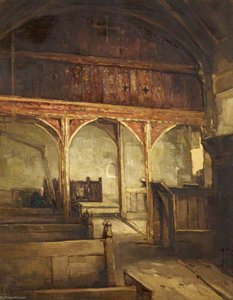
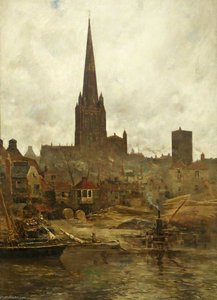
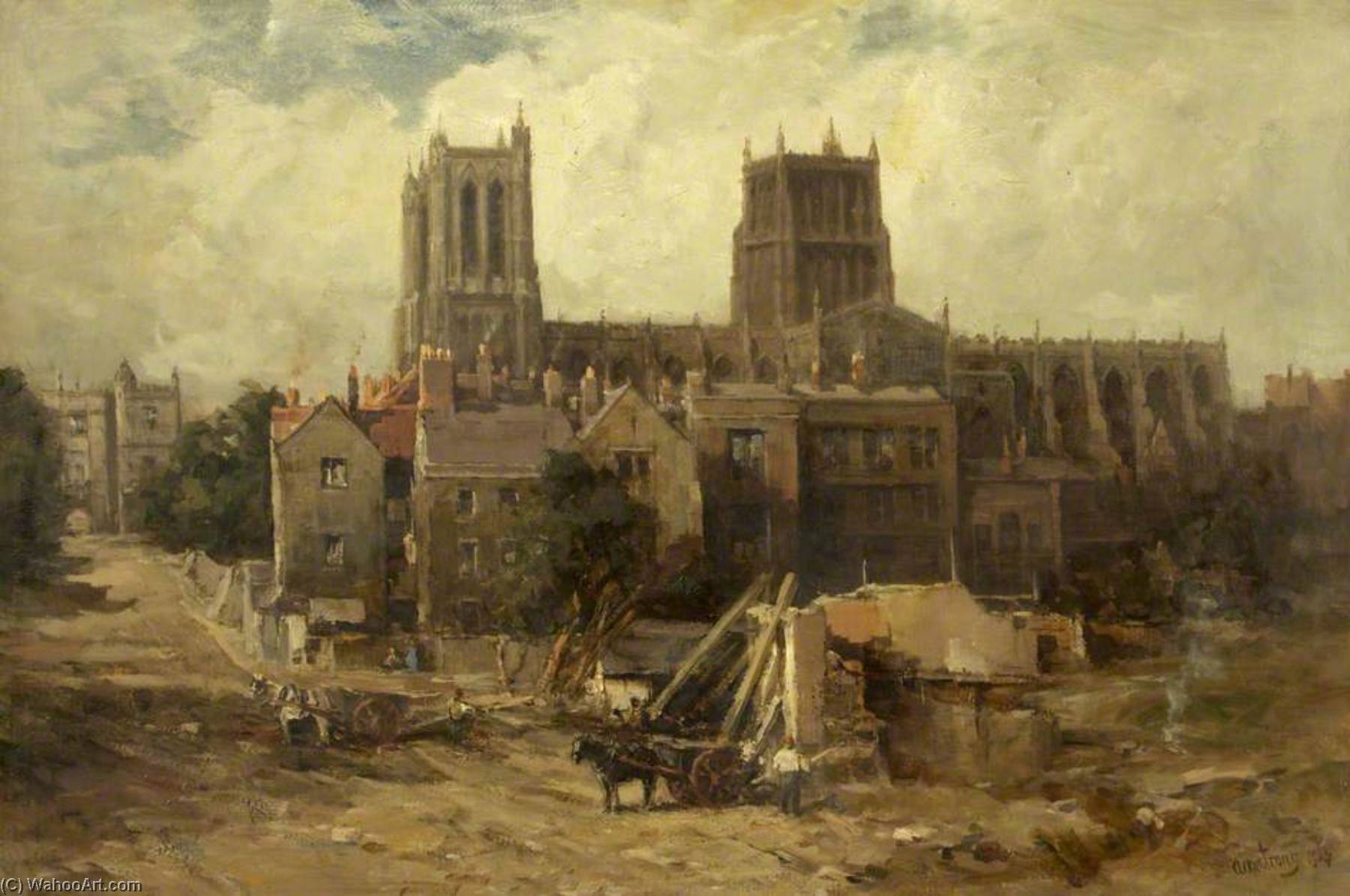
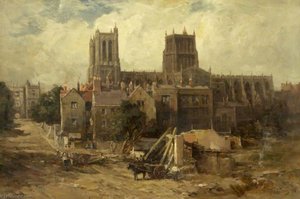
Bristol Cathedral
 1904
1904 75.0 x 113.0 cm
 Bristol Museum - Art Gallery
 Read More
Hand Made Oil Reproduction
Hand-painted oil on canvas in your size and frame, made to order by our artists. ( Buy Print Buy Image)




































Pick from our preset sizes that match the artwork's original proportions.

You may enter your own dimensions to fit a specific frame or space. If your selected size does not match the original image's proportions, we will either crop the artwork or extend the painting with additional hand-painted elements. A digital mockup will be sent for your approval before production begins.
Please note that the on-screen preview does not reflect the actual cropping or extension. Only the mockup will accurately show the final composition.
While custom sizes are available, we recommend selecting a dimension from the predefined list to preserve the original proportions.
After order, ArtsDot.com team will email client for instructions and provide a mockup preview
Worldwide Delivery () in 3/4 weeks instead of standard 5 weeks. (17 August). No compromise on quality.

Free Worldwide Express Shipping

High-Quality Linen Canvas

Full Shipping Insurance

Customs Tax Refund Guarantee

True Color Matching Guarantee

60-Day Return Policy (Defects Only)

100% Money-Back Guarantee

Bulk Discount Offer
 Glass option is only available in size under 110 CM

Bristol Cathedral
Reproduction Medium
Reproduction Size
-


Total Price
$ 263
Artwork Description
A Glimpse into the Past
The painting depicts a city scene with a horse-drawn carriage traveling down the street in front of the majestic Bristol Cathedral. The atmosphere is serene, with several horses visible in the image, including one pulling the carriage and others standing nearby. A person walking on the left side of the street adds to the sense of daily life in a bygone era. Key Features of the painting include:- The stunning architecture of the Bristol Cathedral, showcasing its intricate details and grandeur
- The horse-drawn carriage, a reminder of transportation methods from a different era
- The overall historical setting, which transports viewers to a bygone age
Artist and Style
Francis Abel William Taylor Armstrong's work is characterized by his attention to detail and ability to capture the essence of a scene. His use of oil on canvas brings depth and richness to the painting, making it a truly captivating piece. For more information on Francis Abel William Taylor Armstrong and his works, visit /art/list/?Filter=AQV8KX-Francis-Abel-William-Taylor-Armstrong-Bristol-Cathedral.To explore more artworks like Bristol Cathedral, visit the https://ArtsDot.com collection, which features a wide range of hand-made oil painting reproductions. Discover the beauty of art from renowned artists and museums, including the Reading Public Museum, at /art/list/?Filter=A@D3BM2D-The-Reading-Public-Museum-(United-States)-A-Hidden-Gem-of-American-Art.
Related Artworks

Artist Biography
Francis Abel William Taylor Armstrong (1849 – 1920): Painter of English Landscapes
Francis Abel William Taylor Armstrong (1849 – 1920) emerged as a prominent figure in British landscape painting during the Victorian era, leaving behind a legacy of evocative depictions that continue to resonate with collectors and art historians alike. Born in Bristol, England, Armstrong’s artistic journey was shaped by both familial connections to the arts and a burgeoning fascination with capturing the beauty of the natural world.
- Early Life & Education: Armstrong's father, William Taylor Armstrong Sr., was a solicitor and instilled in his son a love for meticulous observation and intellectual curiosity. Despite limited formal artistic training initially, Francis demonstrated exceptional talent from a young age, honing his skills through self-study and experimentation.
- Move to London & Artistic Development: By the late 1870s, Armstrong relocated to London, immersing himself in the vibrant artistic milieu of the city. He began exhibiting his work regularly at the Royal Academy and Slade School of Fine Art, attracting critical acclaim for his masterful handling of light and color.
- Style & Technique: Armstrong’s distinctive style characterized by atmospheric perspective and a sensitivity to tonal variations—became firmly established during this period. He favored oil paints on canvas, employing layering techniques to achieve remarkable realism while conveying the mood and character of his subjects. His landscapes often incorporated elements of Romanticism, reflecting the influence of artists like Turner and Constable.
- Notable Works: Among Armstrong’s most celebrated paintings are “The River Avon at Bradford Abbas” (1883), a stunning portrayal of Dorset’s Avon Valley bathed in golden sunlight; "Cornfield Near Stoke Newington" (1886), which captures the tranquility and grandeur of rural England; and “Dartmoor Moorland” (1902), demonstrating his ability to convey the rugged beauty and dramatic weather conditions of Dartmoor.
- Legacy & Influence: Armstrong’s contribution to British landscape painting is undeniable. His meticulous observation, masterful technique, and unwavering dedication to portraying the English countryside established him as a cornerstone of Victorian art. He served as an inspiring teacher at Slade School of Fine Art, nurturing generations of aspiring artists who embraced his approach to capturing the essence of nature.
Armstrong’s paintings continue to captivate audiences today with their luminous colors and profound sense of place—testaments to his enduring artistic vision and a celebration of England's breathtaking landscapes.
francis abel william taylor armstrong
1849 - 1920
Quick Facts
- Artistic Movement Or Style: Romanticism
- Artists Or Movements Influenced By This Artist: ['Hudson Lowe']
- Artists Who Influenced This Artist:
- John Constable
- George Frederic Handel
- Date Of Birth: 1849
- Date Of Death: 1920
- Full Name: Francis Abel William Taylor Armstrong
- Nationality: British
- Notable Artworks:
- The Old Mill
- Redcliffe Gorge
- Place Of Birth: Bristol, England