 Preview
 Send
Send Share
Share
 Details

 Download
 Similars
 X-Ray
X-Ray Diaporama
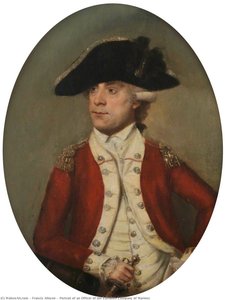
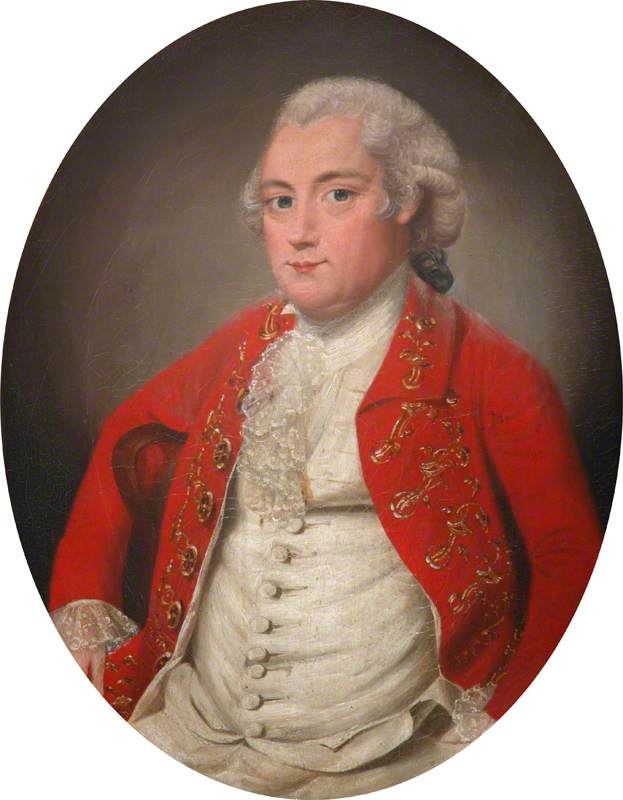
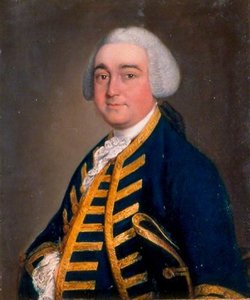
Captain Thomas Conway
 38.0 x 29.0 cm
 National Trust
 Read More
Hand Made Oil Reproduction
Hand-painted oil on canvas in your size and frame, made to order by our artists. ( Buy Print Buy Image)




































Pick from our preset sizes that match the artwork's original proportions.

You may enter your own dimensions to fit a specific frame or space. If your selected size does not match the original image's proportions, we will either crop the artwork or extend the painting with additional hand-painted elements. A digital mockup will be sent for your approval before production begins.
Please note that the on-screen preview does not reflect the actual cropping or extension. Only the mockup will accurately show the final composition.
While custom sizes are available, we recommend selecting a dimension from the predefined list to preserve the original proportions.
After order, ArtsDot.com team will email client for instructions and provide a mockup preview
Worldwide Delivery () in 3/4 weeks instead of standard 5 weeks. (17 August). No compromise on quality.

Free Worldwide Express Shipping

High-Quality Linen Canvas

Full Shipping Insurance

Customs Tax Refund Guarantee

True Color Matching Guarantee

60-Day Return Policy (Defects Only)

100% Money-Back Guarantee

Bulk Discount Offer
 Glass option is only available in size under 110 CM

Captain Thomas Conway
Reproduction Medium
Reproduction Size
-


Total Price
$ 263
Related Artworks
Artist Biography
A Glimpse into the World of Francis Alayne: Portraitist of an Era
Francis Alayne, also known as Thomas Alleyne, remains a fascinating yet somewhat elusive figure in the landscape of 18th-century portraiture. Born around 1750 and passing away in 1815, his life coincided with a period of immense social and political upheaval – from the American Revolution to the Napoleonic Wars – events that subtly, or perhaps not so subtly, informed his artistic vision. While biographical details are scarce, the surviving body of his work speaks volumes about a master craftsman deeply attuned to the nuances of character and societal standing. Alayne wasn’t merely painting faces; he was documenting an era, capturing the spirit of nobility, military prowess, and the burgeoning middle class with remarkable realism and sensitivity. His paintings offer a compelling window into the lives of those who navigated this transformative period, revealing their aspirations, anxieties, and enduring legacies.Early Life and Artistic Formation
The early years of Francis Alayne’s life are shrouded in mystery. Records pertaining to his formal training are limited, but stylistic analysis suggests a strong grounding in the traditions of European portraiture, likely acquired through apprenticeship or independent study. It is believed he spent time honing his skills on the continent, possibly in Italy or France – centers of artistic innovation during the 18th century. This exposure would have instilled in him an appreciation for the techniques of masters like Reynolds, Gainsborough, and David, whose influence can be detected in his compositions and brushwork. The transition from Alleyne to Alayne may indicate a deliberate attempt to establish a more sophisticated artistic identity, aligning himself with the broader European art community. His early works demonstrate a meticulous attention to detail, particularly in rendering fabrics and textures, suggesting a dedication to technical proficiency as a foundation for his developing style.A Portraitist of Nobility and Beyond
Alayne’s career flourished through commissions from prominent families, establishing him as a sought-after portraitist among the European aristocracy. He possessed an exceptional ability to capture not only physical likeness but also the inner character of his sitters. His portraits of noble figures are characterized by their dignified composure and refined elegance, reflecting the status and wealth of those depicted. However, Alayne’s artistic scope extended beyond the confines of high society. He also painted members of the emerging middle class, military officers like Thomas Conway, and individuals from diverse backgrounds, showcasing a willingness to engage with a broader spectrum of social life. Sophia Von Schramm, one of his notable subjects, exemplifies this versatility – her portrait radiating intelligence and grace. This inclusivity suggests an artist who was both commercially astute and genuinely interested in representing the complexities of his time.Technique and Style: Realism with a Subtle Commentary
Alayne’s technique is marked by a masterful use of light and shadow, creating depth and volume that brings his subjects to life. His brushwork is typically smooth and refined, yet capable of conveying subtle textures and emotions. He employed a rich palette of colors, often favoring warm tones to create an atmosphere of intimacy and sophistication. Beyond technical skill, Alayne’s portraits are notable for their psychological insight. He had a knack for capturing the personality of his sitters – their confidence, vulnerability, or intellectual curiosity. While not overtly political in nature, his work subtly reflects the social currents of the era. The clothing, accessories, and settings depicted in his portraits offer clues about the changing values and aspirations of European society.- His attention to detail extended beyond the sitter themselves, encompassing their surroundings and possessions.
- Alayne’s use of chiaroscuro (the contrast between light and dark) adds drama and emotional depth to his compositions.
- He skillfully balanced realism with a degree of idealization, enhancing the beauty and dignity of his subjects.
Legacy and Historical Significance
Although Francis Alayne did not achieve the widespread fame of some of his contemporaries, his work remains an important testament to the artistic sensibilities of the 18th century. His portraits provide valuable insights into the lives and values of those who lived during a period of profound change. He was a skilled observer of human nature, capable of capturing both the outward appearance and inner character of his sitters. Today, Alayne’s paintings are sought after by collectors and museums alike, offering a glimpse into a world that is long gone but not forgotten. His contribution lies in his ability to blend technical mastery with psychological insight, creating portraits that are not merely representations of individuals but enduring reflections of an era – a legacy preserved through the captivating images he left behind at ArtsDot and other platforms dedicated to classical portraiture.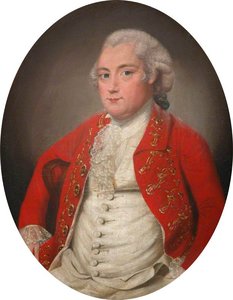
francis alleyne
1750 - 1815