

 Preview
 Send
Send Share
Share
 Details

 Download
 Similars
 X-Ray
X-Ray Diaporama
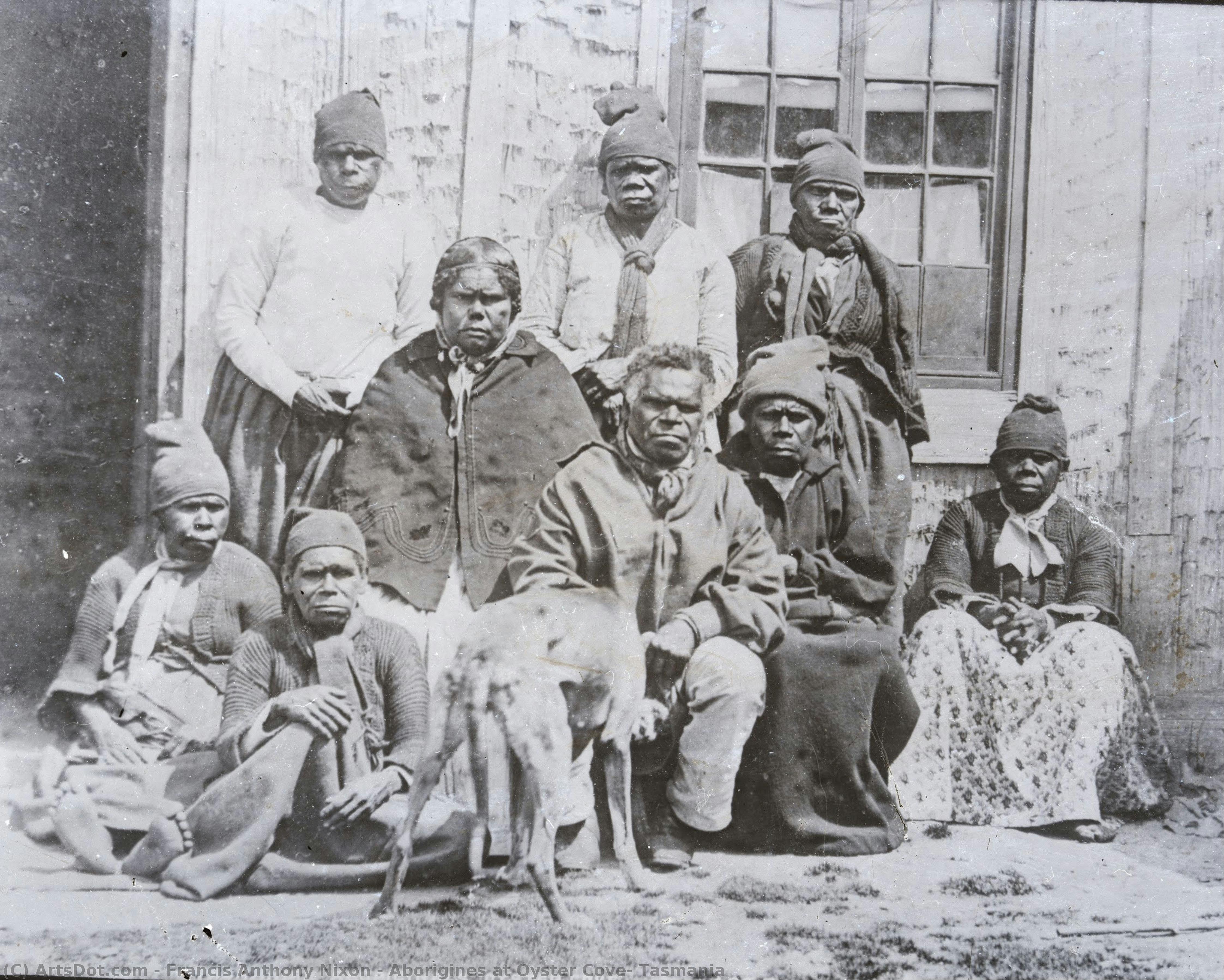
Aborigines at Oyster Cove, Tasmania
 1858
1858 8.0 x 10.0 cm
 National Portrait Gallery
 Read More
Purchase a high-resolution, enhanced digital image, far superior to the online preview.
Each file is meticulously prepared by our in-house specialists using advanced tools and expert manual retouching. We ensure every image has exceptional clarity, precise color accuracy, and fine detail.
The final file is delivered via email within 72 hours, optimized for immediate use in professional, editorial, and print environments. This is the same quality trusted by top-tier design studios, publishers, and galleries.
Digital Image
Download a high-resolution file for personal display, printing, and creative projects. ( Buy Print Buy Hand Made Painting)
Included in Every Digital Image Order
Expert Digital Delivery, Guaranteed
When you choose ArtsDot.com, you're not just getting an image - you're receiving a professionally enhanced digital artwork, crafted with precision and backed by a satisfaction guarantee. Here's everything that comes with your order, automatically:

Fast Email Delivery
Your high-resolution digital image file will be emailed to you within 72 hours of ordering - ready for immediate use.

AI-Enhanced Digital File
Your artwork is professionally optimized using advanced AI tools and manual editing, ensuring maximum detail, clarity, and color accuracy.

Free Lifetime Re-Delivery
Accidentally deleted or lost your file? No worries - we'll resend it to you anytime, free of charge.

No Import Fees - Ever
Enjoy your artwork instantly with zero customs, duties, or delivery fees - digital downloads are always tax-free.

Color Accuracy Guarantee
We ensure your digital image reflects the original colors as closely as possible using professional tools and color management.

60-Day Satisfaction Guarantee
If you're not satisfied with your digital image, we'll revise it or refund 100% within 60 days - no questions asked.

100% Money-Back Guarantee
Not satisfied? Get a full refund within 60 days of receiving your digital file - no questions asked.

Bulk Order Discounts
Buy 3 images, save 10% - Buy 5, save 15% - Buy 10+, save 20%. Great for creative projects, galleries, and agencies.
Related Artworks





Artist Biography
Beyond the Presidential Shadow: The Life and Art of Francis Anthony Nixon
Francis Anthony Nixon, a name forever linked to one of America’s most complex political figures, was far more than simply “the father of Richard Nixon.” Born December 3, 1878, in the rural landscapes of Elk Township, Ohio, his life unfolded as a testament to quiet perseverance, strong family values, and an unexpected artistic inclination. The narrative of Francis Nixon is one of humble beginnings rooted in a farming community, shaped by Quaker heritage, and marked by both hardship and unwavering dedication to providing for his loved ones. His ancestry traced back to colonial Pennsylvania Quakers, instilling within him principles of simplicity, honesty, and peace that would subtly color his approach to life. Though not formally trained as an artist, Nixon found solace and expression in painting, leaving behind a small but intriguing body of work—most notably, “Aborigines at Oyster Cove, Tasmania”—that offers a unique glimpse into the mind of a man often overshadowed by history.From Ohio Farmlands to California Dreams
The early life of Francis Nixon was deeply intertwined with the rhythms of rural Ohio. His parents, Samuel Brady Nixon and Sarah Ann Wadsworth, instilled in him a robust work ethic essential for survival on the farm. Tragedy struck when Sarah passed away in 1888, prompting a period of instability that saw young Francis living with an uncle while his father navigated grief and financial hardship. This experience likely fostered a sense of self-reliance and determination within him. He pursued various jobs over the next fourteen years, demonstrating an entrepreneurial spirit even before settling into business ownership. A pivotal moment arrived with his marriage to Hannah Milhous, which led to their conversion to Quakerism—a faith that would profoundly influence the family’s moral compass. This commitment to Quaker values – a belief in equality and peaceful resolution – shaped not only Francis' personal life but also permeated the upbringing of his five children, including the future president. The family eventually sought new opportunities on the West Coast, relocating to Whittier, California, where they hoped to build a more stable existence. There, Francis engaged in various small business ventures, from lemon farming to operating a grocery store and gas station, embodying the spirit of self-sufficiency that defined his generation.An Amateur’s Brush with History: “Aborigines at Oyster Cove, Tasmania”
While primarily known for his role as a father and businessman, Francis Nixon harbored a passion for painting. He wasn't a product of formal artistic training; rather, he was a self-taught artist who found joy in capturing the world around him through landscapes and scenes depicting people. His most recognized work, “Aborigines at Oyster Cove, Tasmania,” stands as a testament to this personal pursuit. The painting depicts Tasmanian Aboriginal people in what appears to be a historical setting, offering a window into Nixon’s interests and potential research on colonial history. Though the technical skill is that of an amateur—the composition straightforward, the rendering somewhat naive—the work possesses a certain earnestness and curiosity. It's a visual record from a unique perspective, reflecting a moment in time as seen through the eyes of an ordinary American man. The subject matter itself raises questions: what sparked Nixon’s interest in Tasmania? Was it inspired by travel, reading, or perhaps a sense of social consciousness regarding the plight of Indigenous populations? Further investigation into his personal library and correspondence might reveal more about the origins of this intriguing painting.Legacy and Influence
Francis Anthony Nixon passed away on September 4, 1956, in La Habra, California, leaving behind a legacy that extends far beyond his own life. While history remembers him primarily as the father of Richard Nixon, it’s important to recognize him as an individual who embodied the values of hard work, faith, and family—qualities deeply ingrained in the American ethos of the early 20th century. His Quaker upbringing undoubtedly influenced his son's character, fostering a sense of moral responsibility that would shape his political career, for better or worse. Beyond this familial influence, Nixon’s painting, “Aborigines at Oyster Cove, Tasmania,” serves as an artistic document—a rare glimpse into the interests and perspectives of an amateur artist during a period of significant colonial history. It's a reminder that creativity exists beyond the confines of professional art circles and that even seemingly ordinary individuals can leave behind meaningful traces of their lives and thoughts. He represents a generation of Americans who built stability through perseverance, embodying the quiet dignity of those whose contributions often remain unseen but are nonetheless essential to the fabric of society.Influences & Artistic Development
- Quaker Values: The principles of simplicity, honesty, and peace inherent in Quakerism likely shaped Nixon’s character and worldview, influencing his approach to life and potentially informing the empathetic tone present in “Aborigines at Oyster Cove, Tasmania.”
- Rural Ohio Landscape: His upbringing amidst the natural beauty of rural Ohio undoubtedly fostered an appreciation for landscapes, which likely inspired his artistic endeavors.
- Self-Directed Learning: Lacking formal training, Nixon’s artistic development was largely self-taught. He honed his skills through observation and practice, resulting in a style characterized by its directness and sincerity.
- Colonial History & Tasmania: The subject matter of his most famous painting suggests a fascination with colonial history and the experiences of Indigenous populations. Further research is needed to understand the extent of his knowledge about Tasmania and what motivated him to depict this particular scene.
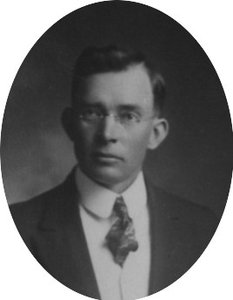
Francis Anthony Nixon
1878 - 1956 , United States of America
Quick Facts
- Artistic Movement Or Style: Representational
- Date Of Birth: December 3, 1878
- Date Of Death: September 4, 1956
- Full Name: Francis Anthony Nixon
- Nationality: American
- Notable Artworks: ['Aborigines at Oyster Cove, Tasmania']
- Place Of Birth: Ohio, USA

