

 Preview
 Send
Send Share
Share
 Details

 Download
 Similars
 X-Ray
X-Ray Diaporama
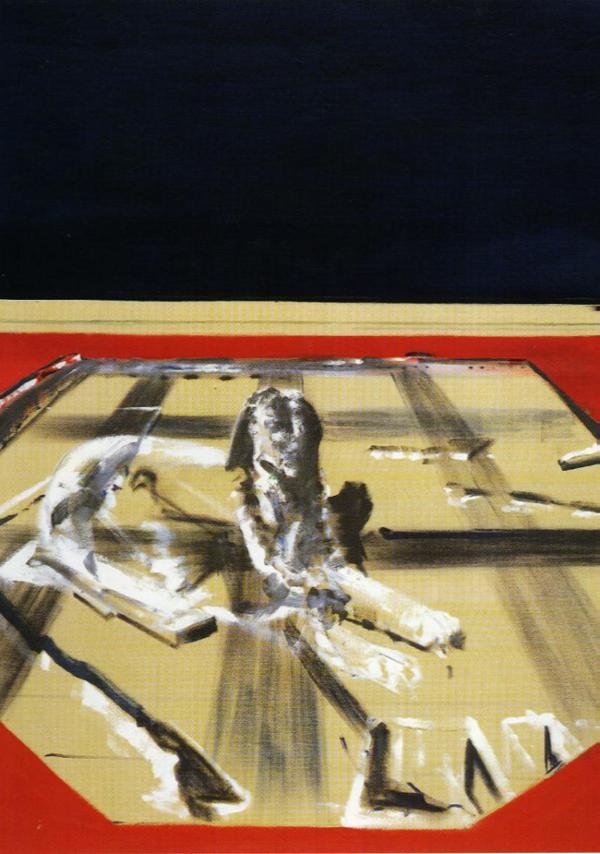
sphinx ii, 1952


 Read More
Purchase a high-resolution, enhanced digital image, far superior to the online preview.
Each file is meticulously prepared by our in-house specialists using advanced tools and expert manual retouching. We ensure every image has exceptional clarity, precise color accuracy, and fine detail.
The final file is delivered via email within 72 hours, optimized for immediate use in professional, editorial, and print environments. This is the same quality trusted by top-tier design studios, publishers, and galleries.
Digital Image
Download a high-resolution file for personal display, printing, and creative projects. ( Buy Print Buy Hand Made Painting)
Included in Every Digital Image Order
Expert Digital Delivery, Guaranteed
When you choose ArtsDot.com, you're not just getting an image - you're receiving a professionally enhanced digital artwork, crafted with precision and backed by a satisfaction guarantee. Here's everything that comes with your order, automatically:

Fast Email Delivery
Your high-resolution digital image file will be emailed to you within 72 hours of ordering - ready for immediate use.

AI-Enhanced Digital File
Your artwork is professionally optimized using advanced AI tools and manual editing, ensuring maximum detail, clarity, and color accuracy.

Free Lifetime Re-Delivery
Accidentally deleted or lost your file? No worries - we'll resend it to you anytime, free of charge.

No Import Fees - Ever
Enjoy your artwork instantly with zero customs, duties, or delivery fees - digital downloads are always tax-free.

Color Accuracy Guarantee
We ensure your digital image reflects the original colors as closely as possible using professional tools and color management.

60-Day Satisfaction Guarantee
If you're not satisfied with your digital image, we'll revise it or refund 100% within 60 days - no questions asked.

100% Money-Back Guarantee
Not satisfied? Get a full refund within 60 days of receiving your digital file - no questions asked.

Bulk Order Discounts
Buy 3 images, save 10% - Buy 5, save 15% - Buy 10+, save 20%. Great for creative projects, galleries, and agencies.
Collectible Description
The Echoes of a Fractured Era
In the shadow of a world recovering from the devastation of World War II, Francis Bacon’s Sphinx II (1952) emerges as a haunting resonance of collective trauma. This was an era defined by the creeping anxieties of the burgeoning Cold War, a time when the intellectual elite of Europe grappled with profound existential uncertainty. Within this canvas, Bacon does not merely paint a figure; he captures the very essence of a psychological landscape in descent. The work serves as a visceral testament to the human condition during a period of unprecedented tension, translating the invisible tremors of political and social instability into a tangible, harrowing visual experience that continues to unsettle and captivate the modern viewer.A Descent into Distortion
The composition of Sphinx II is an arresting study in psychological intensity, where the boundaries between the physical body and emotional state begin to blur. At its heart lies a figure seated upon the floor, rendered with a grotesque distortion that defies traditional representation. A skull-like visage dominates the upper reaches of the frame, while limbs appear contorted and fragmented, as if the very concept of physical integrity is dissolving before our eyes. This sense of disintegration is amplified by the stark, crimson background—a hue that acts as both an emotional catalyst and a visual anchor. The deep red does not merely surround the subject; it presses against it, creating a claustrophobic atmosphere that evokes feelings of fear, anguish, and profound vulnerability. Through his Expressionist lens, Bacon eschews the comfort of perspective to prioritize the raw, unadulterated truth of human emotion.The Architecture of Agony
Bacon’s technical mastery lies in his ability to make the medium itself part of the narrative. Eschewing conventional brushwork, he utilized palette knives to apply thick, sculptural layers of impasto directly onto the canvas. This deliberate rejection of smoothness results in a surface that is violently textured, mirroring the internal turmoil of the subject. The paint possesses a palpable physicality, where every ridge and furrow of color contributes to the sense of movement and decay. By employing a reductive palette—primarily focused on the dramatic interplay between black and red—Bacon strips away all unnecessary distraction, leaving only the essential, jarring elements of his vision. For the discerning collector or interior designer, this intense texture offers a profound depth that makes a high-quality reproduction feel like a living, breathing entity within a curated space.A Timeless Mystery for the Modern Collector
Beyond its immediate visual shock, Sphinx II invites a deeper, more introspective engagement. The title itself alludes to the enigmatic nature of the Sphinx—a riddle that remains unsolved. This sense of mystery makes the piece an extraordinary centerpiece for those seeking art that provokes thought and conversation. Whether placed in a contemporary gallery setting or as a bold, dramatic statement in a sophisticated residential interior, the painting’s ability to evoke introspection is unparalleled. It is more than a depiction of a figure; it is an invitation to confront the complexities of the human psyche, making it an enduring icon for any collection dedicated to the transformative power of 20th-century Expressionism.Related Artworks
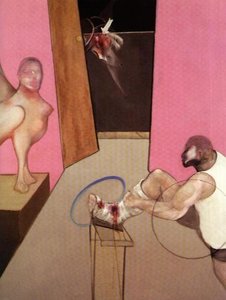
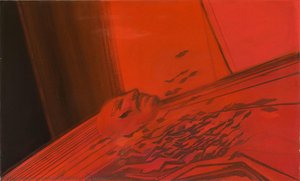
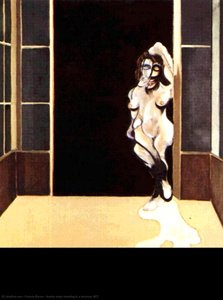
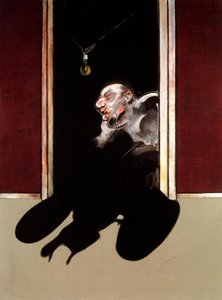
Artist Biography
A Life Immersed in the Visceral
Francis Bacon, a name synonymous with the rawest emotionality in 20th-century art, was born in Dublin, Ireland, in 1909, yet his artistic spirit found its truest expression within the turbulent landscape of post-war Britain. His early life was far from stable; frequent relocations due to his mother’s health instilled a sense of displacement that would profoundly shape his worldview and, ultimately, permeate his canvases. A complex relationship with his stern father and a close bond with his nanny, Jessie Lightfoot, further colored the emotional terrain of his formative years. Initially drawn to horse racing and a life of gambling, Bacon drifted through various occupations before finally dedicating himself to painting in his late twenties – a delayed start that perhaps intensified the urgency and intensity of his later work. He wasn’t formally trained, instead forging his own path, absorbing influences from diverse sources, and developing a uniquely unsettling visual language.The Crucible of Early Influences
Bacon's artistic awakening was not immediate but rather a gradual accumulation of impressions. The works of Pablo Picasso, particularly the distorted figures of his early Cubist period, proved pivotal in liberating him from traditional representation. He found further inspiration in the haunting photography of Egon Schiele, whose expressive distortions of the human form resonated with Bacon’s own burgeoning fascination with the fragility and vulnerability of existence. However, it was a chance encounter with Sergei Eisenstein's film *Battleship Potemkin* that provided a crucial catalyst. The film’s visceral imagery, particularly a close-up of a screaming face, became an enduring motif in Bacon’s work, representing primal terror and the depths of human suffering. He also deeply admired the Old Masters, notably Diego Velázquez, whose *Portrait of Pope Innocent X* he would famously reinterpret throughout his career, transforming the authoritative papal figure into a tormented specter. These influences weren't merely stylistic appropriations; they were absorbed and transmuted through Bacon’s own unique sensibility, resulting in an artistic vision that was both deeply personal and universally resonant.Forging a Signature Style: Distortion and Isolation
Bacon’s breakthrough arrived with *Three Studies for Figures at the Base of a Crucifixion* (1944), a work that shocked and captivated audiences in post-war London. This triptych established his signature style – distorted, fragmented figures isolated within claustrophobic spaces. These weren't depictions of religious martyrdom but rather visceral explorations of human anguish, stripped bare of any comforting narrative or spiritual solace. His paintings often feature blurred or dissolving forms, conveying a sense of psychological turmoil and physical vulnerability. He frequently employed geometric structures—cages, boxes—to confine his subjects, emphasizing their isolation and powerlessness. Bacon’s palette was typically muted and somber, reflecting the dark themes he explored, though punctuated by bursts of intense color that heightened the emotional impact. The use of these cages wasn't merely a compositional device; it symbolized the inherent limitations and constraints imposed upon human existence. He sought to capture not just *what* things looked like but *how they felt*, translating inner states of anxiety, fear, and despair onto the canvas with brutal honesty.Themes of Mortality, Anguish, and the Human Condition
Throughout his prolific career, Bacon repeatedly returned to certain motifs: the crucifixion as a symbol of suffering; portraits that delved into the psychological intensity of his subjects, often friends and lovers like George Dyer; and self-portraits that served as introspective explorations of identity and mortality. His *Study After Velázquez’s Portrait of Pope Innocent X* (1953) series is perhaps one of his most iconic achievements, transforming Velázquez's dignified portrait into a screaming apparition, embodying existential dread. The portraits of George Dyer, his volatile lover, are particularly poignant, capturing both the intensity of their connection and the looming shadow of tragedy. Bacon’s work wasn’t about depicting specific individuals; it was about exploring universal themes of human vulnerability, isolation, and the inevitability of death. He didn't shy away from the darker aspects of existence but rather confronted them head-on, forcing viewers to confront their own mortality and anxieties.A Lasting Legacy: Challenging Conventions
Francis Bacon’s impact on 20th-century art is undeniable. He challenged traditional notions of representation, rejecting idealized beauty in favor of a raw, unflinching portrayal of the human condition. His work profoundly influenced generations of artists, paving the way for new forms of expression and challenging conventional artistic boundaries.- Post-War Expressionism: Bacon is considered a key figure in this movement, influencing artists with his bold style and psychological depth.
- Auction Records & Museum Exhibitions: His paintings continue to command high prices at auction and are exhibited in major museums worldwide, solidifying his place in art history.
- Confronting Truths: Bacon’s legacy lies in his ability to confront uncomfortable truths about human existence and translate those experiences into powerful and unforgettable images.
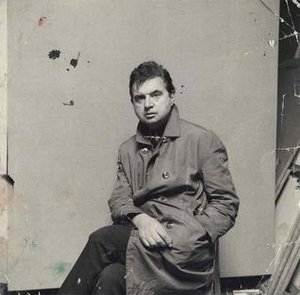
Francis Bacon
1909 - 1992 , Ireland
Quick Facts
- Artistic Movement Or Style: Expressionism
- Artists Or Movements Influenced By This Artist: ['Post-war Expressionism']
- Artists Who Influenced This Artist:
- Picasso
- Egon Schiele
- Date Of Birth: 1909-10-28
- Date Of Death: 1992-04-28
- Full Name: Francis Bacon
- Nationality: Irish-British
- Notable Artworks:
- Three Studies...
- Pope series
- George Dyer portrait
- Place Of Birth: Dublin, Ireland

