 Preview
 Send
Send Share
Share
 Details

 Download
 Similars
 X-Ray
X-Ray Diaporama
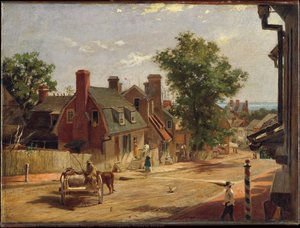
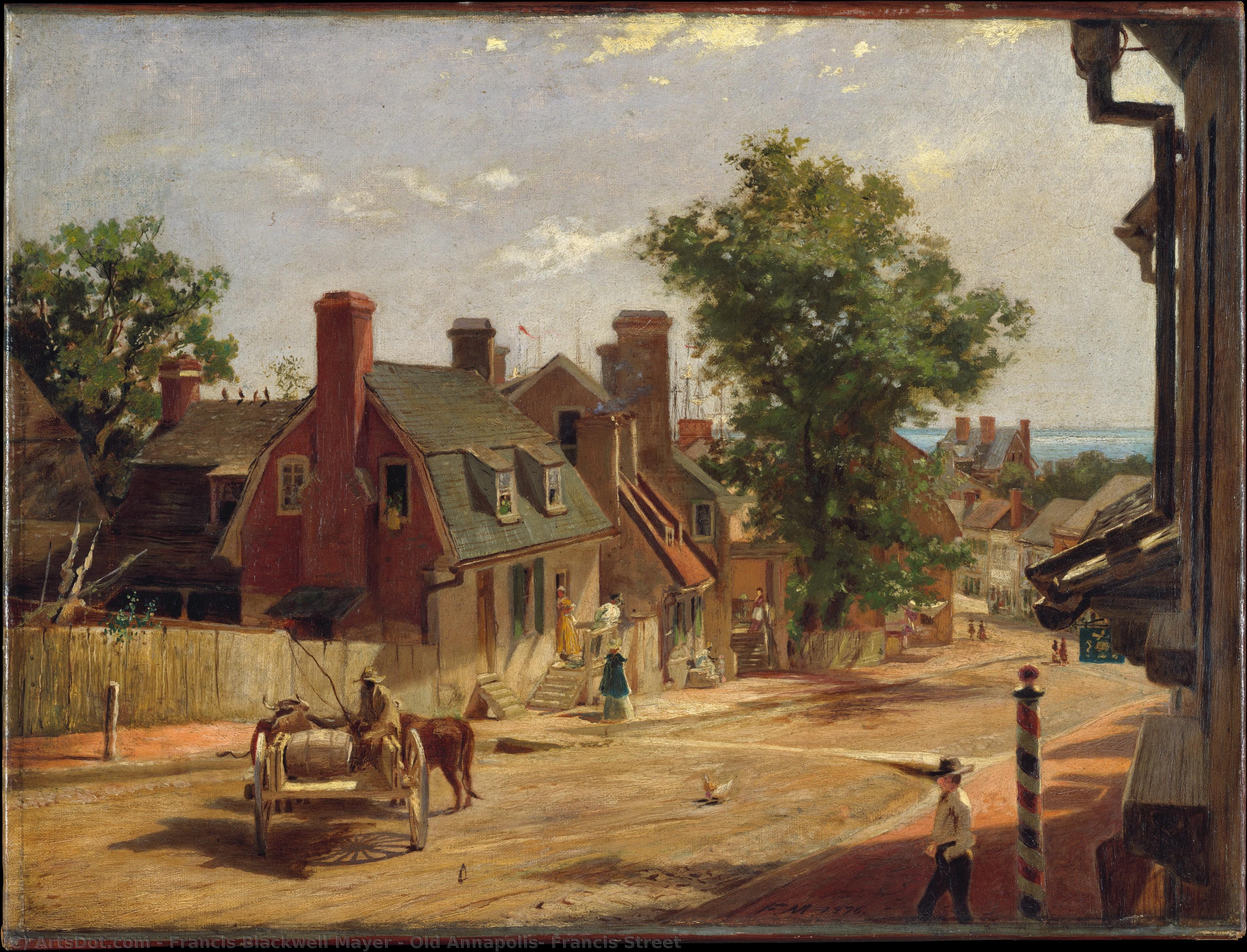
Old Annapolis, Francis Street
 1876
1876 40.0 x 52.0 cm
 Read More
Hand Made Oil Reproduction
Hand-painted oil on canvas in your size and frame, made to order by our artists. ( Buy Print Buy Image)




































Pick from our preset sizes that match the artwork's original proportions.

You may enter your own dimensions to fit a specific frame or space. If your selected size does not match the original image's proportions, we will either crop the artwork or extend the painting with additional hand-painted elements. A digital mockup will be sent for your approval before production begins.
Please note that the on-screen preview does not reflect the actual cropping or extension. Only the mockup will accurately show the final composition.
While custom sizes are available, we recommend selecting a dimension from the predefined list to preserve the original proportions.
After order, ArtsDot.com team will email client for instructions and provide a mockup preview
Worldwide Delivery () in 3/4 weeks instead of standard 5 weeks. (7 September). No compromise on quality.

Free Worldwide Express Shipping

High-Quality Linen Canvas

Full Shipping Insurance

Customs Tax Refund Guarantee

True Color Matching Guarantee

100-Day Return Policy (Defects Only)

100% Money-Back Guarantee

Bulk Discount Offer
 Glass option is only available in size under 110 CM

Old Annapolis, Francis Street
Reproduction Medium
Reproduction Size
-


Total Price
$ 263
Related Artworks









Artist Biography
Francis Blackwell Mayer: A Chronicle of Maryland and the Frontier
Francis Blackwell Mayer (December 27, 1827 – December 5, 1899) stands as a compelling figure in 19th-century American art, a painter whose career seamlessly blended historical observation with a deep engagement with both his native Maryland and the burgeoning frontier. More than simply documenting events, Mayer sought to capture the spirit of a nation undergoing transformation, weaving together narratives of colonial life, Native American encounters, and the evolving landscape of the United States. His work, characterized by meticulous detail and a subtle yet powerful sense of atmosphere, offers a valuable window into a pivotal era in American history.
Born in Baltimore, Maryland, Mayer’s early life was steeped in intellectual curiosity and artistic exposure. The son of Charles Mayer, an attorney, and Eliza Blackwell Mayer (a descendant of the prominent physician Dr. Thomas Pickering Blackwell), he benefited from a family environment that valued education and cultural pursuits. His uncle, Brantz Mayer, a celebrated author known for his works on Mexico, further nurtured his interest in history and storytelling. This lineage instilled within him a profound appreciation for narrative and a desire to represent the past with accuracy and sensitivity.
Mayer’s artistic journey began with formal training in Baltimore, studying under Arthur J. Miller and Ernest Fischer. However, it was his sojourn to Paris between 1864 and 1869 that proved transformative. Immersed in the vibrant art scene of Europe, he honed his skills under renowned masters such as Charles Gleyre and Gustave Brion, mastering techniques in oil painting and crayon drawing. This Parisian experience broadened his artistic horizons, exposing him to new styles and influences while solidifying his commitment to meticulous observation and realistic representation.
The Frontier Observer: Drawing on the Western Experience
A defining aspect of Mayer’s career was his expedition to Minnesota Territory in 1851. Driven by a desire to witness firsthand the signing of the Treaty of Traverse des Sioux, he embarked on a journey that profoundly shaped his artistic vision. This trip wasn't merely a geographical excursion; it was an immersive experience into a world vastly different from his Baltimore upbringing. He meticulously documented the landscape, the Native American communities, and the complex negotiations surrounding the treaty through detailed pen-and-ink drawings.
These sketches, later transformed into paintings like “Treaty of Traverse des Sioux, Minnesota” (1886), are remarkable for their nuanced portrayal of a rapidly changing frontier. Mayer didn’t romanticize the West; instead, he presented a sober and observant account of the interactions between settlers and Native Americans, capturing both the tensions and the shared humanity of the situation. His work stands as a crucial historical record, offering valuable insights into a period often obscured by myth and legend.
Maryland's Historical Tapestry: Painting Colonial Life
Returning to Maryland, Mayer established himself in Annapolis, a city rich in history and tradition. He became deeply involved in the civic life of the community, contributing to its improvement through his membership in organizations like the Local Improvement Association. This engagement with local affairs fueled his artistic interests, inspiring him to paint scenes from Maryland’s past – colonial settlements, historical figures, and everyday life.
Mayer's depictions of colonial subjects are particularly noteworthy for their attention to detail and their ability to evoke a sense of authenticity. Works such as “Annapolis in 1750” (1876) and “Talking Business in 1750” (1879) transport the viewer back to a bygone era, capturing the atmosphere, architecture, and social customs of colonial Maryland with remarkable precision. These paintings are not merely historical recreations; they are imbued with a sense of reverence for the past and a desire to preserve its memory.
Technique and Legacy
Mayer’s artistic style is characterized by a meticulous approach to detail, informed by his training in Europe and his extensive observational work. He employed a realistic palette and carefully rendered textures, creating images that are both visually engaging and historically accurate. His use of light and shadow contributes to the atmospheric quality of his paintings, evoking a sense of mood and emotion.
While often overshadowed by more celebrated artists of his time, Francis Blackwell Mayer’s contribution to American art is significant. He served as a keen observer of both historical events and everyday life, capturing the spirit of his era with remarkable skill and sensitivity. His work continues to be studied and appreciated for its historical value, artistic merit, and its unique perspective on the development of the United States. The Maryland State House proudly displays two of his most celebrated works, “The Burning of the Peggy Stewart” and “The Planting of the First Colony in Maryland,” ensuring that his legacy as a chronicler of Maryland’s past endures.

Francis Blackwell Mayer
1827 - 1899 , United States of America
Quick Facts
- Artistic Movement Or Style: Genre painting, historical themes
- Artists Or Movements Influenced By This Artist: ['Brantz Mayer']
- Artists Who Influenced This Artist:
- Alfred Jacob Miller
- Ernest Fischer
- Date Of Birth: December 27, 1827
- Date Of Death: December 5, 1899
- Full Name: Francis Blackwell Mayer
- Nationality: American
- Notable Artworks:
- Feast of Mondawmin
- Doing and Dreaming
- The Nineteenth Century
- Treaty of Traverse des Sioux
- Annapolis in 1750
- Place Of Birth: Baltimore, USA