 Preview
 Send
Send Share
Share
 Details

 Download
 Similars
 X-Ray
X-Ray Diaporama
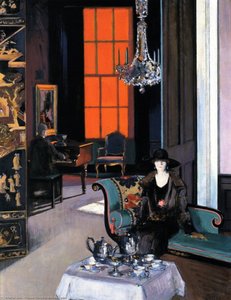
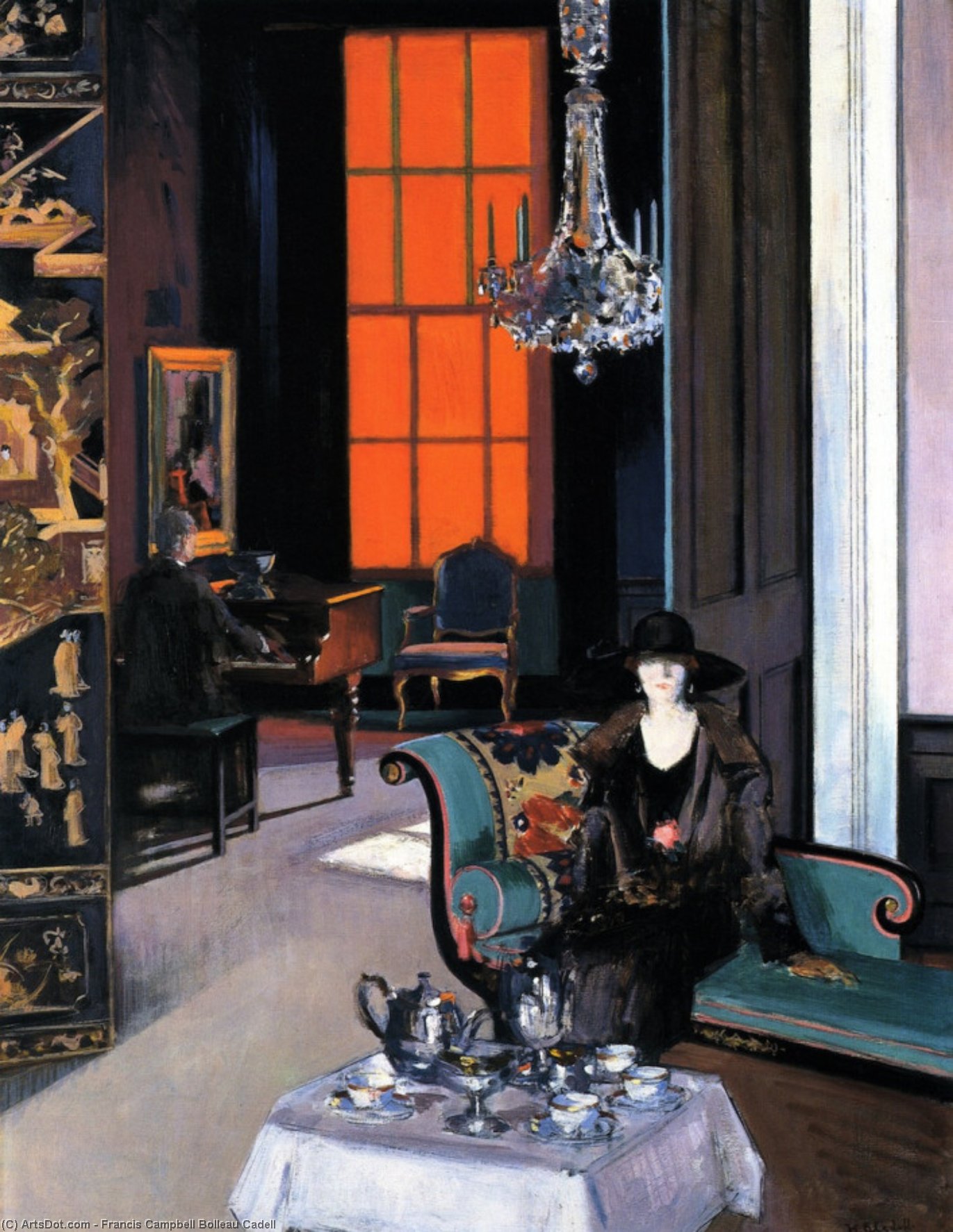
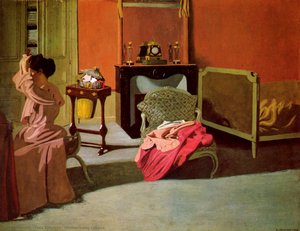
Interior: The Orange Blind


 Read More
Hand Made Oil Reproduction
Hand-painted oil on canvas in your size and frame, made to order by our artists. ( Buy Print Buy Image)




P118B $10

P118H $10

P118W $10

P438Z $10

P508JH $12

P508YH $12

P805H $10

P805Z $10

P919BZ $10

P919G $10

P919XJ $10

P959ZH $10

P968JZ $12

W106C $8

W218G $10

W218JH $8

W218Y $10

W307PJ $10

W316G $10

W316PJ $8

W316Y $10

W398PJ $8

W4111J $10

W500HY $15

W500JH $15

W692G $12

W849H $8

W940BG $15

W953PJ $8




Pick from our preset sizes that match the artwork's original proportions.

You may enter your own dimensions to fit a specific frame or space. If your selected size does not match the original image's proportions, we will either crop the artwork or extend the painting with additional hand-painted elements. A digital mockup will be sent for your approval before production begins.
Please note that the on-screen preview does not reflect the actual cropping or extension. Only the mockup will accurately show the final composition.
While custom sizes are available, we recommend selecting a dimension from the predefined list to preserve the original proportions.
After order, ArtsDot.com team will email client for instructions and provide a mockup preview
Worldwide Delivery () in 3/4 weeks instead of standard 5 weeks. (17 August). No compromise on quality.

Free Worldwide Express Shipping

High-Quality Linen Canvas

Full Shipping Insurance

Customs Tax Refund Guarantee

True Color Matching Guarantee

60-Day Return Policy (Defects Only)

100% Money-Back Guarantee

Bulk Discount Offer
 Glass option is only available in size under 110 CM

Interior: The Orange Blind
Reproduction Medium
Reproduction Size
-


Total Price
$ 263
Artwork Description
A Symphony in Orange Hues: Exploring Cadell's Serene Interior
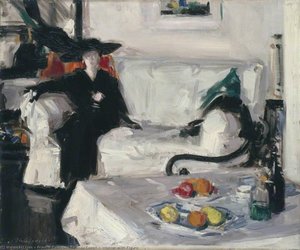
To gaze upon Interior: The Orange Blind is to step through a portal into a moment of exquisite, sun-drenched repose. Francis Campbell Bolleau Cadell, the master Scottish Colourist, has gifted us more than just a painting; he offers an atmosphere—a tangible sense of quiet elegance captured in oil on canvas. Dating from 1927, this work exemplifies the artist's profound ability to transform the mundane domestic space into a sanctuary of color and light. The composition centers around a woman seated gracefully upon a couch, her presence anchoring the viewer’s eye while her gaze suggests contemplation directed just beyond the frame.
The Influence of the Avant-Garde on Scottish Shores
Cadell's artistic vocabulary is deeply indebted to the revolutionary spirit of the French avant-garde, particularly the vibrant energy of Fauvism. This influence is nowhere more apparent than in his masterful handling of color. Notice how the oranges—the titular blind and other accents throughout the room—do not merely decorate; they sing. They are applied with a boldness that speaks to Matisse’s spirit, utilizing flat areas of saturated pigment that give the entire scene an almost jewel-toned luminescence. Yet, this vibrancy never overwhelms the sense of tranquility. Instead, it bathes the interior in a warm, enveloping glow, suggesting a sophisticated taste for color theory married to domestic comfort.
Composition and Domestic Narrative
The arrangement within the room is meticulously considered. Beyond the central figure, the eye wanders across supporting elements that enrich the narrative tapestry: a polished dining table adorned with delicate cups, a nearby vase hinting at ephemeral beauty, and the presence of two chairs flanking the scene. To the left, the inclusion of a piano introduces an element of potential music—a suggestion of conversation, laughter, or perhaps just the quiet echo of melody. These objects are not mere props; they are signifiers of cultured life, inviting the viewer to imagine the sounds and stories that once filled this very space.
Technique: Light, Shadow, and Emotional Resonance
Cadell’s technique is a masterclass in controlled energy. While his brushstrokes possess an inherent vitality—a hallmark of his style—they are deployed with such precision that they build depth without sacrificing the flatness characteristic of modern color fields. The interplay between light and shadow is crucial; it sculpts the forms, giving dimension to the rich textiles and polished wood while simultaneously allowing the bold colors to vibrate against one another. Emotionally, the painting resonates with a deep sense of intimacy and cultivated calm. It speaks to a time when beauty was found not in grand historical narratives, but in the quiet perfection of a well-appointed, sunlit room.
A Touchstone for Modern Living
For those who appreciate art that breathes life into architecture or decor, Interior: The Orange Blind serves as an unparalleled inspiration. It is a testament to how color can dictate mood and how careful placement of objects can evoke memory. Whether you are seeking the vibrant zest of Fauvist colorism or the serene poetry of a well-appointed gathering space, Cadell’s vision offers a timeless blueprint for sophisticated living.
Related Artworks

Artist Biography
The Vibrant Legacy of Francis Campbell Cadell
Born into the refined atmosphere of Edinburgh in 1883, Francis Campbell Cadell was destined for a life touched by the arts. As the son of the esteemed surgeon Dr. Francis Cadell and Mary Hamilton Boileau, his upbringing at 22 Ainslie Place within the prestigious Moray Estate provided a backdrop of cultural sophistication. This environment, enriched by the theatrical presence of his sister, the renowned actress Jean Cadell, nurtured a sensibility that would later define his approach to the canvas. From the tender age of sixteen, Cadell sought the pulse of the modern art world, traveling to Paris to study at the Académie Julian. It was within the vibrant, experimental atmosphere of the French capital that his artistic identity began to coalesce, as he moved away from rigid academicism toward a more liberated expression of light and hue.
The evolution of Cadell’s technique was profoundly shaped by the arrival of Fauvism. Inspired by the radical color palettes of masters like Matisse, Cadell embraced a style that prioritized emotional resonance over mere photographic accuracy. He became a key figure among the Scottish Colourists, a group celebrated for their ability to infuse landscapes and interiors with a rhythmic, almost musical use of pigment. His brushwork, often bold and decisive, sought to capture the fleeting essence of light hitting a surface, whether it was the rugged coastlines of Iona or the polished elegance of an Edinburgh drawing room. This mastery of color allowed him to transform ordinary scenes into extraordinary studies of atmosphere and mood.
A Master of Light and Interiority
Cadell’s oeuvre is perhaps most celebrated for its exquisite depiction of high-society interiors and the quiet dignity of domestic life. He possessed a singular ability to render the textures of silk, the sheen of porcelain, and the soft glow of afternoon light filtering through a window. These works are not merely portraits of rooms, but rather psychological landscapes that reflect the elegance and social nuances of early 20th-century Scotland. His compositions often feature a sophisticated interplay between structured form and fluid color, creating a sense of modern vitality within traditional settings.
Beyond the confines of the salon, Cadell found profound inspiration in the natural world. His landscapes, particularly those capturing the rugged beauty of the Hebridean islands, demonstrate a different facet of his genius. In these works, the influence of French Impressionism and Fauvism merges with a deep, localized appreciation for the Scottish terrain. The following elements characterize his most significant artistic contributions:
- Chromatic Boldness: A fearless use of pure, unadulterated color to define shape and depth.
- Luminous Interiors: The creation of atmospheric spaces that evoke a sense of timeless elegance.
- Textural Mastery: An expert command over the physical properties of paint to simulate light and fabric.
- Modernist Spirit: A rejection of Victorian sentimentality in favor of a more direct, sensory experience.
An Unconventional Spirit and Lasting Significance
The persona of Francis Campbell Cadell was as striking as his palette. Known for his wit and a certain rebellious intellect, he famously embraced his identity as a left-handed painter. When faced with the skepticism of traditionalists who questioned his unconventional methods, he would wryly invoke the greatness of Michelangelo, using historical precedent to silence his critics. This characteristic defiance of convention mirrored his artistic mission: to break free from the stifling grip of academic tradition and pursue a more authentic, colorful reality.
Though his life was relatively short, ending in 1937, Cadell’s impact on British art history remains indelible. He helped bridge the gap between the traditional Scottish landscape tradition and the radical innovations of the European avant-garde. Today, his works are cherished not only for their aesthetic beauty but as vital historical documents of a period of immense cultural transition. Through his vibrant portraits and sweeping landscapes, Cadell continues to invite viewers into a world where color is the primary language of emotion and light is the ultimate architect of form.
francis campbell bolleau cadell
1883 - 1937
Quick Facts
- Artistic Movement Or Style: Colourist
- Artists Or Movements Influenced By This Artist: ['Fauvism']
- Artists Who Influenced This Artist: ['Matisse']
- Date Of Birth: 1883
- Date Of Death: 1937
- Full Name: Francis Campbell Boileau Cadell
- Nationality: Scottish
- Notable Artworks:
- Lady in White
- A Lady in Black and Gold
- Still Life
- Place Of Birth: Edinburgh, Scotland
Related Articles
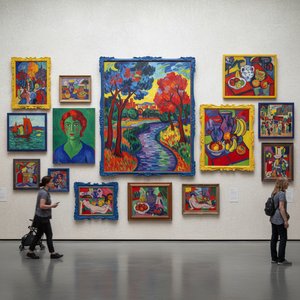
Fauvism's Bold Vision: 10 Masterpieces That Revolutionized Modern Art |
Explore the revolutionary world of Fauvism! Discover 10 masterpieces by Matisse, Derain & Vlaminck that defined this bold art movement. Find museum-quality reproductions and vibrant canvas prints to elevate your home decor at .
Bold Strokes & Powerful Visions: 10 Artworks That Command Attention | ArtsDot
Experience art's raw power! Explore 10 iconic paintings – Van Gogh, Kahlo & more – that define 'bold'. Discover the stories behind these expressive masterpieces and find museum-quality reproductions for your home at ArtsDot.com.
George Paul Chalmers: Rediscovering the Angus Rembrandt & Scottish Colourist Roots
Explore the captivating world of George Paul Chalmers (1833-1878), a pivotal Scottish painter. Discover his landscapes, portraits & connection to the Aesthetic Movement and Colourists. Learn about this 'Angus Rembrandt's' legacy with ArtsDot.
Fauvism's Boldest Visions: 10 Masterpieces That Revolutionized Modern Art | ArtsDot
Explore 10 Fauvist masterpieces by Matisse, Derain & Vlaminck that ignited Modern Art! Discover bold colors, expressionist landscapes & the history of this revolutionary movement. Find museum-quality prints at ArtsDot.com.

The Enduring Legacy of Oil on Canvas: Technique, History & Aesthetic Impact
Explore the rich history & techniques of oil painting – from Renaissance masters to Impressionism. Discover pigments, layering methods, and why this timeless medium endures. Expert insights for artists & art enthusiasts.