

 Preview
 Send
Send Share
Share
 Details

 Download
 Similars
 X-Ray
X-Ray Diaporama
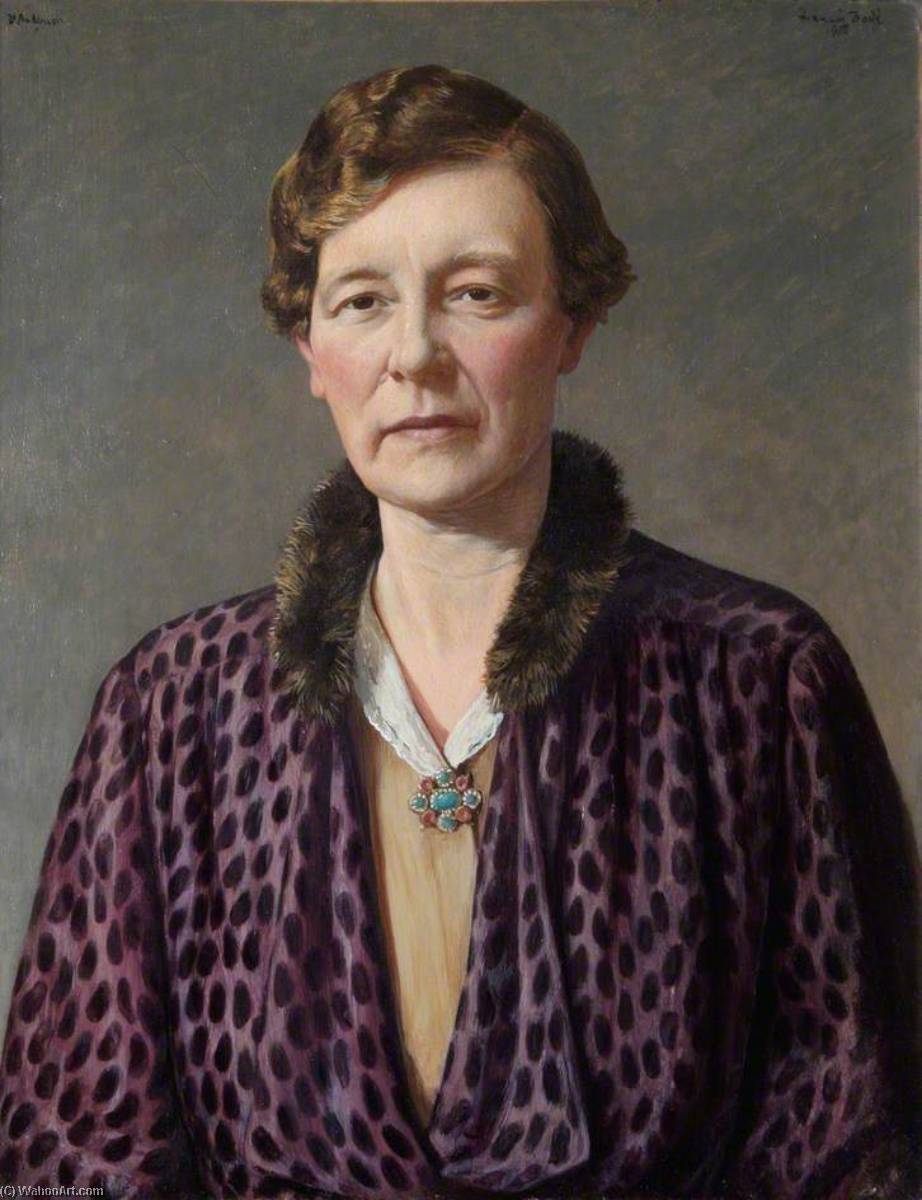
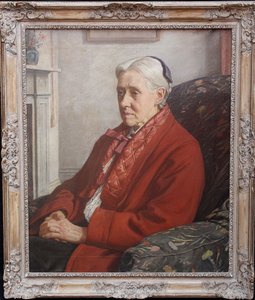
Louisa Garrett Anderson (1873–1943)
 1921
1921 60.0 x 45.0 cm
 Royal Free Hospital
 Read More
Purchase a high-resolution, enhanced digital image, far superior to the online preview.
Each file is meticulously prepared by our in-house specialists using advanced tools and expert manual retouching. We ensure every image has exceptional clarity, precise color accuracy, and fine detail.
The final file is delivered via email within 72 hours, optimized for immediate use in professional, editorial, and print environments. This is the same quality trusted by top-tier design studios, publishers, and galleries.
Digital Image
Download a high-resolution file for personal display, printing, and creative projects. ( Buy Print Buy Hand Made Painting)
Included in Every Digital Image Order
Expert Digital Delivery, Guaranteed
When you choose ArtsDot.com, you're not just getting an image - you're receiving a professionally enhanced digital artwork, crafted with precision and backed by a satisfaction guarantee. Here's everything that comes with your order, automatically:

Fast Email Delivery
Your high-resolution digital image file will be emailed to you within 72 hours of ordering - ready for immediate use.

AI-Enhanced Digital File
Your artwork is professionally optimized using advanced AI tools and manual editing, ensuring maximum detail, clarity, and color accuracy.

Free Lifetime Re-Delivery
Accidentally deleted or lost your file? No worries - we'll resend it to you anytime, free of charge.

No Import Fees - Ever
Enjoy your artwork instantly with zero customs, duties, or delivery fees - digital downloads are always tax-free.

Color Accuracy Guarantee
We ensure your digital image reflects the original colors as closely as possible using professional tools and color management.

60-Day Satisfaction Guarantee
If you're not satisfied with your digital image, we'll revise it or refund 100% within 60 days - no questions asked.

100% Money-Back Guarantee
Not satisfied? Get a full refund within 60 days of receiving your digital file - no questions asked.

Bulk Order Discounts
Buy 3 images, save 10% - Buy 5, save 15% - Buy 10+, save 20%. Great for creative projects, galleries, and agencies.
Related Artworks
Artist Biography
Claude Monet: Capturing the Ephemeral Light
Oscar-Claude Monet, born in Le Havre, Normandy, on November 14, 1840, wasn’t simply a painter; he was a revolutionary. He didn't seek to replicate reality with meticulous detail but rather to capture its fleeting essence – the way light dances upon surfaces, the subtle shifts of color as time unfolds. His life and work are inextricably linked to his relentless pursuit of this ephemeral beauty, a philosophy that fundamentally reshaped the course of art history and established Impressionism as a dominant force.
Monet’s early years were marked by a quiet yearning for artistic expression, often at odds with his father's desire for him to enter the family grocery business. His mother’s death in 1857 profoundly impacted him, fueling a deep-seated need to find solace and meaning through art. He began his formal training at the Le Havre secondary school of the arts, quickly finding kinship with Eugène Boudin, a local artist who introduced him to the crucial concept of *plein air* painting – working outdoors directly from nature. This practice, coupled with his studies under Charles Gleyre in Paris, exposed Monet to a new generation of artists experimenting with loose brushstrokes and capturing the immediate impression of light and color.
The 1870s proved pivotal. The Franco-Prussian War brought upheaval and disillusionment, but also provided a catalyst for artistic innovation. Monet’s relocation to London during the conflict exposed him to the landscapes of John Constable and Joseph Mallord William Turner, artists who had mastered the depiction of atmospheric effects and the subtle nuances of light. Upon returning to Paris, he became deeply involved with the burgeoning Impressionist movement, collaborating closely with fellow artists like Renoir, Sisley, and Pissarro. The 1874 exhibition at Nadar’s studio, dubbed “The Salon des Refusés,” marked a turning point, providing a platform for these artists to showcase their radical approach – rejecting the rigid conventions of the established Salon in favor of capturing fleeting moments of perception.
The Pursuit of Light and Color
Monet's artistic journey was fundamentally driven by his obsession with light. He wasn’t interested in rendering a scene accurately; he sought to convey *how* it appeared at a specific moment, influenced by the atmospheric conditions and the interplay of colors. This is vividly illustrated in his series of paintings depicting Rouen Cathedral, where he meticulously observed how the cathedral's appearance changed dramatically throughout the day and under different weather conditions. Similarly, his water lily pond at Giverny became an endless source of inspiration, providing a constantly shifting canvas for his artistic explorations.
His technique evolved over time. Initially, Monet employed short, broken brushstrokes to build up color and texture, creating a sense of vibrancy and immediacy. As he matured, he developed a looser, more fluid style, allowing the paint itself to contribute to the overall impression. He experimented with complementary colors, often juxtaposing them side-by-side to create visual excitement and heighten the sense of luminosity. His use of color was not descriptive but evocative – designed to stimulate the viewer’s imagination and convey a feeling rather than a literal representation.
Key Works and Series
Monet's oeuvre is vast and remarkably consistent in its focus on capturing light and atmosphere. Some of his most celebrated works include:
- Impression, Sunrise (1872): This painting, arguably the namesake of the Impressionist movement, exemplifies Monet’s early approach – a rapid, spontaneous rendering of a fleeting moment.
- Water Lilies (Nymphéas) Series (1896-1926): These monumental canvases, created in his garden at Giverny, represent the culmination of his lifelong fascination with water and light. They are not merely depictions of flowers but immersive explorations of color, reflection, and atmosphere.
- Haystacks Series (1890-1891): Monet’s repeated studies of haystacks demonstrate his methodical approach to capturing the changing effects of light and weather on a single subject over time.
- Rouen Cathedral Series (1892-1894): This ambitious project involved painting the cathedral from numerous vantage points, documenting its appearance under different lighting conditions throughout the day and seasons.
Legacy and Influence
Claude Monet’s impact on art is immeasurable. He liberated painters from the constraints of academic tradition, paving the way for modernism and influencing generations of artists who followed. His emphasis on subjective perception, his innovative use of color, and his dedication to capturing the ephemeral beauty of nature continue to resonate with viewers today.
Beyond his artistic achievements, Monet’s life itself became a subject of fascination. His unwavering commitment to his vision, his willingness to challenge convention, and his profound connection to the natural world have cemented his place as one of the most beloved and enduring figures in art history. His legacy extends far beyond the canvas, inspiring us to see the world with fresh eyes and appreciate the fleeting beauty that surrounds us.
francis dodd
1874 - 1949 , United States of America
Quick Facts
- Artistic Movement Or Style: Impressionism
- Artists Or Movements Influenced By This Artist:
- Post-Impressionism
- Modernism
- Artists Who Influenced This Artist:
- Eugène Boudin
- John Constable
- Joseph Mallord William Turner
- Date Of Birth: November 14, 1840
- Date Of Death: December 5, 1926
- Full Name: Claude Oscar Monet
- Nationality: French
- Notable Artworks:
- Impression, Sunrise
- Water Lilies series
- Rouen Cathedral series
- Place Of Birth: Le Havre, France

