 Preview
 Send
Send Share
Share
 Details

 Download
 Similars
 X-Ray
X-Ray Diaporama
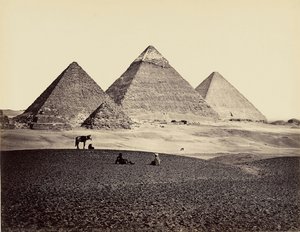
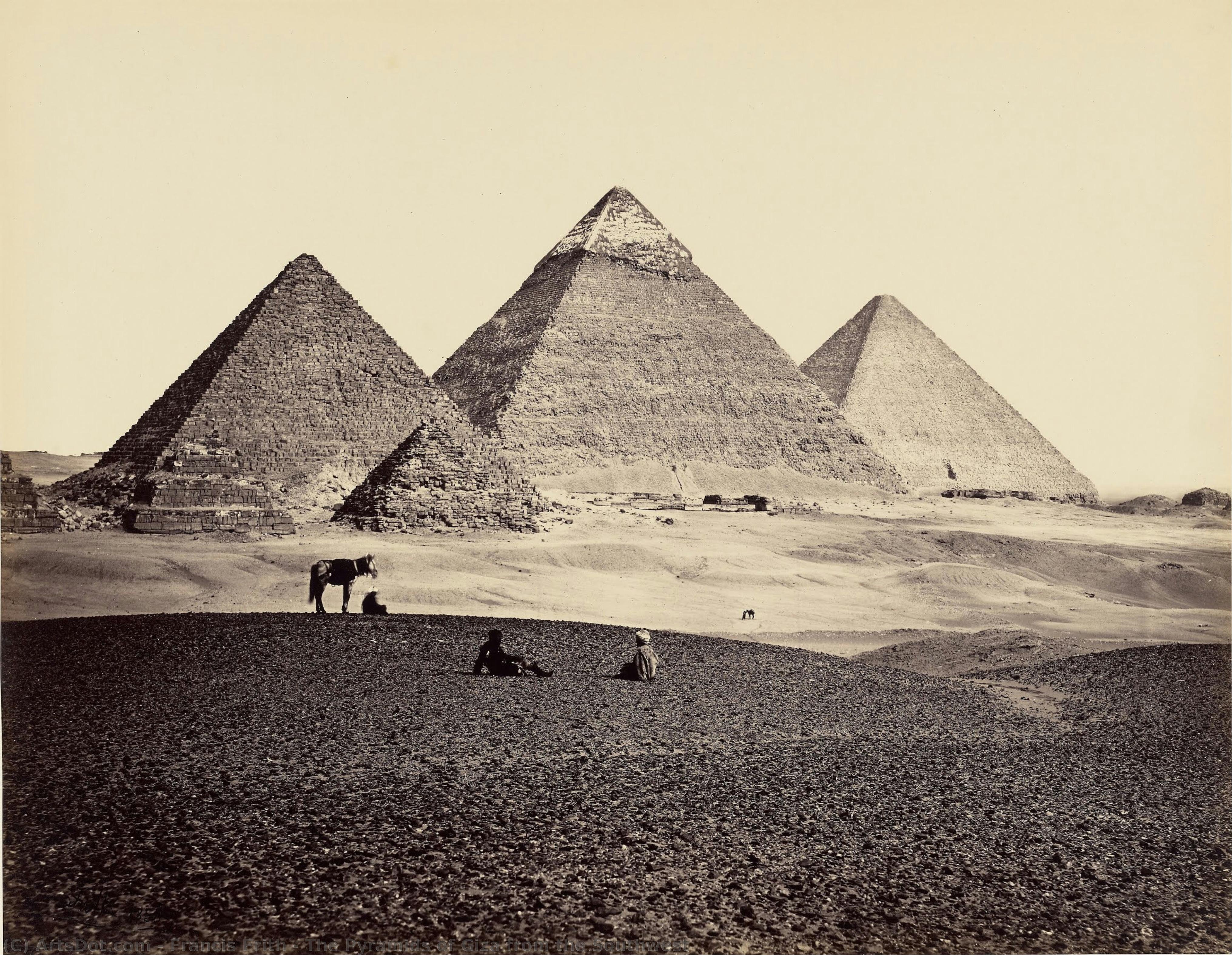
The Pyramids of Giza from the Southwest


 Read More
Hand Made Oil Reproduction
Hand-painted oil on canvas in your size and frame, made to order by our artists. ( Buy Print Buy Image)




P118B $10

P118H $10

P118W $10

P438Z $10

P508JH $12

P508YH $12

P805H $10

P805Z $10

P919BZ $10

P919G $10

P919XJ $10

P959ZH $10

P968JZ $12

W106C $8

W218G $10

W218JH $8

W218Y $10

W307PJ $10

W316G $10

W316PJ $8

W316Y $10

W398PJ $8

W4111J $10

W500HY $15

W500JH $15

W692G $12

W849H $8

W940BG $15

W953PJ $8




Pick from our preset sizes that match the artwork's original proportions.

You may enter your own dimensions to fit a specific frame or space. If your selected size does not match the original image's proportions, we will either crop the artwork or extend the painting with additional hand-painted elements. A digital mockup will be sent for your approval before production begins.
Please note that the on-screen preview does not reflect the actual cropping or extension. Only the mockup will accurately show the final composition.
While custom sizes are available, we recommend selecting a dimension from the predefined list to preserve the original proportions.
After order, ArtsDot.com team will email client for instructions and provide a mockup preview
Worldwide Delivery () in 3/4 weeks instead of standard 5 weeks. (17 August). No compromise on quality.

Free Worldwide Express Shipping

High-Quality Linen Canvas

Full Shipping Insurance

Customs Tax Refund Guarantee

True Color Matching Guarantee

60-Day Return Policy (Defects Only)

100% Money-Back Guarantee

Bulk Discount Offer
 Glass option is only available in size under 110 CM

The Pyramids of Giza from the Southwest
Reproduction Medium
Reproduction Size
-


Total Price
$ 263
Artwork Description
A Panoramic Vision of Ancient Majesty: Francis Frith’s “The Pyramids of Giza from the Southwest”
Francis Frith's "The Pyramids of Giza from the Southwest," executed in 1858, transcends mere documentation; it embodies a pivotal moment in Victorian landscape photography and captures the spirit of an era captivated by exploration and scientific observation. More than just a snapshot of monumental architecture, this albumen silver print offers a profound glimpse into how Europeans perceived Egypt during its burgeoning rediscovery – a perspective shaped by Romantic ideals and fueled by a desire to grapple with the immensity of time and history.
- Subject Matter: The photograph presents an iconic view of Giza’s pyramids, showcasing their grandeur against the backdrop of the arid desert landscape. Frith meticulously positioned his camera to capture the southwestern orientation of the pyramids, emphasizing their alignment with celestial phenomena – a detail reflecting the prevailing astronomical theories of the period.
- Style & Technique: Frith's masterful technique exemplifies the advancements in photographic printing achieved during the Victorian era. Utilizing a glass negative coated with collodion—a revolutionary process compared to earlier methods—he achieved unparalleled clarity and tonal range, resulting in an image that retains remarkable detail despite its monochrome palette. The albumen print itself contributes to the photograph’s luminosity and textural richness.
- Historical Context: Frith's expedition to Egypt coincided with a surge of interest in Orientalism – a Western fascination with Eastern cultures that often romanticized them while simultaneously perpetuating stereotypes. This image reflects this cultural preoccupation, portraying Egyptians as figures of dignity and tradition amidst the vast expanse of desert wilderness.
- Symbolism & Emotion: The pyramids themselves symbolize permanence, divine authority, and the legacy of ancient civilizations. Frith’s composition evokes a sense of awe and wonder, inviting viewers to contemplate the scale of human endeavor against the backdrop of geological time. The photograph's stark beauty speaks to the Romantic impulse to find sublime grandeur in nature.
The San Francisco Museum of Modern Art recognizes this masterpiece as an exceptional example of Victorian landscape photography and its contribution to shaping perceptions of Egypt during a transformative period. Its enduring appeal lies not only in its visual splendor but also in its ability to transport us back to a time when scientific curiosity mingled with artistic imagination.
This stunning reproduction allows you to experience the majesty of Giza’s pyramids as seen through the lens of one of Britain's most celebrated photographers. Bring this timeless image into your home or office and immerse yourself in the grandeur of Victorian artistry.
Related Artworks
![[julia Jackson] — Julia Margaret Cameron, Victorian Photography](/media/artworks/images/thumbnails/04/76/04763b23b52641658bd936077c2c3ae6.jpg)
![[ibsamboul. Spéos De Phré] — John Beasley Greene, Romanticism](/media/artworks/images/thumbnails/fa/6e/fa6e0143d0614855b3f37498318ec6cb.jpg)

Artist Biography
The Visionary of the Nile: The Life and Legacy of Francis Frith
In the mid-nineteenth century, as the Victorian era began to expand its horizons through exploration and industrial prowess, a new kind of artist emerged—one who used the lens rather than the brush to capture the sublime. Francis Frith, born in Chesterfield, Derbyshire, in 1822, was far more than a mere businessman or a pioneer of photography; he was a visual storyteller whose expeditions brought the ancient wonders of the Orient into the parlors of Europe. Though his early life was rooted in the practicalities of the Quaker tradition and even involved apprenticeships in the cutlery trade and success as a wholesale grocer, Frith possessed an innate curiosity that would eventually lead him to the sun-drenched landscapes of Egypt, Palestine, and Syria.
The transition from commerce to the arts was not merely a change in profession but a profound evolution of perspective. After establishing himself in the photographic studio scene in Liverpool during the early 1850s, Frith felt the pull of the distant unknown. His journeys between 1856 and 1860 were Herculean feats of both physical endurance and technical mastery. Carrying heavy glass plate cameras through blistering heat and swirling desert sands, he utilized the challenging collodion process to document monuments that had remained largely unseen by Western eyes. These were not simple snapshots; they were meticulously composed architectural studies that demanded immense patience, as each exposure required a portable wicker darkroom to prepare the wet plates in situ.
A Master of Light and Scale
What distinguishes Frith’s work from the mere documentation of his contemporaries is his profound sense of composition and scale. He did not simply photograph ruins; he orchestrated scenes that evoked the grandeur of classical painting. Influenced by the sweeping landscapes of masters like Turner and Constable, Frith understood how to use light and shadow to imbue stone and sand with a sense of eternal mystery. His large-format negatives, some measuring as much as 16 by 20 inches, allowed for an incredible level of detail that could transport a viewer from the grey streets of London directly to the towering pylons of Karnak or the silent majesty of Abu Simbel.
His technical achievements were matched by his entrepreneurial brilliance. Recognizing the immense public appetite for these exotic vistas, he established Francis Frith & Co. in 1860. This venture was revolutionary, aiming to document the very fabric of the British landscape alongside his Middle Eastern discoveries. The company grew into one of the largest photographic publishers in the world, amassing a staggering collection of negatives that covered thousands of population centers across Great Britain and Ireland. Through his publications, such as Egypt and Palestine Photographed and Described, Frith democratized the experience of travel, allowing the burgeoning middle class to participate in the era's fascination with Orientalism.
Historical Significance and Enduring Impact
The historical weight of Francis Frith’s contribution cannot be overstated. He was a foundational figure in the development of landscape photography as an art form, bridging the gap between scientific documentation and aesthetic expression. His work provided a vital visual record of archaeological sites that have since been altered by time, conflict, and environmental change, making his archive an invaluable resource for modern historians and archaeologists alike.
As we reflect on his life, several key elements of his legacy remain prominent:
- Pioneering Exploration: His ability to navigate extreme climatic conditions to capture the first high-quality photographic records of ancient Near Eastern civilizations.
- Technological Innovation: The masterful application of the wet-plate collodion process in environments previously thought impossible for such delicate work.
- The Birth of Photographic Publishing: Creating a commercial model that turned photography from a niche hobby into a global industry of visual information and art.
- Cultural Influence: Shaping the Victorian imagination and the Western perception of the Middle East through a lens of grandeur and romanticism.
Francis Frith passed away in 1898, leaving behind a world that had been forever changed by his vision. He remains a titan of the photographic medium, an artist who mastered the light of distant lands to illuminate the history of humanity.
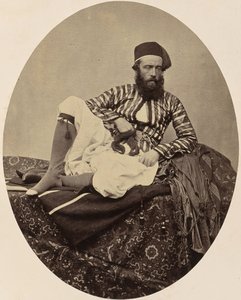
francis frith
1822 - 1898
Quick Facts
- Artistic Movement Or Style: Orientalism
- Artists Or Movements Influenced By This Artist: ['Photographic Realism']
- Artists Who Influenced This Artist: ['William Henry Fox Talbot']
- Date Of Birth: 1822
- Date Of Death: 1898
- Full Name: Francis Frith
- Nationality: English
- Notable Artworks:
- The Valley of Jehoshaphat, Jerusalem (Plate 14)
- Melrose Abbey
- Place Of Birth: England
Related Articles

Beyond the Horizon: 10 Landscape Masterpieces for Your Home Decor
Journey through 10 breathtaking landscape paintings by Monet, Van Gogh & more! Explore iconic artworks, artistic techniques & find inspiration for your home decor. Museum-quality reproductions at ArtsDot.com. Discover all masterpieces on ArtsDot.com

John Constable's Masterpieces: Explore 25 Iconic Landscapes for Your Home
Journey through John Constable's 25 most celebrated landscapes. Explore Romanticism, Dedham Vale & his masterful use of light in iconic paintings like 'Hay Wain'. Find museum-quality art reproductions and elevate your home decor on ArtsDot.com.

Evocations of Place: A Historical Journey Through Landscape Art
Explore the rich history of landscape art with ArtsDot. Discover renowned artists, movements like Impressionism & Romanticism, and expert guidance for collecting timeless pieces. Find your perfect serene escape today!

Romantic Landscapes: 10 Masterpieces for Your Home | ArtsDot
Journey through 10 Romantic landscape masterpieces by Friedrich, Turner & Cole. Explore emotional art, sublime nature scenes & iconic 19th-century paintings. Find museum-quality reproductions for your home at ArtsDot.com – discover the full collection online!

Beyond the Lens: Photography's Enduring Influence on Modern & Contemporary Art
Explore photography's pivotal role in shaping modern & contemporary art. Discover key movements, influential artists like Stieglitz, and expert collecting advice from ArtsDot.