

 Preview
 Send
Send Share
Share
 Details

 Download
 Similars
 X-Ray
X-Ray Diaporama
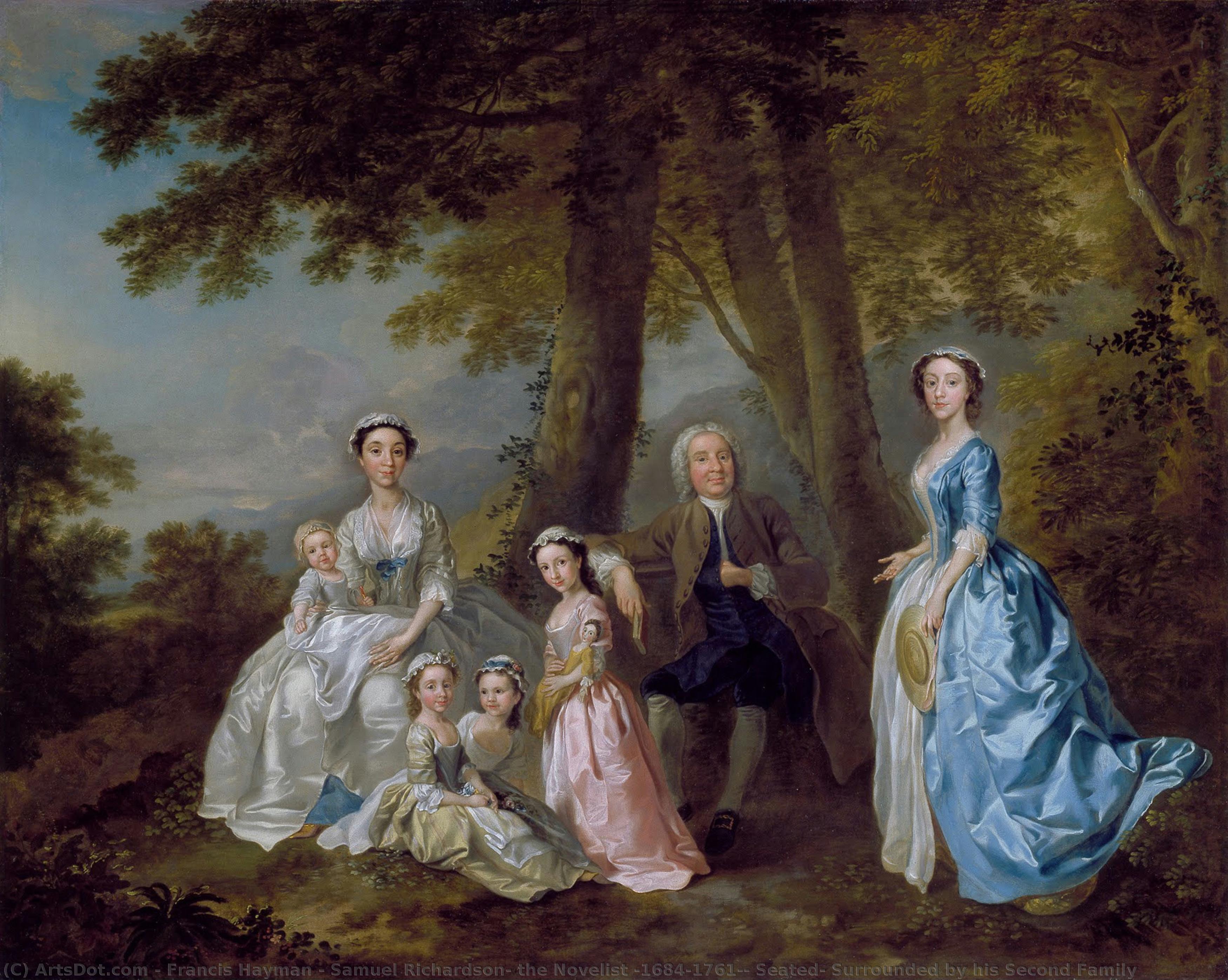
Samuel Richardson, the Novelist (1684-1761), Seated, Surrounded by his Second Family
 Oil On Canvas
- WallArt
- Rococo Portraiture
 99.0 x 125.0 cm
 Tate Britain
 Read More
Purchase a high-resolution, enhanced digital image, far superior to the online preview.
Each file is meticulously prepared by our in-house specialists using advanced tools and expert manual retouching. We ensure every image has exceptional clarity, precise color accuracy, and fine detail.
The final file is delivered via email within 72 hours, optimized for immediate use in professional, editorial, and print environments. This is the same quality trusted by top-tier design studios, publishers, and galleries.
Digital Image
Download a high-resolution file for personal display, printing, and creative projects. ( Buy Print Buy Hand Made Painting)
Included in Every Digital Image Order
Expert Digital Delivery, Guaranteed
When you choose ArtsDot.com, you're not just getting an image - you're receiving a professionally enhanced digital artwork, crafted with precision and backed by a satisfaction guarantee. Here's everything that comes with your order, automatically:

Fast Email Delivery
Your high-resolution digital image file will be emailed to you within 72 hours of ordering - ready for immediate use.

AI-Enhanced Digital File
Your artwork is professionally optimized using advanced AI tools and manual editing, ensuring maximum detail, clarity, and color accuracy.

Free Lifetime Re-Delivery
Accidentally deleted or lost your file? No worries - we'll resend it to you anytime, free of charge.

No Import Fees - Ever
Enjoy your artwork instantly with zero customs, duties, or delivery fees - digital downloads are always tax-free.

Color Accuracy Guarantee
We ensure your digital image reflects the original colors as closely as possible using professional tools and color management.

60-Day Satisfaction Guarantee
If you're not satisfied with your digital image, we'll revise it or refund 100% within 60 days - no questions asked.

100% Money-Back Guarantee
Not satisfied? Get a full refund within 60 days of receiving your digital file - no questions asked.

Bulk Order Discounts
Buy 3 images, save 10% - Buy 5, save 15% - Buy 10+, save 20%. Great for creative projects, galleries, and agencies.
Collectible Description
Samuel Richardson’s Second Family: A Window into Georgian Society
Francis Hayman's "Samuel Richardson, the Novelist (1684-1761), Seated, Surrounded by his Second Family" is more than just a portrait; it’s a meticulously crafted tableau vivant capturing a pivotal moment in 18th-century British life. Painted in 1740, this oil on canvas offers an intimate glimpse into the world of Samuel Richardson, the celebrated author whose epistolary novels – *Pamela*, *Clarissa*, and *Sir Charles Grandison* – captivated audiences and propelled him to overnight literary fame. Hayman’s masterful handling of light, shadow, and composition transforms a simple family gathering into a scene brimming with social commentary and emotional resonance. The painting isn't merely documenting Richardson; it’s presenting him as a man profoundly shaped by his experiences, particularly the tragic loss of his first wife and children, and subsequently finding solace and companionship in a new circle of affection.The Rococo Influence and Hayman’s Artistic Style
Hayman was a key figure in establishing the Royal Academy, and his work exemplifies the refined elegance of the Rococo style that dominated British art during this period. Notice the soft, diffused lighting – characteristic of the movement – bathing the scene in a warm, inviting glow. The figures are rendered with a delicate touch, their clothing adorned with luxurious fabrics and intricate details, reflecting the wealth and status of the era. Hayman’s brushwork is remarkably smooth and blended, creating an almost dreamlike quality to the composition. He skillfully employed techniques borrowed from Boucher and Fragonard, injecting a sense of playful charm into what could have been a staid formal portrait. The arrangement of the figures – Richardson seated centrally, surrounded by his second family and a friend – speaks to Hayman’s understanding of group dynamics and his ability to capture fleeting moments of connection and intimacy.A Portrait of Literary Success and Personal Loss
The painting's subject matter is deeply intertwined with Richardson’s personal history. Following the devastating loss of his first wife and six children, Richardson found renewed happiness in a second marriage to Elizabeth Leake. This portrait celebrates that new chapter in his life, depicting him surrounded by his young family and a close friend – likely a member of his publishing circle. The inclusion of the children subtly hints at the enduring legacy of his previous tragedy, while simultaneously emphasizing the hope and joy he found in building a new life. The relaxed posture of Richardson, coupled with the gentle smiles on the faces of those around him, suggests a sense of contentment and security – a far cry from the grief that had once consumed him. The painting is not simply a celebration of literary success; it’s a poignant reflection on resilience and the transformative power of love.Symbolism and Social Commentary
Beyond its immediate depiction of a family gathering, "Samuel Richardson, the Novelist" offers subtle layers of social commentary. The opulent clothing and furnishings speak to the wealth and privilege enjoyed by the upper classes, while the presence of children underscores the importance of family and lineage. The arrangement of figures also subtly reinforces societal hierarchies – Richardson is clearly the central figure, commanding attention and respect. The inclusion of a friend suggests the vital role of social connections in shaping an individual’s life and career. Furthermore, the very act of commissioning such a portrait highlights the growing emphasis on celebrity culture and the desire to immortalize prominent figures within society.A Timeless Masterpiece for Reproduction
Reproductions of "Samuel Richardson, the Novelist" capture the painting's remarkable detail and evocative atmosphere with stunning fidelity. Whether displayed in a grand salon or a more intimate setting, this artwork offers a captivating glimpse into Georgian England – a world of literary innovation, social ambition, and profound personal experiences. The piece’s enduring appeal lies not only in its artistic merit but also in its ability to resonate with viewers on an emotional level, reminding us of the universal themes of love, loss, and the pursuit of happiness. It remains a testament to Francis Hayman's skill as a portraitist and his keen understanding of human nature.Related Artworks
![Legend Of St Francis - [02] - St Francis Giving His Mantle To A Poor Man — Giotto Di Bondone, Gothic](/media/artworks/images/thumbnails/5d/05/5d05526e699746d995f6612041029121.jpg)
![Legend Of St Francis - [16] - Death Of The Knight Of Celano — Giotto Di Bondone, Proto Renaissance](/media/artworks/images/thumbnails/83/59/83593bb19f4241089d593124079fe901.jpg)
![Legend Of St Francis - [08] - Vision Of The Flaming Chariot — Giotto Di Bondone, Gothic And Proto-renaissance](/media/artworks/images/thumbnails/eb/77/eb7783794fc14b45848c95d6a54baff3.jpg)
![Life Of Saint Francis - [01] - Stigmatization Of Saint Francis — Giotto Di Bondone, Early Renaissance](/media/artworks/images/thumbnails/68/e7/68e773fce913428a98b163c2afe68ed8.jpg)

![Legend Of St Francis - [21] - Apparition To Fra Agostino And To Bishop Guido Of Arezzo — Giotto Di Bondone, Proto-renaissance](/media/artworks/images/thumbnails/1f/a3/1fa370e8ba2040d380a682d61260727f.jpg)
![Legend Of St Francis - [11] - St Francis Before The Sultan (trial By Fire) — Giotto Di Bondone, Proto-renaissance](/media/artworks/images/thumbnails/34/e5/34e5f366254d43269d81112c719a6f9f.jpg)
![Legend Of St Francis - [24] - Canonization Of St Francis — Giotto Di Bondone, Gothic](/media/artworks/images/thumbnails/46/25/46258ba5eea24e14b12f138b9d3f90a3.jpg)
![Life Of Saint Francis - [04] - Death And Ascension Of St Francis — Giotto Di Bondone, Italian Renaissance](/media/artworks/images/thumbnails/e8/b6/e8b63a7fcb4a42ab89d26ae343d6f757.jpg)
Artist Biography
The Dramatic Vision of Francis Hayman
In the vibrant, shifting landscape of eighteenth-century British art, few figures possessed the versatile brilliance of Francis Hayman. Born in Exeter in 1708, Hayman did not merely observe the cultural evolution of his era; he actively shaped its visual language. His journey began far from the refined galleries of London, rooted instead in the ephemeral and high-stakes world of theatrical scenery. This early immersion in the dramatic arts provided him with a unique advantage, instilling a profound understanding of composition, light, and narrative tension that would later define his mastery of the Rococo style. As he transitioned from a scenic painter to an independent artist in St Martin's Lane, Hayman brought with him a storyteller’s soul, capable of transforming a static canvas into a window onto a theatrical moment.
The aesthetic essence of Hayman’s work is deeply intertwined with the Rococo movement, an era characterized by grace, ornament, and a certain lighthearted elegance. Drawing inspiration from the opulent French masters such as François Boucher, Hayman embraced a palette of delicate pastels and fluid, rhythmic brushstrokes. Yet, his work was never purely decorative; it possessed a structural integrity informed by classical ideals. Through his connection to the burgeoning intellectual circles of London, he integrated a sense of proportion and form that allowed his portraits to transcend mere likeness, capturing instead the very essence of character and social standing.
A Legacy of Royal Academy and Narrative Mastery
Hayman’s historical significance is anchored by his foundational role in the establishment of the Royal Academy. As a founding member and the institution's inaugural librarian, he helped lay the groundwork for professional artistic standards in Britain. This position of influence allowed him to bridge the gap between the popular, often boisterous, entertainment of the masses and the high-minded pursuits of the academic elite. His ability to navigate these different worlds is perhaps best seen in his diverse body of work, which ranges from the monumental to the intimate.
His artistic repertoire was remarkably expansive, showcasing a talent that could pivot between genres with seamless ease:
- Theatrical and Literary Scenes: Hayman possessed a rare ability to breathe life into literature, creating evocative depictions of Shakespearean drama and lively scenes from Don Quixote, such as the spirited moment of the innkeeper knighting the knight.
- Portraiture: He became a sought-after chronicler of his age, capturing the charisma of legendary actors like David Garrick and the aristocratic elegance of figures such as Dr. Charles Chauncey, MD.
- Decorative Commissions: His work for the Vauxhall Pleasure Gardens demonstrated his skill in large-scale storytelling, where he used art to enhance the public's sensory experience of leisure and joy.
- Biblical and Mythological Themes: Through works like The Good Samaritan, Hayman utilized his Rococo sensibilities to explore profound themes of compassion, charity, and divine interaction.
Ultimately, the life of Francis Hayman was a testament to the power of visual storytelling. By blending the theatricality of the stage with the refined elegance of the Rococo, he created a body of work that remains a vital window into the Enlightenment era. His legacy persists not only in the canvases that bear his name but in the very structure of British art history, marking him as a true pioneer who helped elevate the status of the painter from craftsman to academic master.
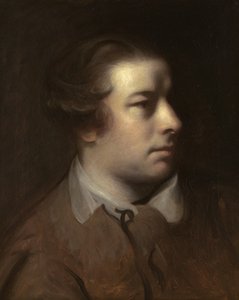
Francis Hayman
1708 - 1776 , United Kingdom
Quick Facts
- Artistic Movement Or Style: Rococo, Portraiture
- Artists Or Movements Influenced By This Artist: ['Gainsborough']
- Artists Who Influenced This Artist: ['Joshua Reynolds']
- Date Of Birth: 1708, Exeter
- Date Of Death: 1776, London
- Full Name: Francis Hayman
- Nationality: English
- Notable Artworks:
- Hamlet Scene
- Dancing Milkmaids
- Wapping Landlady
- Place Of Birth: Exeter, UK

