 Preview
 Send
Send Share
Share
 Details

 Download
 Similars
 X-Ray
X-Ray Diaporama
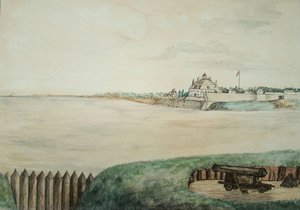
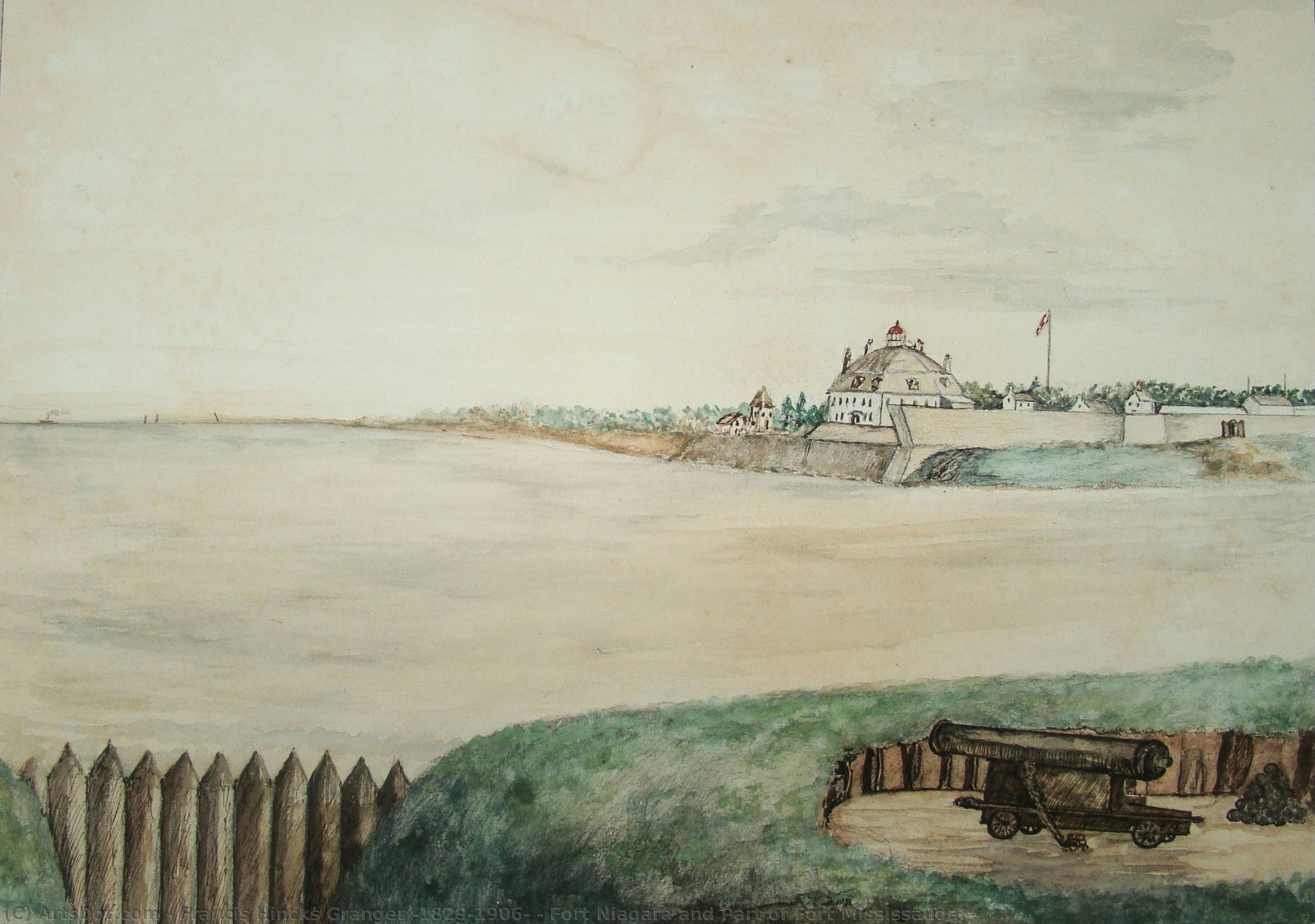
Fort Niagara and Part of Fort Mississauga.

 Read More
Giclée / Art Print
Museum-quality giclée or canvas print with fast production and flexible finish options. ( Buy Hand Made Painting Buy Image)




































Pick from our preset sizes that match the artwork's original proportions.

You may enter your own dimensions to fit a specific frame or space. If your selected size does not match the original image's proportions, we will either crop the artwork or extend the image with a mirrored or solid-fill edge. A digital mockup will be sent for your approval before production begins.
Please note that the on-screen preview does not reflect the actual cropping or extension. Only the mockup will accurately show the final composition.
While custom sizes are available, we recommend selecting a dimension from the predefined list to preserve the original proportions.
Worldwide Delivery () in 2 weeks instead of standard 4/5 weeks. (5 September)

Free Worldwide Express Shipping

High-Quality Linen Canvas

Full Shipping Insurance

Customs Tax Refund Guarantee

True Color Matching Guarantee

60-Day Return Policy (Defects Only)

100% Money-Back Guarantee

Bulk Discount Offer
 Glass option is only available in size under 110 CM

Fort Niagara and Part of Fort Mississauga.
Giclée / Art Print
Reproduction Size
-


Total Price
$ 63
Related Artworks









Artist Biography
A Chronicler of a Vanishing Niagara: The Life and Art of Francis Hincks Granger
Francis Hincks Granger, born in Toronto, Canada in 1829 and passing away in 1906, occupies a unique niche within the landscape of 19th-century Canadian art. He wasn’t a painter striving for grand allegorical statements or revolutionary stylistic breakthroughs; rather, he was a meticulous observer, a dedicated recorder of a specific place – Niagara-on-the-Lake – and, crucially, a preserver of its fleeting architectural heritage. His work offers a poignant glimpse into a town undergoing transformation, capturing buildings and scenes that would soon fade from existence, becoming memories rendered in delicate watercolour and ink. Granger’s artistic journey wasn't one of meteoric rise or widespread acclaim, but a steady dedication to his craft and a deep connection to the locale he called home.Early Training and Artistic Foundations
Granger received formal training at the American Institute of Art in New York City between 1845 and 1847. This period was formative, exposing him to contemporary artistic trends and honing his skills in pen-and-ink sketching and watercolour painting. While details about his specific instructors or influences during this time remain scarce, it’s evident that he developed a strong foundation in draftsmanship and an aptitude for capturing detail. His early works exhibited at the Institute suggest a leaning towards topographical studies – precise renderings of landscapes and architectural elements. This inclination would become a defining characteristic of his mature style. Upon returning to Canada, Granger settled in Niagara-on-the-Lake in 1854, a decision that profoundly shaped the trajectory of his artistic career. The town, steeped in history and possessing a unique visual character, provided him with an inexhaustible source of inspiration.A Town in Transition: Granger’s Subject Matter
Niagara-on-the-Lake in the mid-19th century was a town grappling with change. The economic boom fueled by its strategic location and burgeoning tourism industry was accompanied by rapid development, leading to the demolition of older structures and the construction of new ones. It’s within this context that Granger's work takes on particular significance. He didn’t simply paint picturesque scenes; he documented a town in flux, meticulously recording buildings that were soon to disappear. His paintings are not merely representations of architecture but elegies for a vanishing past. Many of his subjects – hotels, theatres, and private residences – reflect the prosperity and social life of the era. However, it’s the inclusion of structures lost to time that elevates his work beyond mere documentation. He became, in essence, an unofficial chronicler of Niagara-on-the-Lake's architectural history, preserving a visual record for future generations.Technique and Style: Precision and Nostalgia
Granger’s artistic style is characterized by its precision, detail, and subtle use of colour. He favoured watercolour as his primary medium, employing delicate washes and fine brushwork to create luminous and atmospheric effects. His pen-and-ink sketches, often serving as preliminary studies for larger paintings, demonstrate a remarkable attention to architectural details – the intricate carvings on facades, the patterns of brickwork, the proportions of windows and doors. While not overtly dramatic or expressive, his work possesses a quiet dignity and a sense of nostalgia. He wasn’t interested in imposing his own artistic vision onto the landscape but rather in faithfully representing what he saw before him. This commitment to accuracy, combined with his sensitive use of colour and light, creates paintings that are both visually appealing and historically valuable. His livelihood was not solely dependent on fine art sales; he also worked as a scenic artist for the Royal Lyceum Theatre, demonstrating versatility and adaptability in his artistic pursuits. A commission from former museum curator Janet Carnochan to create pieces for display further solidified his role within the local cultural landscape.Legacy and Historical Significance
Francis Hincks Granger’s legacy lies not in groundbreaking innovation but in his dedication to preserving a specific time and place. His paintings offer invaluable insights into the architectural history of Niagara-on-the-Lake, providing a visual record of buildings that would otherwise be lost to memory. While he may not have achieved widespread recognition during his lifetime, his work has gained increasing appreciation in recent years as scholars and art enthusiasts recognize its historical significance. He stands as a testament to the importance of local artists and their role in documenting and preserving cultural heritage. His paintings are more than just beautiful images; they are windows into the past, offering a poignant reminder of the fleeting nature of time and the enduring power of art to capture and commemorate our shared history. Granger’s work continues to resonate with those who seek to understand and appreciate the rich architectural legacy of Niagara-on-the-Lake.
francis hincks granger (1829-1906)
1829 - 1906 , Canada
Quick Facts
- Artistic Movement Or Style: Watercolour, Scenic Art
- Date Of Birth: 1829
- Date Of Death: 1906
- Full Name: Francis Hincks Granger
- Nationality: Canadian
- Notable Artworks:
- Fort Niagara and Part...
- Buildings (lost)
- Place Of Birth: Toronto, Canada