 Preview
 Send
Send Share
Share
 Details

 Download
 Similars
 X-Ray
X-Ray Diaporama
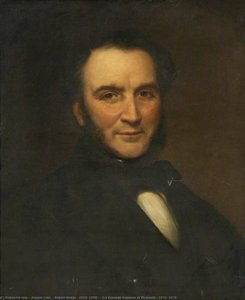
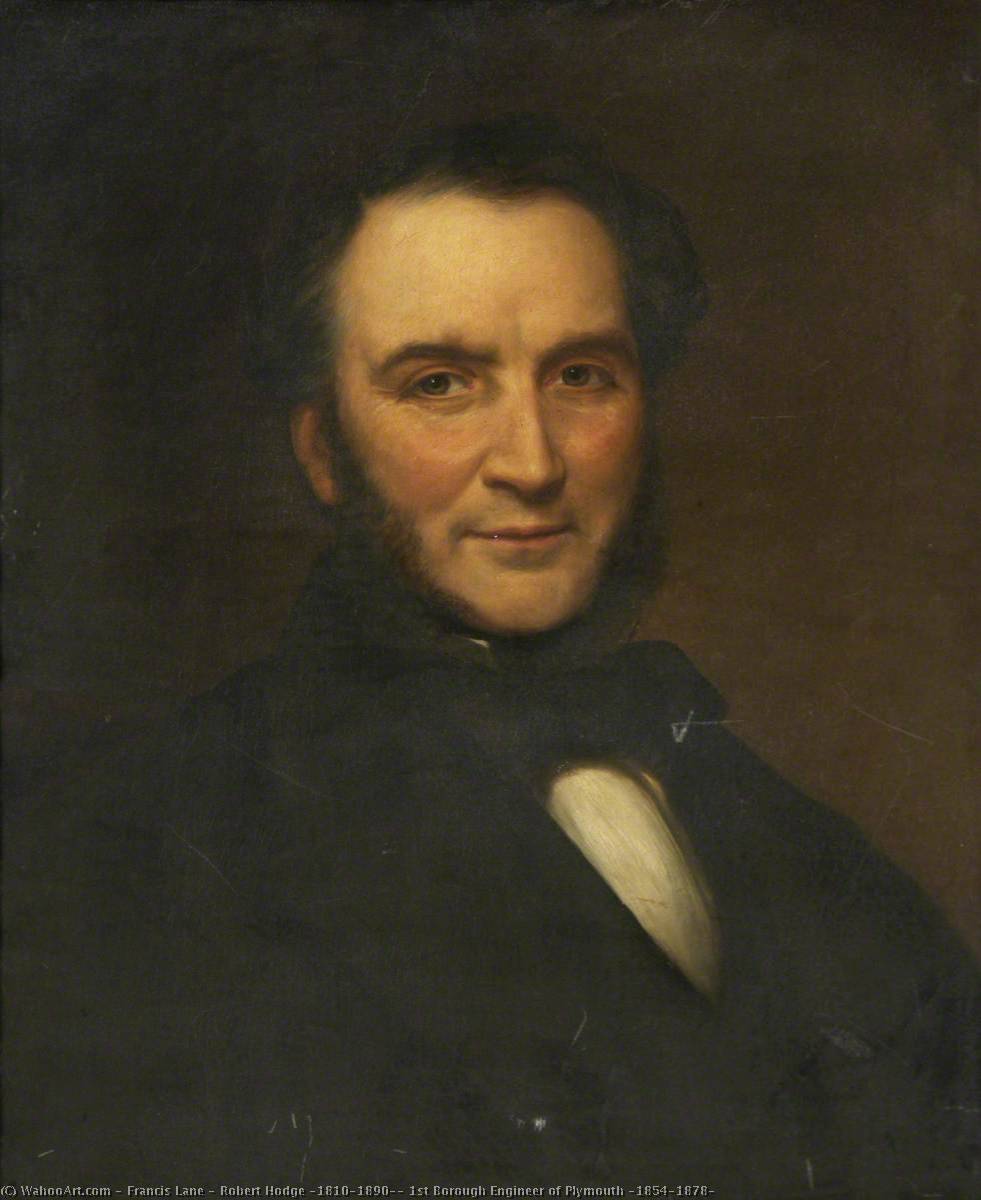
Robert Hodge (1810–1890), 1st Borough Engineer of Plymouth (1854–1878)
 1864
1864 55.0 x 45.0 cm
 Read More
Giclée / Art Print
Museum-quality giclée or canvas print with fast production and flexible finish options. ( Buy Hand Made Painting Buy Image)




































Pick from our preset sizes that match the artwork's original proportions.

You may enter your own dimensions to fit a specific frame or space. If your selected size does not match the original image's proportions, we will either crop the artwork or extend the image with a mirrored or solid-fill edge. A digital mockup will be sent for your approval before production begins.
Please note that the on-screen preview does not reflect the actual cropping or extension. Only the mockup will accurately show the final composition.
While custom sizes are available, we recommend selecting a dimension from the predefined list to preserve the original proportions.
Worldwide Delivery () in 2 weeks instead of standard 4/5 weeks. (27 August)

Free Worldwide Express Shipping

High-Quality Linen Canvas

Full Shipping Insurance

Customs Tax Refund Guarantee

True Color Matching Guarantee

60-Day Return Policy (Defects Only)

100% Money-Back Guarantee

Bulk Discount Offer
 Glass option is only available in size under 110 CM

Robert Hodge (1810–1890), 1st Borough Engineer of Plymouth (1854–1878)
Giclée / Art Print
Reproduction Size
-


Total Price
$ 63
Related Artworks









Artist Biography
The Enigmatic Vision of Francis Lane
Francis Lane remains one of the most captivating enigmas in the annals of Victorian portraiture, a figure whose presence is felt through his haunting canvases yet whose personal history remains shrouded in a profound, intentional shadow. Active for a brief but intense period between 1864 and 1870, Lane emerged from Dublin, Ireland, to leave an indelible mark on the English artistic landscape. There is a persistent mystery surrounding his identity; some historical traces suggest he may have operated under the name Arthur Lane, appearing in various records as an actor. This duality between the public performer and the private painter suggests a man who understood the power of masks, a theme that would later manifest in the psychological depth of his oil paintings.
His work, though limited in quantity to approximately thirty known portraits, possesses a weight and emotional gravity that far exceeds its chronological scope. While many of his contemporaries were preoccupied with the meticulous, photographic realism demanded by the Victorian era, Lane sought something much more elusive. He turned his gaze inward, utilizing oil on canvas to explore the turbulent landscapes of the human psyche. His technique was strikingly ahead of its time, characterized by a muted, somber palette and a deliberate flattening of perspective that stripped away the distractions of the physical world to reveal the raw, emotional truth beneath.
A Precursor to Expressionism
To study Lane’s development is to witness the early tremors of movements that would not fully coalesce for decades. His approach leaned heavily toward Symbolism and Expressionism, creating a bridge between the classical traditions of the past and the modern anxieties of the future. Rather than merely capturing the likeness of his subjects, Lane sought to capture their essence—often an unsettling or ambiguous essence that left viewers questioning the stability of the sitter's mind. This preoccupation with psychological states aligns his spirit with later masters such as Edvard Munch and Paula Modersohn-Becker.
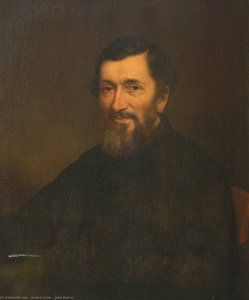
The symbolic language within his work serves as a window into a darker, more introspective consciousness. His canvases frequently incorporate imagery that feels both dreamlike and deeply unsettling, reflecting a fascination with the subconscious. This is perhaps most evident in his notable depictions of figures such as Robert Hodge, the 1st Borough Engineer of Plymouth, and John Harvey. In these portraits, the subjects are not merely presented as prominent citizens of their time, but as vessels for profound emotional narratives, rendered with a solemnity that borders on the spiritual.
Legacy and the Introspective Gaze
Though Lane’s career was cut short by his disappearance from the artistic record after 1870, his influence continues to resonate within the study of figurative art. He is increasingly recognized by scholars not merely as a minor Victorian painter, but as a pioneering figure who dared to explore emotional realism long before it became a cornerstone of modern art. His ability to infuse the human form with such intense, often haunting, psychological depth marks him as an essential precursor to the Expressionist movement.
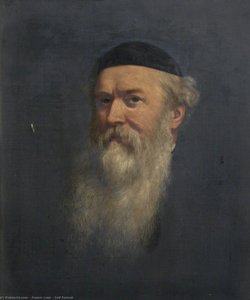
The most poignant testament to his enduring legacy is found in his Self Portrait. In this work, the artist removes the mask of the actor and presents a glimpse into his own introspective gaze. It is a piece that encapsulates his entire artistic philosophy: a confrontation with the self, rendered through a lens of profound vulnerability and stylistic innovation. Through this single, haunting image, we are reminded that while Lane may have lived in the shadows, his vision remains vibrantly, and sometimes disturbingly, alive.
Quick Facts
- Artistic Movement Or Style: Romanticism
- Artists Or Movements Influenced By This Artist: ['Robert Hodge']
- Artists Who Influenced This Artist: ['John Harvey']
- Date Of Death: 1870
- Full Name: Francis Lane
- Nationality: British
- Notable Artworks: ['Self Portrait']
- Place Of Birth: Plymouth, England