

 Preview
 Send
Send Share
Share
 Details

 Download
 Similars
 X-Ray
X-Ray Diaporama
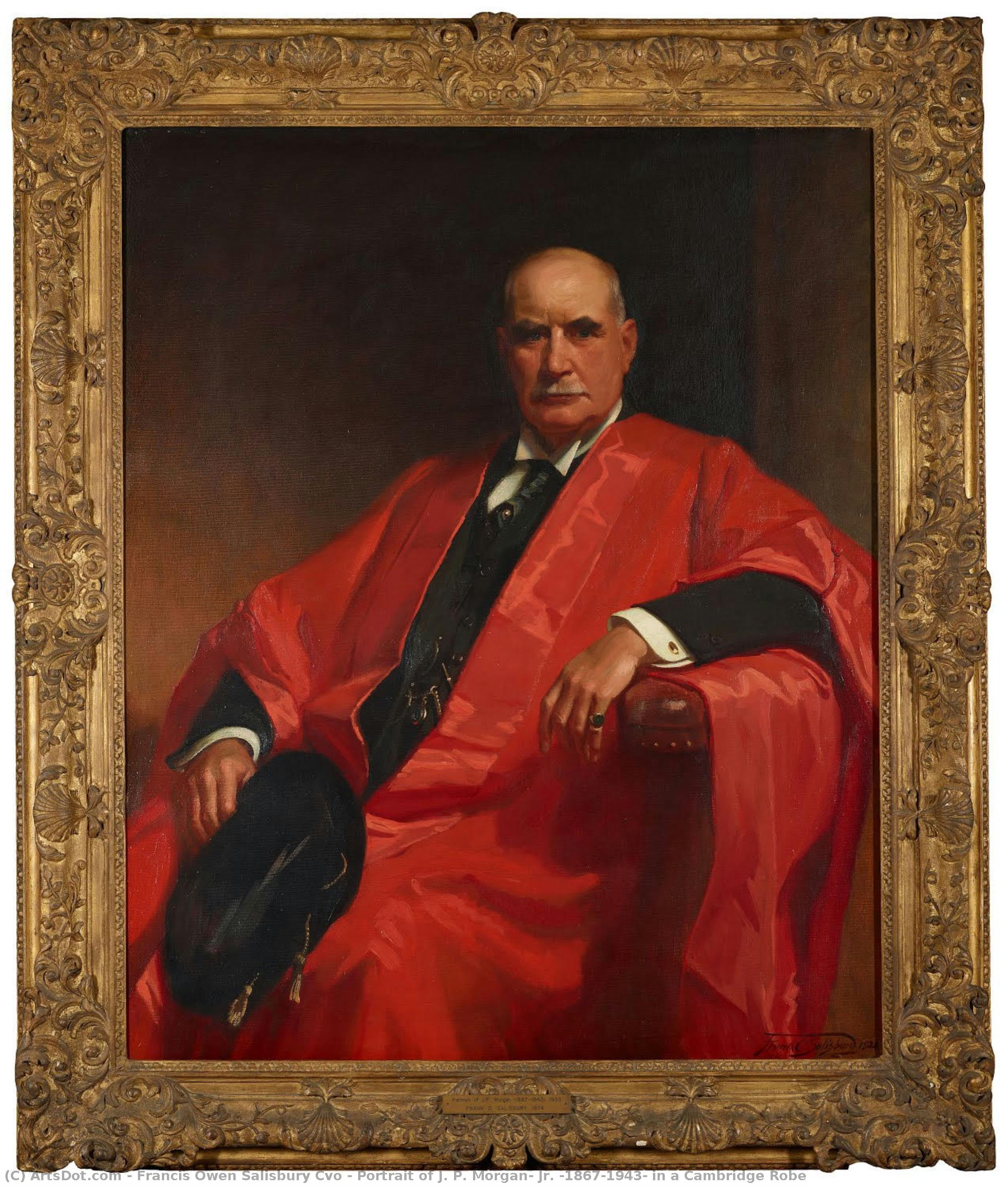
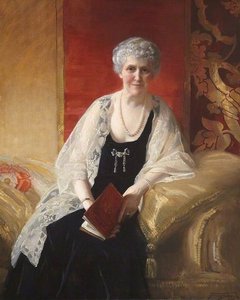
Portrait of J. P. Morgan, Jr. (1867–1943) in a Cambridge Robe
 1934
1934 123.0 x 100.0 cm
 Read More
Purchase a high-resolution, enhanced digital image, far superior to the online preview.
Each file is meticulously prepared by our in-house specialists using advanced tools and expert manual retouching. We ensure every image has exceptional clarity, precise color accuracy, and fine detail.
The final file is delivered via email within 72 hours, optimized for immediate use in professional, editorial, and print environments. This is the same quality trusted by top-tier design studios, publishers, and galleries.
Digital Image
Download a high-resolution file for personal display, printing, and creative projects. ( Buy Print Buy Hand Made Painting)
Included in Every Digital Image Order
Expert Digital Delivery, Guaranteed
When you choose ArtsDot.com, you're not just getting an image - you're receiving a professionally enhanced digital artwork, crafted with precision and backed by a satisfaction guarantee. Here's everything that comes with your order, automatically:

Fast Email Delivery
Your high-resolution digital image file will be emailed to you within 72 hours of ordering - ready for immediate use.

AI-Enhanced Digital File
Your artwork is professionally optimized using advanced AI tools and manual editing, ensuring maximum detail, clarity, and color accuracy.

Free Lifetime Re-Delivery
Accidentally deleted or lost your file? No worries - we'll resend it to you anytime, free of charge.

No Import Fees - Ever
Enjoy your artwork instantly with zero customs, duties, or delivery fees - digital downloads are always tax-free.

Color Accuracy Guarantee
We ensure your digital image reflects the original colors as closely as possible using professional tools and color management.

60-Day Satisfaction Guarantee
If you're not satisfied with your digital image, we'll revise it or refund 100% within 60 days - no questions asked.

100% Money-Back Guarantee
Not satisfied? Get a full refund within 60 days of receiving your digital file - no questions asked.

Bulk Order Discounts
Buy 3 images, save 10% - Buy 5, save 15% - Buy 10+, save 20%. Great for creative projects, galleries, and agencies.
Related Artworks







Artist Biography
A Life in Portraits: The Ascendancy of Francis Owen Salisbury
Francis Owen Salisbury, known to many as “Britain’s Painter Laureate,” was a figure whose career unfolded against the backdrop of shifting artistic tides – a steadfast traditionalist who achieved remarkable success even as modernism challenged established norms. Born in 1874 in Harpenden, Hertfordshire, his early life offered little indication of the prominence he would attain. The son of a plumber and glazier, young Francis initially assisted in his father’s bicycle repair shop, a humble beginning that belied the artistic talent simmering beneath the surface. His path toward painting wasn't immediate; an apprenticeship with his brother’s stained glass company proved pivotal, honing his meticulous attention to detail and fostering a deep understanding of color and light – skills that would become hallmarks of his mature style. This practical grounding, coupled with encouragement from family, led him to Heatherley’s School of Art and subsequently the prestigious Royal Academy Schools, where he received formal training alongside luminaries like Edwin Austin Abbey and John Singer Sargent.From Stained Glass to Society Canvas
Salisbury's artistic journey began modestly, with commissions for portraits of local gentry and members of his Methodist community. However, a fortuitous encounter with Lord Wakefield, a philanthropist and founder of Castrol, proved transformative. Wakefield’s patronage opened doors to the upper echelons of British society, providing Salisbury access to an increasingly influential clientele. His speed in portraiture became legendary – attributed to a daily practice of painting his twin daughters, honing his ability to capture likeness with remarkable efficiency. This skill, combined with a natural talent for flattery and a keen understanding of social dynamics, quickly established him as a sought-after portraitist. The pivotal commission of Boy Cornwell during the Battle of Jutland brought him national recognition, followed by an invitation to paint President Woodrow Wilson (though this opportunity ultimately fell through). It was John W. Davis, the American Ambassador to London, who truly propelled Salisbury onto the international stage, encouraging him to seek commissions in the United States.A Transatlantic Triumph and a Conservative Vision
Salisbury’s arrival in America marked the zenith of his career. He established studios in Washington D.C., Chicago, and New York, rapidly gaining favor among the nation's wealthiest families. His portraits became synonymous with status and prestige, capturing not just physical resemblance but also an idealized vision of power and prosperity. Remarkably, he painted six U.S. Presidents, including a portrait of Franklin D. Roosevelt that remains the official White House depiction to this day. Simultaneously, Salisbury continued to thrive in England, painting twenty-five members of the Royal Family – becoming the first artist to paint Queen Elizabeth II. Despite his commercial success, Salisbury remained a staunch conservative in his artistic beliefs. He was a vocal critic of modern art movements like Cubism and Surrealism, dismissing contemporaries such as Picasso, Chagall, and Mondrian with undisguised disdain. His unwavering commitment to traditional techniques and representational painting set him apart from the avant-garde, solidifying his position as a champion of classical artistry.Beyond Portraits: Murals, Ceremonial Paintings & Lasting Legacy
While celebrated primarily for his portraits, Salisbury’s artistic output extended beyond canvas. He undertook numerous large-scale murals depicting historical and ceremonial events, including the Coronation of King George VI and Queen Elizabeth in 1937, and a series of canvases commemorating military achievements. These works demonstrate his ability to orchestrate complex compositions and capture the grandeur of significant national moments. His stained glass work, often overlooked, reveals the foundational skills that underpinned his entire artistic practice. Salisbury’s home, Sarum Chase – a neo-Tudor mansion he built in Hampstead – served as both studio and salon, becoming a gathering place for prominent figures from art, politics, and society. He died in 1962, leaving behind a vast body of work that reflects the tastes and values of a bygone era. His legacy is complex: a testament to the enduring appeal of traditional artistry, but also a reminder of the often-contentious relationship between artistic innovation and established convention. Salisbury’s portraits continue to captivate viewers with their technical brilliance and evocative power, offering a glimpse into the lives of those who shaped the 20th century.Key Achievements & Historical Significance
- Became known as “Britain’s Painter Laureate” during his lifetime.
- Painted portraits of six U.S. Presidents, including the official White House portrait of Franklin D. Roosevelt.
- Created portraits of twenty-five members of the British Royal Family, and was the first artist to paint Queen Elizabeth II.
- Undertook numerous large-scale murals depicting historical and ceremonial events.
- Remained a steadfast advocate for traditional artistic techniques in an era of rapid change.
francis owen salisbury cvo
1874 - 1962 , United Kingdom
Quick Facts
- Artistic Movement Or Style: Conservative Portraiture
- Date Of Birth: 1874
- Date Of Death: 1962
- Full Name: Francis Owen Salisbury CVO
- Nationality: English
- Notable Artworks:
- Portraits of Royalty
- Historical murals
- Ceremonial events
- Place Of Birth: Farnham, United Kingdom

