 Preview
 Send
Send Share
Share
 Details

 Download
 Similars
 X-Ray
X-Ray Diaporama
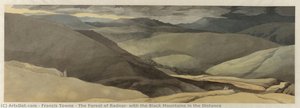
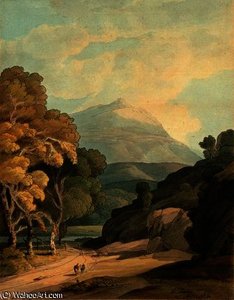
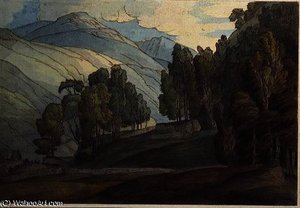
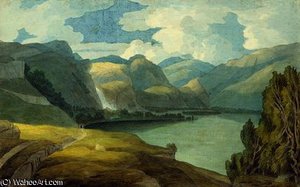
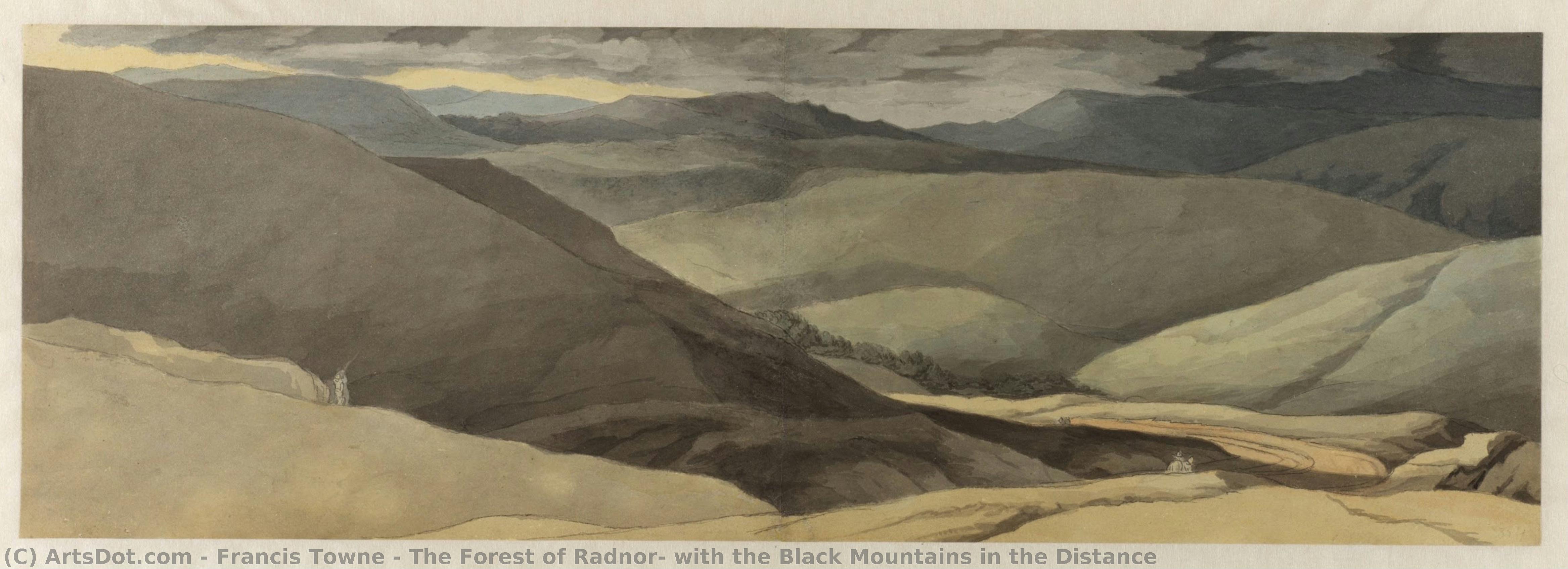
The Forest of Radnor, with the Black Mountains in the Distance
 Watercolor
- WallArt
- Landscape Painting
 1810
1810- 19th Century
 17.0 x 50.0 cm
 Courtauld Gallery
 Read More
Hand Made Oil Reproduction
Hand-painted oil on canvas in your size and frame, made to order by our artists. ( Buy Print Buy Image)




P118B $10

P118H $10

P118W $10

P438Z $10

P508JH $12

P508YH $12

P805H $10

P805Z $10

P919BZ $10

P919G $10

P919XJ $10

P959ZH $10

P968JZ $12

W106C $8

W218G $10

W218JH $8

W218Y $10

W307PJ $10

W316G $10

W316PJ $8

W316Y $10

W398PJ $8

W4111J $10

W500HY $15

W500JH $15

W692G $12

W849H $8

W940BG $15

W953PJ $8




Pick from our preset sizes that match the artwork's original proportions.

You may enter your own dimensions to fit a specific frame or space. If your selected size does not match the original image's proportions, we will either crop the artwork or extend the painting with additional hand-painted elements. A digital mockup will be sent for your approval before production begins.
Please note that the on-screen preview does not reflect the actual cropping or extension. Only the mockup will accurately show the final composition.
While custom sizes are available, we recommend selecting a dimension from the predefined list to preserve the original proportions.
After order, ArtsDot.com team will email client for instructions and provide a mockup preview
Worldwide Delivery () in 3/4 weeks instead of standard 5 weeks. (16 August). No compromise on quality.

Free Worldwide Express Shipping

High-Quality Linen Canvas

Full Shipping Insurance

Customs Tax Refund Guarantee

True Color Matching Guarantee

60-Day Return Policy (Defects Only)

100% Money-Back Guarantee

Bulk Discount Offer
 Glass option is only available in size under 110 CM

The Forest of Radnor, with the Black Mountains in the Distance
Reproduction Medium
Reproduction Size
-


Total Price
$ 263
Artwork Description
A Serene Encounter with the Welsh Wilderness
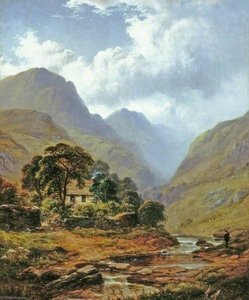
In the delicate, sweeping lines of Francis Towne’s "The Forest of Radnor, with the Black Mountains in the Distance," we are invited to step into a moment of profound stillness. Created around 1810, this exquisite work captures more than just a topographical view; it captures a feeling of quiet companionship and the vast, breathing majesty of the British landscape. The composition presents a breathtaking vista where the rugged peaks of the Black Mountains rise against the horizon, their silhouettes softened by the atmospheric haze of the Welsh countryside. Amidst this grand scale, Towne places a subtle, human element: a solitary figure perched atop a mountain ridge, accompanied by a loyal dog near the foreground. This small, intimate detail transforms the landscape from a mere geological study into a narrative of exploration and peaceful solitude, making it an ideal centerpiece for those who find solace in the untamed beauty of nature.
The technique employed here speaks to Towne’s mastery of the watercolor medium, a skill honed during his formative travels through Italy and the English Lake District. The piece possesses the ethereal quality of a sketch, yet it is imbued with a deliberate, rhythmic structure that guides the eye across the undulating terrain. There is a wonderful lightness to the brushwork, where layers of pigment create a sense of depth and aerial perspective, allowing the distant mountains to recede into a soft, dreamlike blue. For the discerning collector or interior designer, this work offers a sophisticated balance of tonal subtlety and structural elegance. It does not shout for attention but rather commands the room through its understated grace, providing a window of tranquility that can anchor a room with a sense of historical depth and pastoral charm.
The Legacy of an English Master
To possess a reproduction of this work is to hold a piece of the late Georgian era’s artistic soul. Francis Towne, though often overshadowed by his contemporaries in the Royal Academy, was a pioneer of a more stylized, pattern-oriented approach to landscape painting. His ability to distill complex natural forms into elegant, almost decorative arrangements predated many of the trends that would later define 19th-century British art. This particular work, with its panoramic breadth and intimate subject matter, serves as a testament to his "study trip" philosophy—the idea that true art is born from a deep, observational connection to the land. Whether placed in a contemporary minimalist setting or a more traditional, classic study, this painting brings with it an enduring sense of wanderlust and the timeless allure of the great outdoors.
Related Artworks
Artist Biography
The Elegant Vision of Francis Towne
In the delicate interplay of light and wash that defines the golden age of British watercolor, the name Francis Towne emerges as a figure of profound elegance and stylistic distinction. Born in Iselin in 1739, Towne’s journey from an apprentice in the London coach-painting trade to a recognized master of landscape painting is a testament to the transformative power of artistic devotion. His early life, rooted in the industrious atmosphere of Middlesex, provided him with a foundational discipline that would later manifest in his meticulous approach to color and form. Though he began his career far from the fine arts, his innate talent was quickly recognized; by 1759, he had already secured a design prize from the Society of Arts, signaling the arrival of a significant new voice in the English landscape tradition.
The evolution of Towne’s aesthetic was deeply shaped by his travels, most notably his formative journey to Italy between 1780 and 1781. This period of exploration did more than merely expose him to classical vistas; it allowed him to absorb the nuances of light and the sophisticated techniques of contemporary English watercolorists working abroad. Upon his return, his work began to reflect a unique synthesis of topographical accuracy and a more stylized, almost decorative sensibility. This "flat colourful pattern-making," as art historians have noted, aligned perfectly with the burgeoning tastes of his era, blending the rugged beauty of the British countryside—captured during study trips to Wales and the Lake District—with a refined, rhythmic grace that felt both modern and timeless.
A Legacy Rediscovered
Despite his undeniable skill, Towne’s historical trajectory was one of ebb and flow. During his lifetime, he enjoyed a respectable reputation, though he famously faced the frustration of repeated exclusions from the Royal Academy. Following his death in 1816, his name drifted into a period of relative obscurity, as the shifting tides of art history often overlooked those who did not adhere to the rigid academicism of the succeeding generations. It was not until the early 20th century that a passionate revival brought his genius back into the light. The discerning eye of collectors like Paul Oppé played a crucial role in this resurrection; by recognizing the immense value in Towne’s elegant, early manner, these collectors helped ensure that his masterpieces were preserved rather than lost to time.
Today, the significance of Francis Towne is firmly established within the canon of British art. His works are no longer mere curiosities but are celebrated treasures held in the most prestigious institutions worldwide, including:
- The British Museum, where his technical mastery is studied by scholars of watercolor.
- The Yale Center for British Art, which preserves his contribution to the landscape tradition.
- Private Collections, where his ability to evoke atmosphere through subtle washes continues to captivate enthusiasts.
The enduring appeal of Towne lies in his ability to transcend simple documentation. He did not merely paint landscapes; he composed them. Through a sophisticated use of watercolor, he captured the essence of the Devon countryside and the dramatic peaks of Wales with a sense of poetic structure. His legacy remains a vital chapter in the history of British painting, representing a moment when the landscape became a canvas for both naturalistic observation and exquisite, stylized artistry.
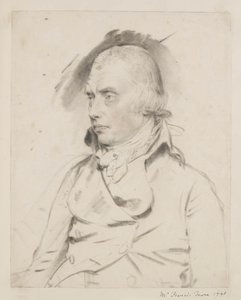
francis towne
1739 - 1816 , United Kingdom
Quick Facts
- Artistic Movement Or Style: Watercolour landscape painting
- Artists Who Influenced This Artist:
- English watercolourists
- John Shackleton
- Date Of Birth: 1739
- Date Of Death: 1816
- Full Name: Francis Towne
- Nationality: British
- Place Of Birth: Iselin, United Kingdom
Related Articles

Francis Bacon's Masterpieces: Exploring 25 Iconic Paintings | ArtsDot
Delve into the haunting world of Francis Bacon with ArtsDot. Explore 25 iconic paintings, from his visceral portraits to powerful triptychs. Discover the stories behind these masterpieces & find museum-quality art reproductions for your home. Explore the full collection online!

Beyond the Horizon: 10 Landscape Masterpieces for Your Home Decor
Journey through 10 breathtaking landscape paintings by Monet, Van Gogh & more! Explore iconic artworks, artistic techniques & find inspiration for your home decor. Museum-quality reproductions at ArtsDot.com. Discover all masterpieces on ArtsDot.com

John Constable's Masterpieces: Explore 25 Iconic Landscapes for Your Home
Journey through John Constable's 25 most celebrated landscapes. Explore Romanticism, Dedham Vale & his masterful use of light in iconic paintings like 'Hay Wain'. Find museum-quality art reproductions and elevate your home decor on ArtsDot.com.
Serene Visions: Exploring Themes of Tranquility in Art History & Contemporary Practice
Explore the history of serene landscape art & discover artists who evoke tranquility. Find the perfect calming artwork for your home with expert guidance from ArtsDot.

Evocations of Place: A Historical Journey Through Landscape Art
Explore the rich history of landscape art with ArtsDot. Discover renowned artists, movements like Impressionism & Romanticism, and expert guidance for collecting timeless pieces. Find your perfect serene escape today!