 Preview
 Send
Send Share
Share
 Details

 Download
 Similars
 X-Ray
X-Ray Diaporama
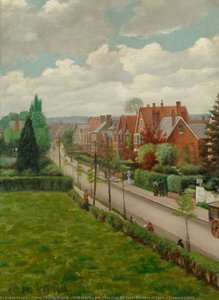
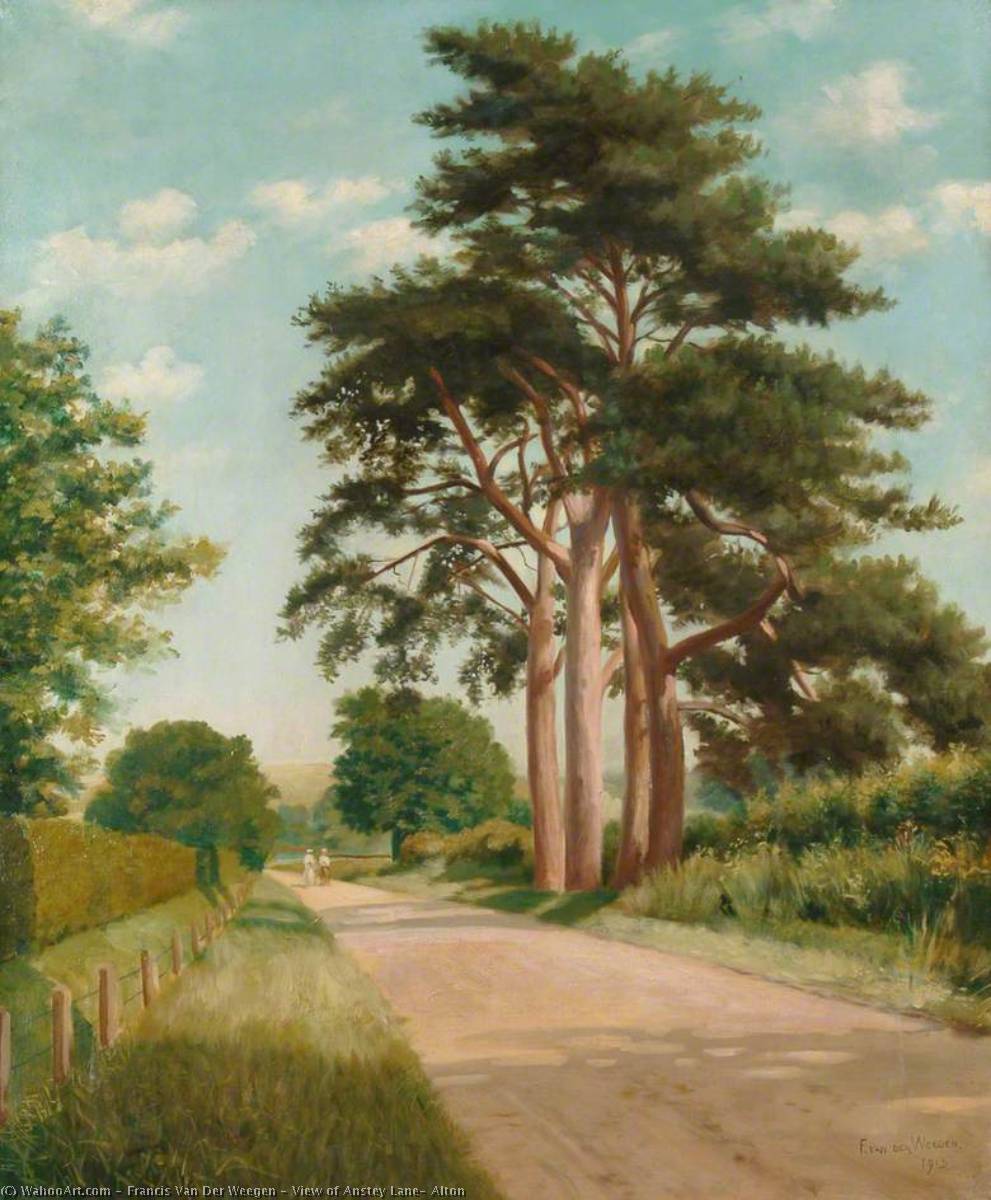
View of Anstey Lane, Alton
 1913
1913 78.0 x 63.0 cm
 Read More
Giclée / Art Print
Museum-quality giclée or canvas print with fast production and flexible finish options. ( Buy Hand Made Painting Buy Image)




































Pick from our preset sizes that match the artwork's original proportions.

You may enter your own dimensions to fit a specific frame or space. If your selected size does not match the original image's proportions, we will either crop the artwork or extend the image with a mirrored or solid-fill edge. A digital mockup will be sent for your approval before production begins.
Please note that the on-screen preview does not reflect the actual cropping or extension. Only the mockup will accurately show the final composition.
While custom sizes are available, we recommend selecting a dimension from the predefined list to preserve the original proportions.
Worldwide Delivery () in 2 weeks instead of standard 4/5 weeks. (26 August)

Free Worldwide Express Shipping

High-Quality Linen Canvas

Full Shipping Insurance

Customs Tax Refund Guarantee

True Color Matching Guarantee

60-Day Return Policy (Defects Only)

100% Money-Back Guarantee

Bulk Discount Offer
 Glass option is only available in size under 110 CM

View of Anstey Lane, Alton
Giclée / Art Print
Reproduction Size
-


Total Price
$ 63
Related Artworks









Artist Biography
Francis van der Weegen (c.1854–1930): A Pioneer of Psychological Landscape Painting
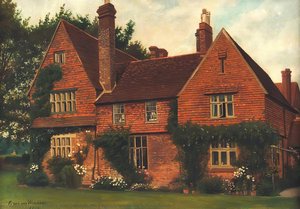
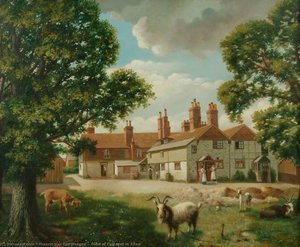
Francis van der Weegen, born around 1854 in Altona (now Hamburg), Germany, stands as a singular figure within the landscape art movement of the late nineteenth and early twentieth centuries. Unlike many contemporaries who sought to faithfully reproduce visual impressions, Van der Weegen embarked on a profoundly ambitious endeavor: to translate inner emotional states into tangible depictions of rural England – specifically Alton and Grays.
His artistic journey began with formal training in Düsseldorf’s Kunstakademie, where he honed his skills under the tutelage of Wilhelm Leibl and Anton Faigl. Leibl instilled a meticulous attention to detail and an unwavering commitment to capturing the subtleties of light and atmosphere—principles that would become hallmarks of Van der Weegen's distinctive style.
- Early Influences: The Impressionist movement, spearheaded by Monet and Renoir, undeniably shaped Van der Weegen’s initial explorations into color and brushwork. However, he swiftly transcended mere imitation, recognizing the limitations of representing subjective experience solely through optical observation.
- The Quest for Psychological Depth: Driven by a fascination with psychology—influenced by Sigmund Freud's burgeoning theories—Van der Weegen sought to convey not just what he saw but also what he felt. He meticulously studied human anatomy and physiology, striving to depict the physical manifestations of emotion within his landscapes.
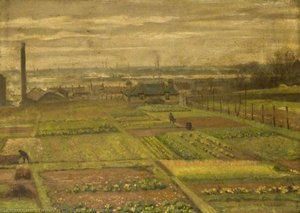
- Alton Landscapes: A Synthesis of Observation and Emotion: Van der Weegen’s Alton paintings exemplify this groundbreaking approach. Rather than presenting idealized vistas, he depicted scenes imbued with palpable tension—the encroaching darkness of impending storms, the quiet melancholy of twilight hours—reflecting a profound understanding of human vulnerability.
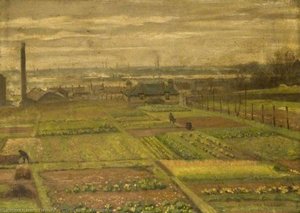
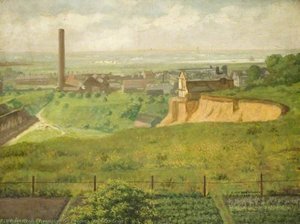
- Grays Revisited: Exploring Isolation and Remembrance: His depictions of Grays, particularly “Globe Pit,” reveal an enduring preoccupation with themes of solitude and memory. These canvases capture the desolate beauty of abandoned spaces, prompting contemplation on time’s passage and the lingering presence of past experiences.
- Legacy and Recognition: Despite facing considerable skepticism during his lifetime—many critics dismissed his work as overly sentimental—Van der Weegen gained posthumous acclaim for his pioneering contribution to landscape painting. Today, he is recognized as a visionary artist who fundamentally altered the artistic discourse surrounding psychological representation.
His enduring influence can be discerned in subsequent generations of landscape painters who embraced a more expressive and psychologically nuanced aesthetic. Francis van der Weegen’s unwavering dedication to capturing the complexities of human emotion within the natural world cemented his place as one of the most innovative and emotionally resonant figures of his era.
Quick Facts
- Artistic Movement Or Style: Realist Landscape Art
- Artists Or Movements Influenced By This Artist: ['Impressionists']
- Artists Who Influenced This Artist:
- Hugo van der Goes
- Rogier van der Weyden
- Date Of Death: 1930
- Full Name: Francis van der Weegen
- Nationality: British
- Notable Artworks:
- View of Cottages in Alton
- Globe Pit, Grays
- Place Of Birth: Alton & Grays