 Preview
 Send
Send Share
Share
 Details

 Download
 Similars
 X-Ray
X-Ray Diaporama
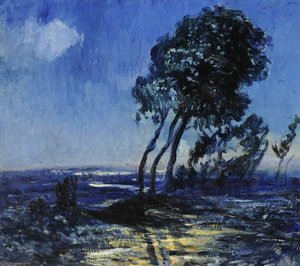
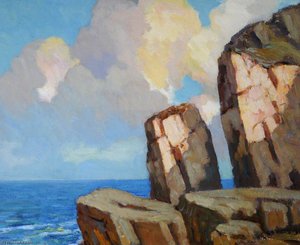
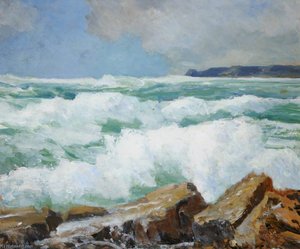
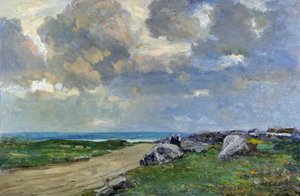
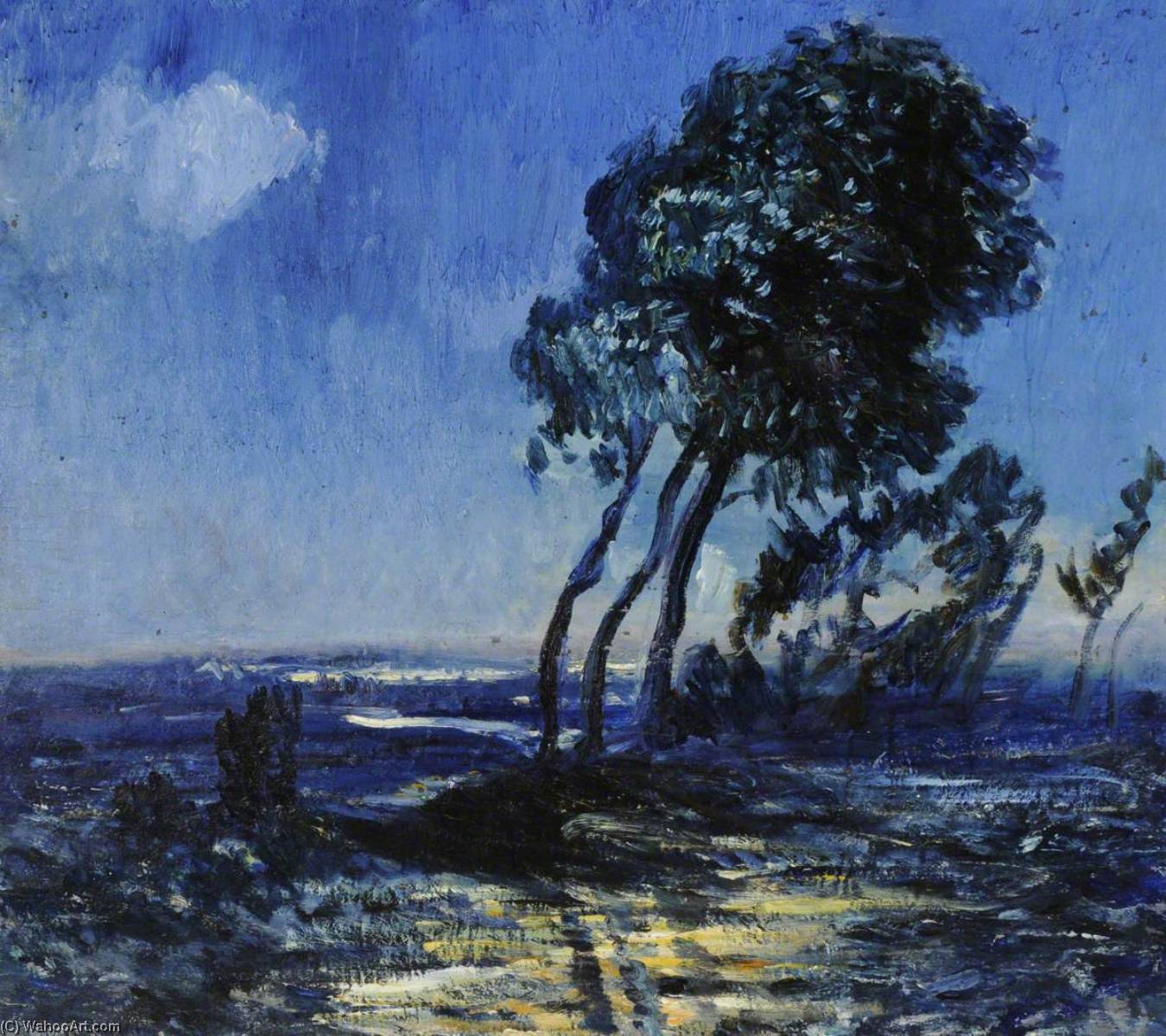
Moon behind the Clouds
 1920
1920 94.0 x 104.0 cm
 Read More
Hand Made Oil Reproduction
Hand-painted oil on canvas in your size and frame, made to order by our artists. ( Buy Print Buy Image)




































Pick from our preset sizes that match the artwork's original proportions.

You may enter your own dimensions to fit a specific frame or space. If your selected size does not match the original image's proportions, we will either crop the artwork or extend the painting with additional hand-painted elements. A digital mockup will be sent for your approval before production begins.
Please note that the on-screen preview does not reflect the actual cropping or extension. Only the mockup will accurately show the final composition.
While custom sizes are available, we recommend selecting a dimension from the predefined list to preserve the original proportions.
After order, ArtsDot.com team will email client for instructions and provide a mockup preview
Worldwide Delivery () in 3/4 weeks instead of standard 5 weeks. (16 August). No compromise on quality.

Free Worldwide Express Shipping

High-Quality Linen Canvas

Full Shipping Insurance

Customs Tax Refund Guarantee

True Color Matching Guarantee

60-Day Return Policy (Defects Only)

100% Money-Back Guarantee

Bulk Discount Offer
 Glass option is only available in size under 110 CM

Moon behind the Clouds
Reproduction Medium
Reproduction Size
-


Total Price
$ 263
Related Artworks

Artist Biography
A Life Immersed in Coastal Light: The World of Francis William Synge Le Maistre
Francis William Synge Le Maistre, though sometimes working under the pseudonym John Saint Helier Lander, was a British artist whose name became synonymous with the evocative landscapes and seascapes of the Channel Islands, particularly Jersey. Born in 1859, his life unfolded against a backdrop of shifting artistic currents, yet he remained steadfastly devoted to capturing the unique beauty of his surroundings. While biographical details remain somewhat sparse, the body of work he left behind speaks volumes about an artist deeply attuned to the nuances of light, atmosphere, and the raw power of nature. Le Maistre wasn’t merely *depicting* scenes; he was translating a felt experience—the scent of salt air, the crash of waves against the rocks, the subtle shifts in color as clouds raced across the sky. His paintings offer a window into a world where the boundary between observation and emotional response blurred.Early Influences and Artistic Development
Le Maistre’s early artistic training is not extensively documented, but it's known he began painting around 1885. The influence of John Saint-Helier Lander, a prominent Jersey artist himself, is significant; indeed, Le Maistre sometimes adopted Lander’s name for professional purposes. This connection suggests an apprenticeship or at least a period of close study under Lander’s guidance. Beyond this direct mentorship, the broader Romantic tradition clearly shaped his aesthetic sensibilities. Artists like J.M.W. Turner, with their dramatic skies and exploration of atmospheric effects, likely resonated with Le Maistre's developing style. However, he wasn’t simply imitating these masters; he was filtering them through the specific lens of the Jersey coastline. He also shows influences from Bougereau and Fleury in his portraiture work. His early works demonstrate a meticulous attention to detail, characteristic of academic painting, but this soon gave way to a looser, more impressionistic approach as he matured.Capturing the Essence of the Irish Coast
The core of Le Maistre’s artistic achievement lies in his depictions of coastal scenes. He possessed an exceptional ability to convey the ever-changing moods of the sea—from tranquil, sun-dappled waters to turbulent storms that churned with untamed energy. Paintings like “Storm Surf” (1932) exemplify this mastery; dynamic brushwork and a bold palette capture the raw power of the ocean, while still retaining a sense of beauty and awe. He wasn’t interested in photographic realism but rather in conveying the *feeling* of being present at these dramatic moments. His seascapes often feature figures—women walking along the shore, boats battling the waves—but these are rarely central subjects; they serve to emphasize the scale and grandeur of nature. Other works, such as “Seascape with Two Women”, showcase a softer, more impressionistic style, focusing on light and color to create a sense of atmosphere. He also painted rural scenes, including cornfields, demonstrating versatility beyond his coastal focus.Legacy and Historical Significance
Francis William Synge Le Maistre died in 1940, leaving behind a substantial body of work that continues to captivate audiences today. While he may not be as widely recognized as some of his contemporaries, his paintings offer a valuable glimpse into the artistic landscape of the early 20th century and provide a poignant record of the Jersey coastline. His art is significant for its ability to evoke a strong sense of place—to transport viewers to the windswept shores of the Channel Islands. He stands as a testament to the power of dedicated observation, skillful technique, and a deep emotional connection to the natural world. His paintings are not merely representations of landscapes; they are expressions of a profound love for the sea and the land. His work is increasingly sought after by collectors who appreciate his unique vision and masterful execution. Le Maistre’s legacy lies in his ability to capture the fleeting beauty of the Irish coast, preserving it on canvas for generations to come.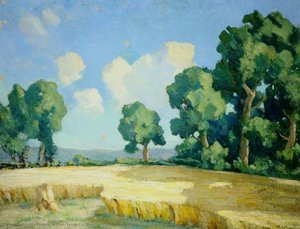
francis william synge le maistre
1859 - 1940
Quick Facts
- Artistic Movement Or Style: Romanticism
- Artists Or Movements Influenced By This Artist: ['Nicolaes Berchem']
- Artists Who Influenced This Artist: ['John Saint-Helier Lander']
- Date Of Death: 1940
- Full Name: Francis William Synge Le Maistre
- Nationality: British
- Notable Artworks:
- Old Mill, Sussex
- Seascape
- Place Of Birth: Jersey