

 Preview
 Send
Send Share
Share
 Details

 Download
 Similars
 X-Ray
X-Ray Diaporama
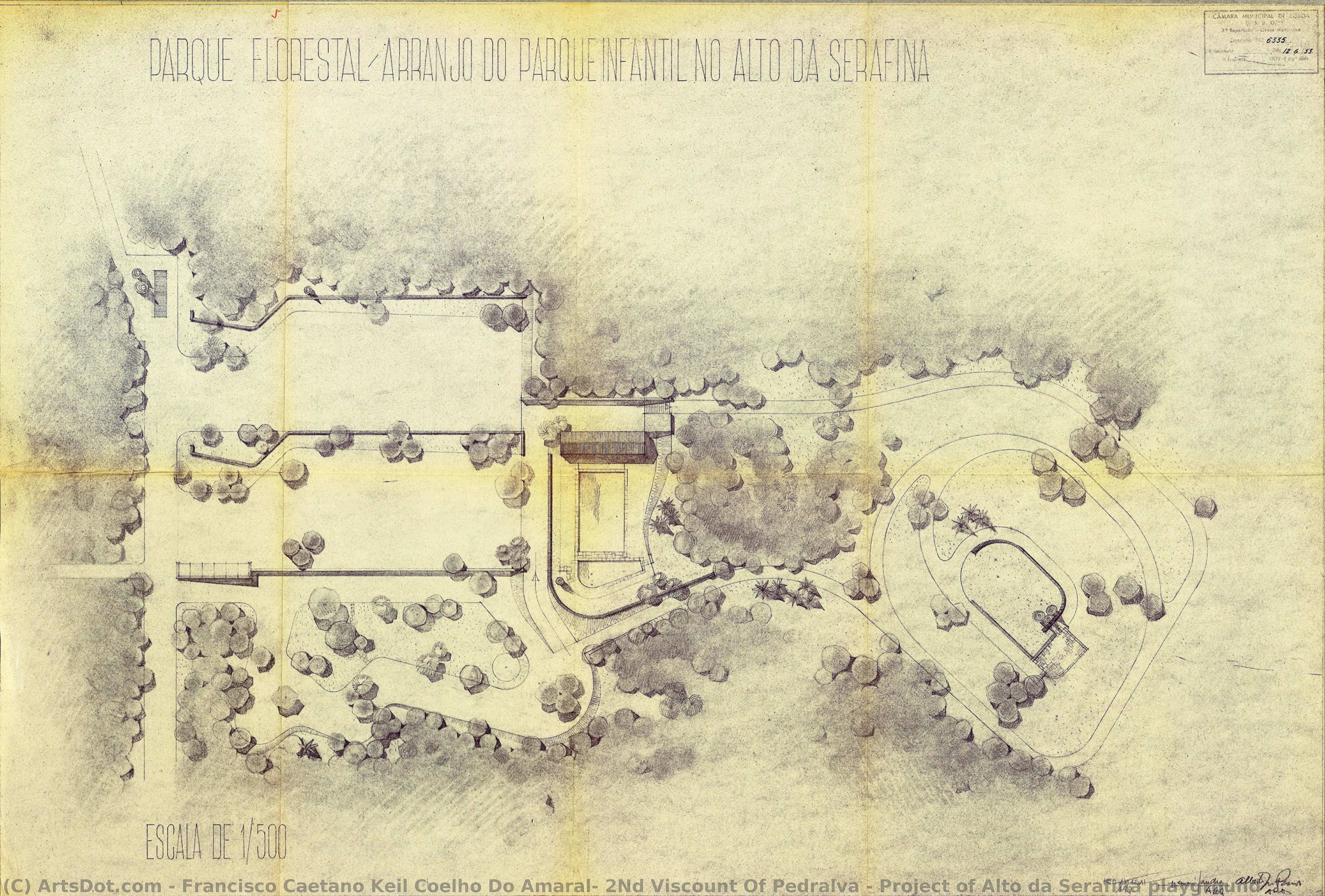
Project of Alto da Serafina playground


 Read More
Purchase a high-resolution, enhanced digital image, far superior to the online preview.
Each file is meticulously prepared by our in-house specialists using advanced tools and expert manual retouching. We ensure every image has exceptional clarity, precise color accuracy, and fine detail.
The final file is delivered via email within 72 hours, optimized for immediate use in professional, editorial, and print environments. This is the same quality trusted by top-tier design studios, publishers, and galleries.
Digital Image
Download a high-resolution file for personal display, printing, and creative projects. ( Buy Print Buy Hand Made Painting)
Included in Every Digital Image Order
Expert Digital Delivery, Guaranteed
When you choose ArtsDot.com, you're not just getting an image - you're receiving a professionally enhanced digital artwork, crafted with precision and backed by a satisfaction guarantee. Here's everything that comes with your order, automatically:

Fast Email Delivery
Your high-resolution digital image file will be emailed to you within 72 hours of ordering - ready for immediate use.

AI-Enhanced Digital File
Your artwork is professionally optimized using advanced AI tools and manual editing, ensuring maximum detail, clarity, and color accuracy.

Free Lifetime Re-Delivery
Accidentally deleted or lost your file? No worries - we'll resend it to you anytime, free of charge.

No Import Fees - Ever
Enjoy your artwork instantly with zero customs, duties, or delivery fees - digital downloads are always tax-free.

Color Accuracy Guarantee
We ensure your digital image reflects the original colors as closely as possible using professional tools and color management.

60-Day Satisfaction Guarantee
If you're not satisfied with your digital image, we'll revise it or refund 100% within 60 days - no questions asked.

100% Money-Back Guarantee
Not satisfied? Get a full refund within 60 days of receiving your digital file - no questions asked.

Bulk Order Discounts
Buy 3 images, save 10% - Buy 5, save 15% - Buy 10+, save 20%. Great for creative projects, galleries, and agencies.
A Vision of Urban Harmony: The Alto da Serafina Playground
In this evocative architectural drawing from 1953, we are transported into the meticulous mind of Francisco Caetano Keil Coelho do Amaral, the 2nd Viscount of Pedralva. The piece, titled Project of Alto da Serafina playground, serves as more than a mere blueprint; it is a window into a mid-century utopian vision where urban density and communal leisure coexist in delicate balance. Through his precise yet soulful linework, the artist captures a moment in time when the expansion of the city demanded new, breathing spaces for its inhabitants. The drawing depicts a lush, verdant parkland cradled by the rising silhouettes of buildings, creating a sanctuary of greenery amidst the encroaching concrete of an evolving urban landscape.
The composition is masterfully layered, presenting a bustling ecosystem of mid-century life. Scattered throughout the scene are the tiny, rhythmic details of 1950s transit—cars and trucks that ground the architectural dream in a tangible, lived reality. This interplay between the static permanence of architecture and the kinetic energy of street life creates a profound sense of movement. For the collector, this work offers a rare glimpse into the "third way" of Portuguese modernism, where the rationalist precision of design meets a deep, humanistic respect for the social fabric of the community.
Technique and the Architect's Eye
As an architect, painter, and photographer, Keil do Amaral brought a multi-dimensional perspective to this 25 x 38 cm work. The technique reflects a sophisticated command over spatial relationships and scale. Every tree, every structure, and every vehicle is placed with a deliberate intent that guides the viewer's eye through the sprawling playground. There is a rhythmic quality to the way the artist utilizes space, alternating between the open, inviting expanses of the play fields and the structured, dense perimeter of the surrounding urban environment. The drawing possesses an organic warmth that belies its technical purpose, transforming a functional proposal into a piece of evocative fine art.
The emotional resonance of the piece lies in its nostalgia and its promise. It evokes a sense of mid-century optimism—a belief that through thoughtful design, we can create spaces that nurture the spirit of both children and adults alike. The large field, designed for boundless play, stands as a symbol of freedom and communal joy, sheltered by the protective canopy of the surrounding trees. It is a poignant reminder of the importance of public spaces in maintaining our connection to nature and to one another.
An Elegant Addition to Modern Interiors
For interior designers and connoisseurs of historical art, this reproduction offers an unparalleled opportunity to introduce a sense of narrative depth and architectural elegance to a space. The piece functions beautifully as a focal point in contemporary settings, providing a sophisticated conversation starter that bridges the gap between historical documentation and fine art. Its muted, classic tones and structured composition complement various decor styles, from minimalist modernism to more eclectic, curated collections.
Integrating this work into a room—perhaps above a console table or within a dedicated gallery wall—adds a layer of intellectual prestige and warmth. It invites the viewer to pause and contemplate the intersection of urban planning and human emotion. Owning a high-quality reproduction of this project is not merely about acquiring an image; it is about preserving a fragment of architectural history and celebrating the enduring beauty of a vision that sought to harmonize the built environment with the human soul.
Related Artworks


Artist Biography
A Pioneer of Modern Portuguese Architecture: Francisco Keil do Amaral
Francisco Caetano Keil Coelho do Amaral, 2nd Viscount of Pedralva (1910-1975), stands as a pivotal figure in the development of modern architecture in Portugal. More than simply an architect, he was a painter and photographer whose unique vision sought to reconcile the principles of rational design with a deep respect for traditional Portuguese building practices. His career unfolded during the complex political landscape of the Estado Novo regime, where he navigated a path independent of both its historicist tendencies and the rigid internationalism of the time, forging what he termed a “third way” in architectural expression. Born into a family with significant public service ties – his father served as Governor-General of Portuguese Angola – Keil do Amaral’s early life instilled a sense of civic responsibility that would permeate his professional endeavors. His childhood experiences, including a period spent in Luanda and formative years at Canas de Senhorim, shaped an aesthetic sensibility attuned to both the grandeur of colonial architecture and the understated beauty of rural Portugal.Early Influences and Artistic Formation
Keil do Amaral’s formal artistic training began with studies in advertising design, followed by enrollment in the Architecture course at Lisbon's School of Fine Arts in 1930. However, a conflict with his professor led him to pursue his education independently, working under the guidance of Carlos Ramos, whose functionalist approach profoundly influenced his early work. This period saw Keil do Amaral embrace purism and rational design principles, evident in projects like the Instituto Pasteur in Porto (1933-1935). Crucially, his time in Paris in 1936, winning the competition for the Portuguese Pavilion at the Universal Fair, marked a turning point. Exposure to international trends was tempered by travels through the Netherlands, where he discovered the work of Willem Marinus Dudok and developed an admiration for Frank Lloyd Wright. This encounter sparked a desire to integrate modern rationality with a thoughtful consideration of architectural traditions – a core tenet of his evolving philosophy. He recognized in Dutch architecture a progressive character that harmonized seamlessly with established customs, a binomial that would define his practice.A “Third Way” and Public Works
The 1940s and 50s witnessed Keil do Amaral’s most significant contributions to Portuguese architecture. He deliberately distanced himself from the prevailing aesthetic currents of the Estado Novo, rejecting both its revivalist tendencies and the wholesale adoption of International Style orthodoxy. Instead, he championed a uniquely Portuguese modernism – one that embraced functionality but remained deeply rooted in local materials, techniques, and cultural contexts. This approach is particularly evident in his public works projects. He assumed responsibility for important commissions without aligning himself with the political regime’s ideological preferences. Projects such as the *Project of the lake island in Campo Grande* demonstrate a sensitivity to landscape and urban space, while designs for commercial facades – like those for *Camisaria Confiança store* and *Sapataria Paris store* – showcase his ability to blend modern aesthetics with the character of Lisbon’s existing architectural fabric. His work consistently sought a balance between innovation and tradition, creating buildings that were both forward-looking and deeply connected to their surroundings.Legacy and Historical Significance
Francisco Keil do Amaral's influence extends beyond the physical structures he designed. He represented a rare instance of artistic independence within an authoritarian context, successfully navigating the complexities of the Estado Novo era while maintaining his own distinct vision. His emphasis on functionality, simplicity, and integration with local traditions paved the way for subsequent generations of Portuguese architects. He left behind a body of work that continues to inspire, demonstrating the power of architecture to reflect cultural identity and respond sensitively to its environment. The fact that his name graces a street in Lisbon is a testament to his enduring legacy as a pioneer of modern Portuguese design – an architect who sought not merely to build structures, but to create spaces that embodied a uniquely Portuguese spirit. His work remains a compelling example of how architectural innovation can be achieved through thoughtful engagement with history and context, rather than blind adherence to prevailing trends.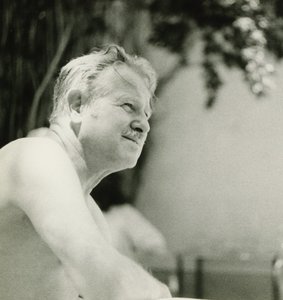
francisco caetano keil coelho do amaral, 2nd viscount of pedralva
1910 - 1975 , Portugal
Quick Facts
- Artistic Movement Or Style: Modernist architecture
- Artists Who Influenced This Artist:
- Carlos Ramos
- Willem Dudok
- Frank Lloyd Wright
- Date Of Birth: April 28, 1910
- Date Of Death: February 19, 1975
- Full Name: Francisco Keil do Amaral
- Nationality: Portuguese
- Notable Artworks:
- Lake Island Project
- Camisaria Confiança Facade
- Sapataria Paris Facade
- Place Of Birth: Lisbon, Portugal

