

 Preview
 Send
Send Share
Share
 Details

 Download
 Similars
 X-Ray
X-Ray Diaporama
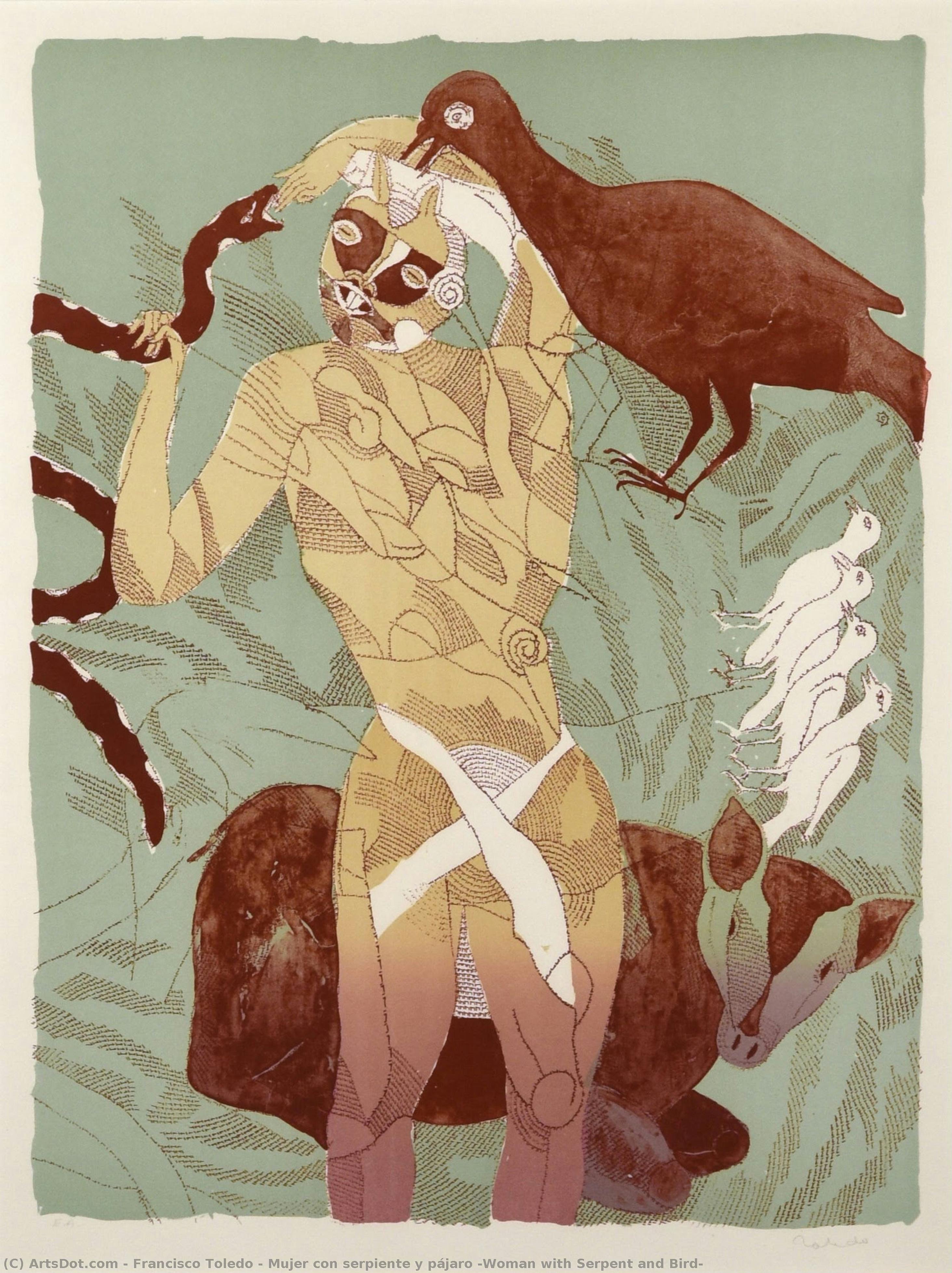
Mujer con serpiente y pájaro (Woman with Serpent and Bird)


 Read More
Purchase a high-resolution, enhanced digital image, far superior to the online preview.
Each file is meticulously prepared by our in-house specialists using advanced tools and expert manual retouching. We ensure every image has exceptional clarity, precise color accuracy, and fine detail.
The final file is delivered via email within 72 hours, optimized for immediate use in professional, editorial, and print environments. This is the same quality trusted by top-tier design studios, publishers, and galleries.
Digital Image
Download a high-resolution file for personal display, printing, and creative projects. ( Buy Print Buy Hand Made Painting)
Included in Every Digital Image Order
Expert Digital Delivery, Guaranteed
When you choose ArtsDot.com, you're not just getting an image - you're receiving a professionally enhanced digital artwork, crafted with precision and backed by a satisfaction guarantee. Here's everything that comes with your order, automatically:

Fast Email Delivery
Your high-resolution digital image file will be emailed to you within 72 hours of ordering - ready for immediate use.

AI-Enhanced Digital File
Your artwork is professionally optimized using advanced AI tools and manual editing, ensuring maximum detail, clarity, and color accuracy.

Free Lifetime Re-Delivery
Accidentally deleted or lost your file? No worries - we'll resend it to you anytime, free of charge.

No Import Fees - Ever
Enjoy your artwork instantly with zero customs, duties, or delivery fees - digital downloads are always tax-free.

Color Accuracy Guarantee
We ensure your digital image reflects the original colors as closely as possible using professional tools and color management.

60-Day Satisfaction Guarantee
If you're not satisfied with your digital image, we'll revise it or refund 100% within 60 days - no questions asked.

100% Money-Back Guarantee
Not satisfied? Get a full refund within 60 days of receiving your digital file - no questions asked.

Bulk Order Discounts
Buy 3 images, save 10% - Buy 5, save 15% - Buy 10+, save 20%. Great for creative projects, galleries, and agencies.
Collectible Description
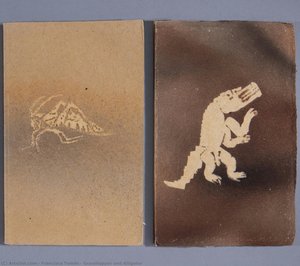
Francisco Toledo’s “Mujer con Serpiente y Pájaro”: A Synthesis of Tradition and Modern Myth
Toledo stressed his position as an autonomous artist, free from the restraints of any specific artistic movement. While not directly associated with the *Generación de la Ruptura*, Toledo’s oeuvre was critical for the renovation of Mexican art in the mid-late 20th century and is considered one of the most important Latin American artists of his time. Born in Juchitán, Oaxaca, the iconography and folklore of Toledo’s hometown became central to the evolution of his style. Toledo’s work represents a synthesis of traditional Mexican icons and visual vocabulary with modernist forms and techniques. Elements of Mexico’s pre-Hispanic past thereby finds visual expression in his contemporary work that is celebrated for its mystical, ethereal quality. Like many of his contemporaries, Toledo engaged in neo-figuration and manipulated the human figure by creating anthropomorphic creatures that blended man and beast to produce modern mythical beings. The painting depicts a woman adorned with feathers atop her head—a potent symbol echoing indigenous beliefs about feminine divinity and connection to nature—and encircled by a serpent, representing wisdom, transformation, and duality. This juxtaposition is further enriched by the presence of two additional birds flanking the central figure, adding layers of complexity to the composition and hinting at interconnectedness within the cosmos. Toledo’s masterful use of color lithograph on paper contributes to the artwork's luminous effect, capturing the ethereal beauty characteristic of his style. The artist skillfully blends meticulous detail with expressive brushstrokes, resulting in a piece that transcends mere representation—it aspires to evoke emotion and convey profound spiritual ideas.- Artist: Francisco Toledo
- Born Year: 1940
- Death Year: Living
- Birth City: Juchitán de Zaragosa
- Birth Country: Mexico
Historical Context & Influences
Toledo’s stylistic choices resonate with broader trends within 20th-century art, notably Surrealism and Folk Art. Artists like Rufino Tamayo and Paul Klee served as formative influences, encouraging Toledo to experiment with unconventional forms and techniques—a deliberate departure from the dominant artistic conventions of his time. The painting's exploration of duality – symbolized by the serpent and birds – aligns perfectly with Surrealist preoccupation with subconscious imagery and dreamlike visions. Simultaneously, Toledo’s incorporation of Zapotec iconography demonstrates a conscious effort to honor Mexico’s cultural heritage and challenge Western artistic paradigms.Symbolism & Emotional Impact
The woman's feathered headdress speaks to ancient beliefs about feminine power and spiritual connection—a motif prevalent in Mesoamerican cultures. The serpent embodies wisdom, transformation, and the cyclical nature of life, reminding viewers of the interconnectedness between humanity and the natural world. Furthermore, the positioning of the birds suggests harmony and balance within a larger cosmic order. Toledo’s artwork evokes a sense of wonder and contemplation, inviting observers to ponder profound questions about identity, spirituality, and the role of art in preserving cultural memory.Technique & Material Considerations
Toledo's masterful use of color lithograph—a technique known for its precision and ability to reproduce subtle tonal variations—contributes significantly to the painting’s luminous quality and ethereal aesthetic. The artist meticulously crafted each print, ensuring that it faithfully captures the essence of his original vision. This dedication to craftsmanship underscores Toledo’s belief in art as a conduit for conveying emotion and communicating ideas with clarity and beauty.Related Artworks

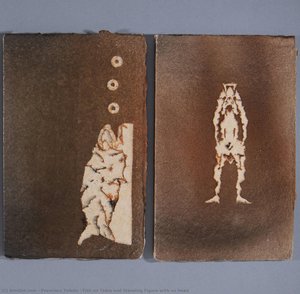
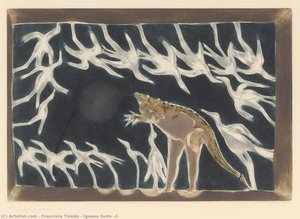
![Spanish Landscape, Toledo [paisaije Español, Toledo] — Diego Rivera, Cubism](/media/artworks/images-thumb/67/22/67223cfb67a3e879b8599832c8849094.jpg)
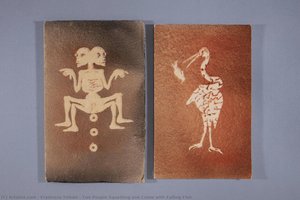
Artist Biography
A Life Woven into the Soul of Oaxaca
Francisco Benjamín López Toledo, born in Juchitán de Zaragoza, Oaxaca, in 1940, wasn’t merely an artist; he was a cultural architect, a passionate advocate for his homeland, and one of Mexico's most profoundly influential contemporary figures. His life story is inextricably linked to the vibrant traditions and often-overlooked complexities of Oaxacan culture, a heritage that permeates every brushstroke, sculpted form, and woven thread of his extensive oeuvre. Toledo’s artistic journey began early, nurtured by the rich visual language of his Zapotec upbringing and formalized through studies at the Escuela de Bellas Artes de Oaxaca and later at the Centro Superior de Artes Aplicadas del Instituto Nacional de Bellas Artes in Mexico City under the guidance of Guillermo Silva Santamaría. However, formal training only provided a foundation; Toledo’s true education came from immersing himself in the world around him – the landscapes, folklore, and social realities of his native state.A Kaleidoscope of Influences
To categorize Francisco Toledo within a single artistic movement proves impossible, and perhaps even undesirable. His style is remarkably fluid, a captivating synthesis of diverse influences that reflect both his intellectual curiosity and deep-rooted cultural identity. The echoes of Pre-Columbian art resonate strongly in his work, particularly the iconography of Zapotec and other indigenous cultures, manifesting as stylized figures and symbolic motifs. This ancestral connection is beautifully interwoven with the exuberant palette and narrative spirit of Mexican folk art, creating a visual language that feels both ancient and strikingly modern. Yet, Toledo wasn’t content to simply replicate tradition; he fearlessly embraced elements of Surrealism, allowing dreamlike compositions and explorations of the subconscious to surface in his paintings and graphic works. This unique blend—a harmonious collision of history, heritage, and personal vision—defines the distinctive character of his art. He frequently employed bold lines, textured surfaces, and a deliberately limited color palette, creating images that are visually arresting and emotionally resonant.Themes of Identity, Society, and Nature
Recurring themes weave through Toledo’s artistic narrative, revealing his profound engagement with the world around him. Oaxacan culture is not merely a subject matter but a living presence in his work—a celebration of traditions, beliefs, and the everyday lives of its people. Beyond aesthetic representation, Toledo used his art as a powerful vehicle for social commentary, fearlessly addressing issues such as poverty, inequality, and political corruption with both subtlety and directness. His canvases often serve as poignant reflections on the human condition, prompting viewers to confront uncomfortable truths about society. Equally prominent is his fascination with mythology and symbolism, drawing upon Zapotec lore and universal archetypes to imbue his work with layers of meaning. Finally, a deep reverence for nature—the flora and fauna of Oaxaca—is evident in his meticulous depictions of the natural world, where every plant and creature carries symbolic weight.Beyond the Canvas: A Cultural Legacy
Francisco Toledo’s impact extends far beyond the realm of painting and sculpture. He was a tireless advocate for cultural preservation and community development in Oaxaca, recognizing that art is not created in a vacuum but thrives within a supportive ecosystem. His commitment to this belief led him to establish several pivotal institutions that continue to enrich the artistic landscape of his homeland: The Instituto de Artes Gráficas de Oaxaca (IAGO) art library, a treasure trove of visual knowledge; the Museo de Arte Contemporáneo de Oaxaca (MACO), providing a platform for contemporary artists; Patronato Pro-Defensa y Conservación del Patrimonio Cultural de Oaxaca, dedicated to safeguarding cultural heritage; and several other initiatives including a library for the blind, a photographic center, and the Eduardo Mata Music Library. These endeavors demonstrate his unwavering dedication to fostering artistic expression and cultural awareness within his community, solidifying his legacy as not just an artist but a true visionary. His work has been exhibited extensively throughout Mexico and internationally, reaching audiences in Argentina, Brazil, Colombia, Ecuador, Spain, the United Kingdom, Belgium, France, Japan, Sweden, and the United States.An Enduring Influence
Francisco Toledo’s passing in 2019 marked a significant loss for the art world, but his influence continues to resonate deeply. He is rightfully considered one of Mexico's most important contemporary artists, having elevated Oaxacan art onto the international stage and inspired generations of artists with his unique vision and unwavering commitment to social justice. His dedication to both artistic creation and community empowerment solidifies his place as a cultural icon—a testament to the power of art to transform lives and shape a more equitable world. Toledo’s legacy is not simply found in the museums and galleries that display his work, but in the vibrant cultural institutions he founded and the countless individuals whose lives he touched through his artistry and activism.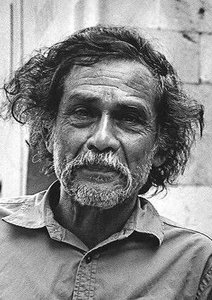
Francisco Toledo
1940 - , Mexico
Quick Facts
- Artistic Movement Or Style: Surrealism, Folk Art
- Artists Who Influenced This Artist:
- Rufino Tamayo
- Paul Klee
- Jean Dubuffet
- Date Of Birth: 1940
- Full Name: Francisco Benjamín López Toledo
- Nationality: Mexican
- Notable Artworks:
- Grasshopper and Alligator
- Two People Squatting...
- Redes con Cangrejos...
- Place Of Birth: Juchitán de Zaragosa, Mexico

