 Preview
 Send
Send Share
Share
 Details

 Download
 Similars
 X-Ray
X-Ray Diaporama
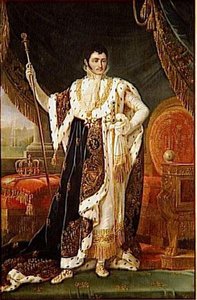
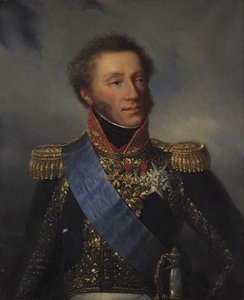
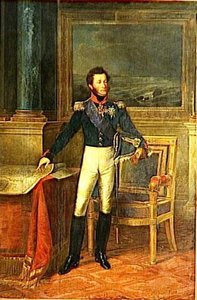
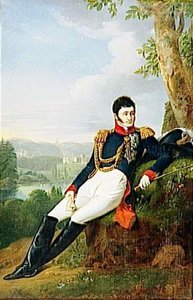
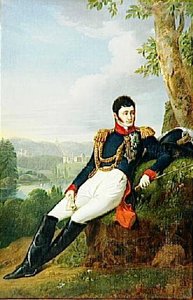
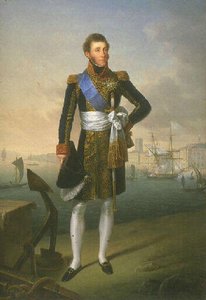
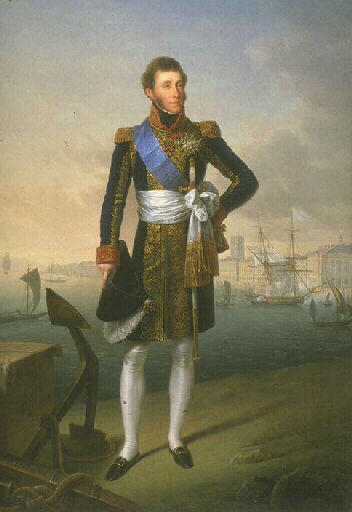
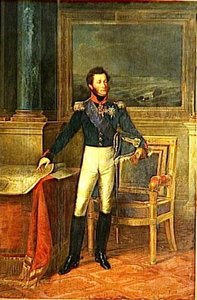
Portrait du Duc d'Angoulême
 Read More
Hand Made Oil Reproduction
Hand-painted oil on canvas in your size and frame, made to order by our artists. ( Buy Print Buy Image)




































Pick from our preset sizes that match the artwork's original proportions.

You may enter your own dimensions to fit a specific frame or space. If your selected size does not match the original image's proportions, we will either crop the artwork or extend the painting with additional hand-painted elements. A digital mockup will be sent for your approval before production begins.
Please note that the on-screen preview does not reflect the actual cropping or extension. Only the mockup will accurately show the final composition.
While custom sizes are available, we recommend selecting a dimension from the predefined list to preserve the original proportions.
After order, ArtsDot.com team will email client for instructions and provide a mockup preview
Worldwide Delivery () in 3/4 weeks instead of standard 5 weeks. (21 August). No compromise on quality.

Free Worldwide Express Shipping

High-Quality Linen Canvas

Full Shipping Insurance

Customs Tax Refund Guarantee

True Color Matching Guarantee

60-Day Return Policy (Defects Only)

100% Money-Back Guarantee

Bulk Discount Offer
 Glass option is only available in size under 110 CM

Portrait du Duc d'Angoulême
Reproduction Medium
Reproduction Size
-


Total Price
$ 263
Related Artworks









Artist Biography
A Brush with Nobility: The Life and Art of François-Joseph Kinson
François-Joseph Kinson, born in Bruges on January 29th, 1770, and passing away unexpectedly during a visit to his sisters in the same city on October 18th, 1839, was an artist whose life traced a fascinating arc through the tumultuous years of revolution and empire. He wasn’t merely a painter; he was a chronicler of elegance, a favored portraitist of the elite, and a man who skillfully navigated the shifting currents of European power. His story is one of artistic talent combined with astute social awareness, allowing him to flourish in circles that demanded both skill and discretion. Kinson's early training at the Bruges art school laid a solid foundation, but it was his subsequent establishment of a reputation in Ghent and Brussels that signaled the emergence of a distinctive style – one quickly recognized for its refined technique and captivating likenesses. Even an early exhibition in Paris in 1799 hinted at the trajectory to come, a foreshadowing of the acclaim he would soon garner on a much larger stage.From Parisian Salons to Royal Courts
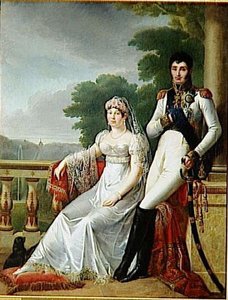
The year 1794 marked a pivotal shift in Kinson’s career as he settled permanently in Paris. This wasn't simply a relocation; it was a strategic move to immerse himself within the heart of French society, and more importantly, to court the patronage of its most influential figures. He understood that artistic success often hinged on cultivating relationships with those who possessed both wealth and power, and Kinson proved remarkably adept at this delicate art form. His talent for capturing not just physical resemblance but also the *essence* of his sitters quickly drew attention. As the political landscape transformed under Napoleon Bonaparte, Kinson’s fortunes rose in tandem. He became a sought-after portraitist within the imperial court, documenting the faces of those who shaped the era. This culminated in his appointment as court painter to Jérôme Bonaparte, King of Westphalia – a position that cemented his status among the leading artists of his time and provided access to an exclusive world of nobility and privilege.The Art of Elegance: Style and Subject Matter
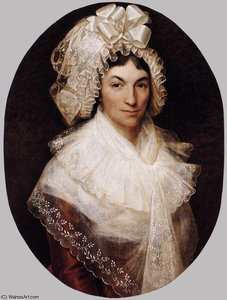
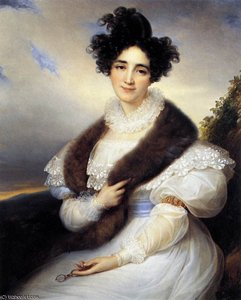
Kinson’s artistic legacy rests primarily on his portraits, particularly those depicting elegant women. These weren't merely representations of fashionable figures; they were carefully constructed images that conveyed a sense of grace, refinement, and social standing. He possessed an exceptional ability to render the textures of luxurious fabrics – silks, velvets, and laces – with breathtaking realism, enhancing the overall impression of opulence and sophistication. His palette favored rich, warm tones, creating a luminous quality that flattered his sitters and imbued their portraits with a sense of vitality. While he painted men as well, it was his depictions of women that truly defined his style. These portraits often featured subtle symbolism – carefully chosen accessories or settings that alluded to the sitter’s personality, aspirations, or social connections. He wasn't simply painting faces; he was constructing narratives. The influence of artists like Elisabeth Vigée Le Brun is discernible in his work, particularly in the attention to detail and the flattering portrayal of female subjects, yet Kinson developed a unique voice characterized by a slightly more formal and restrained approach.A Lasting Impression: Historical Significance
François-Joseph Kinson’s historical significance lies not only in the quality of his art but also in what his portraits reveal about the society he depicted. His works offer a glimpse into the lives, tastes, and values of the French aristocracy and Napoleonic elite during a period of profound change. They are valuable primary sources for understanding fashion, social customs, and the evolving concept of portraiture itself. His paintings serve as visual records of an era, capturing the fleeting beauty and enduring ambition of those who commissioned them. Though he didn’t leave behind a vast body of work, the portraits that do survive are testament to his skill and artistry. His ability to adapt to changing political climates while maintaining a consistent aesthetic vision is particularly noteworthy. He wasn't an innovator in the same vein as some of his contemporaries, but he was a master craftsman who excelled at capturing the spirit of his time – a talent that ensured his place among the leading portraitists of the late 18th and early 19th centuries.Further Exploration
- Mir Gallery resources on François Kinson: http://www.mirgallery.com/resources/index.aspx?category=artists&id;=kinson
- Research into the portraiture styles of Elisabeth Vigée Le Brun for comparative analysis.
- Investigation of the court of Jérôme Bonaparte and the patronage system during the Napoleonic era.
franciscus josephus kinsoen
1771 - 1839
Quick Facts
- Artistic Movement Or Style: Portraiture
- Date Of Birth: January 29, 1770
- Date Of Death: October 18, 1839
- Full Name: Franciscus Josephus Kinsoen
- Nationality: Flemish
- Notable Artworks:
- Elegant Women Portraits
- Napoleon's Court Paintings
- Place Of Birth: Bruges, Belgium