 Preview
 Send
Send Share
Share
 Details

 Download
 Similars
 X-Ray
X-Ray Diaporama
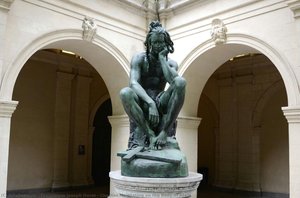
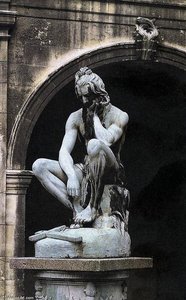
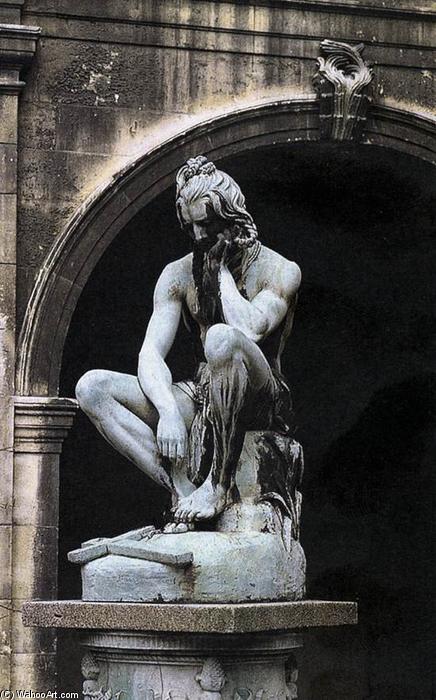
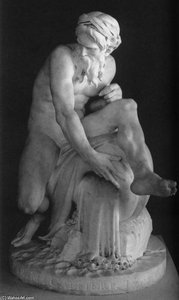
Chactas Meditating on Atala's Tomb


 Read More
Hand Made Oil Reproduction
Hand-painted oil on canvas in your size and frame, made to order by our artists. ( Buy Print Buy Image)




































Pick from our preset sizes that match the artwork's original proportions.

You may enter your own dimensions to fit a specific frame or space. If your selected size does not match the original image's proportions, we will either crop the artwork or extend the painting with additional hand-painted elements. A digital mockup will be sent for your approval before production begins.
Please note that the on-screen preview does not reflect the actual cropping or extension. Only the mockup will accurately show the final composition.
While custom sizes are available, we recommend selecting a dimension from the predefined list to preserve the original proportions.
After order, ArtsDot.com team will email client for instructions and provide a mockup preview
Worldwide Delivery () in 3/4 weeks instead of standard 5 weeks. (20 August). No compromise on quality.

Free Worldwide Express Shipping

High-Quality Linen Canvas

Full Shipping Insurance

Customs Tax Refund Guarantee

True Color Matching Guarantee

60-Day Return Policy (Defects Only)

100% Money-Back Guarantee

Bulk Discount Offer
 Glass option is only available in size under 110 CM

Chactas Meditating on Atala's Tomb
Reproduction Medium
Reproduction Size
-


Total Price
$ 263
Related Artworks
Artist Biography
The Sculptural Legacy of Francisque Joseph Duret
In the heart of nineteenth-century Paris, a period defined by the tension between classical restraint and the burgeoning passion of Romanticism, the sculptor Francisque Joseph Duret emerged as a vital voice. Born in 1804 into a lineage of artistic excellence, Duret was more than just a practitioner of his craft; he was a bridge between eras. As the son and pupil of the esteemed François-Joseph Duret, his very existence was intertwined with the marble and bronze traditions of France. While his early inclinations toward theatrical studies suggested a fascination with drama and performance, it was the tactile reality of sculpture that ultimately captured his soul. This early exposure to the performing arts would later manifest in his ability to imbue static figures with an almost palpable sense of movement and human vitality.
Duret’s formal education at the Conservatoire under the guidance of François-Joseph Bosio provided him with a rigorous foundation in Neoclassical principles. From Bosio, he inherited a profound respect for anatomical precision and the serene beauty of antiquity. However, Duret possessed a unique sensitivity that allowed him to transcend mere imitation of the past. The prestigious Prix de Rome, which he secured in 1823, served as a transformative milestone, transporting him to Italy. It was amidst the sun-drenched landscapes and ancient ruins of the Italian peninsula that his style began to mature, blending the disciplined lines of Neoclassicism with the emotive, swirling energy characteristic of the Romantic movement.
Mastery of Form and Emotion
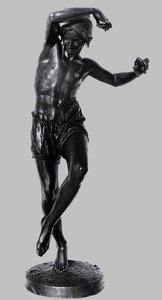
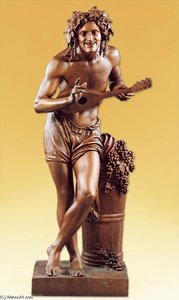
The brilliance of Duret’s work lies in his capacity to capture the fleeting essence of human emotion within the permanence of stone and metal. He did not merely sculpt bodies; he sculpted stories. One of his most celebrated achievements, the Neapolitan Fisherman Dancing the Tarantella, showcased this extraordinary talent. Exhibited at the Louvre in 1833, this bronze masterpiece broke away from the stoic stillness of traditional Neoclassicism to embrace a rhythmic, kinetic energy. The sculpture captures the feverish intensity of the folk dance, demonstrating Duret's ability to translate the pulse of life into a frozen moment of artistic triumph.
His technical repertoire was vast, ranging from intimate studies of human behavior to monumental works destined for the grandest stages of France. His contributions to the architectural landscape of Versailles further cemented his status as a sculptor of national importance. In these larger commissions, Duret utilized scale and grandeur to evoke a sense of historical continuity, ensuring that his work resonated with the majesty required by such iconic settings. His ability to observe and replicate the subtle nuances of human gesture—a skill honed through his early interest in theater—allowed him to create figures that felt deeply relatable yet elevated by an idealized grace.
Historical Significance and Artistic Influence
The historical importance of Francisque Joseph Duret extends far beyond the physical presence of his statues. He stood at a pivotal crossroads in art history, navigating the transition from the rigid hierarchies of the Academy to the more expressive, individualistic spirit of the mid-century. By integrating the meticulous detail of the Neoclassical tradition with the emotional depth of Romanticism, he helped pave the way for future generations of sculptors to explore more psychological and dynamic subject matter.
As a figure within the French artistic establishment, his influence was felt through both his personal output and his role as a standard-bearer for excellence. His life and work represent a period where art sought to reconcile the eternal ideals of beauty with the lived experience of human passion. Today, when we look upon the works of Duret, we see more than just historical artifacts; we witness the enduring struggle and ultimate harmony between the disciplined mind and the wandering, emotive heart.
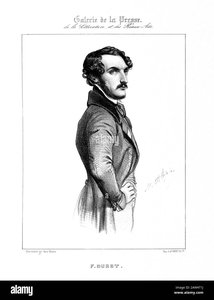
Francisque Joseph Duret
1804 - 1865 , France
Quick Facts
- Artistic Movement Or Style: Neoclassical & Romantic Sculpture
- Artists Or Movements Influenced By This Artist: ['Louis Léon Cugnot']
- Artists Who Influenced This Artist: ['François Joseph Bosio']
- Date Of Birth: October 19, 1804
- Date Of Death: May 26, 1865
- Full Name: Francisque Joseph Duret
- Nationality: French
- Notable Artworks:
- Neapolitan Fisherman Dancing the Tarantella
- Grape-picker Ex
- Chactas Meditating on Atala's Tomb
- Place Of Birth: Paris, France