 Preview
 Send
Send Share
Share
 Details

 Download
 Similars
 X-Ray
X-Ray Diaporama
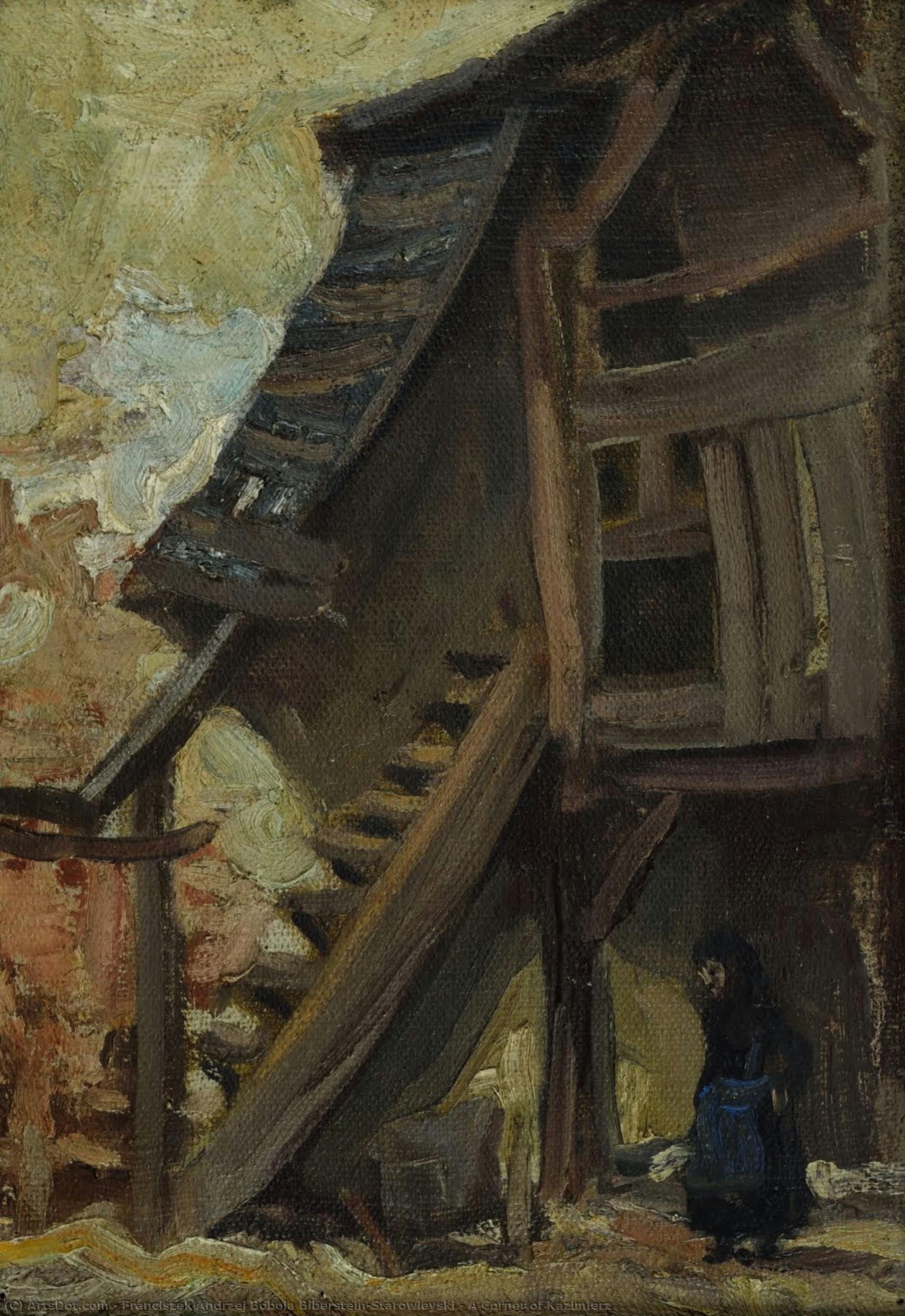
A Corner of Kazimierz


 Read More
Hand Made Oil Reproduction
Hand-painted oil on canvas in your size and frame, made to order by our artists. ( Buy Print Buy Image)




































Pick from our preset sizes that match the artwork's original proportions.

You may enter your own dimensions to fit a specific frame or space. If your selected size does not match the original image's proportions, we will either crop the artwork or extend the painting with additional hand-painted elements. A digital mockup will be sent for your approval before production begins.
Please note that the on-screen preview does not reflect the actual cropping or extension. Only the mockup will accurately show the final composition.
While custom sizes are available, we recommend selecting a dimension from the predefined list to preserve the original proportions.
After order, ArtsDot.com team will email client for instructions and provide a mockup preview
Worldwide Delivery () in 3/4 weeks instead of standard 5 weeks. (23 August). No compromise on quality.

Free Worldwide Express Shipping

High-Quality Linen Canvas

Full Shipping Insurance

Customs Tax Refund Guarantee

True Color Matching Guarantee

60-Day Return Policy (Defects Only)

100% Money-Back Guarantee

Bulk Discount Offer
 Glass option is only available in size under 110 CM

A Corner of Kazimierz
Reproduction Medium
Reproduction Size
-


Total Price
$ 263
Related Artworks









Artist Biography
Franciszek Andrzej Bobola Biberstein-Starowieyski: A Baroque Visionary
Franciszek Andrzej Bobola Biberstein-Starowieyski (1930-2009) stands as a singular figure in Polish art, a master of poster design, stage setting, and illustration whose work transcends mere decoration to become a potent exploration of sensuality, social commentary, and a deeply rooted fascination with the 17th-century Baroque. Born in Brackówka, Poland, his artistic journey began at the Academy of Fine Arts in Kraków and Warsaw, laying the foundation for a career defined by both technical skill and an audacious, almost theatrical approach to visual storytelling. Starowieyski wasn’t simply creating images; he was constructing worlds—worlds brimming with opulent detail, arresting figures, and a subtle yet persistent critique of the society around him.
Early in his career, like many artists of his time, Starowieyski navigated the constraints of socialist realism. However, he quickly distinguished himself through his vibrant, often strikingly sensual posters for the “Cyrk” (circus) series – a departure from the prevailing ideological norms. These posters, particularly the 1966 "Homage to Picasso," demonstrated a willingness to experiment with color and form, hinting at the more complex and personal vision that would soon emerge. This pivotal shift marked a turning point, establishing Starowieyski as an artist unafraid to challenge conventions.
The Baroque Echoes: Influences and Style
Starowieyski’s artistic identity is inextricably linked to his profound admiration for the 17th-century Baroque. He didn't merely imitate; he internalized its spirit, adopting its characteristic blend of grandeur, drama, and a heightened sense of emotion. This influence manifests in every aspect of his work – from the meticulously rendered anatomy of his figures, often imbued with a sensual quality reminiscent of Rubens, to the elaborate ornamentation and calligraphic flourishes that dominate many of his compositions. He famously stated that he felt “in those times,” effectively positioning himself as an inhabitant of a bygone era, channeling its aesthetic through his own contemporary practice.
His technique was characterized by a remarkable command of drawing – a skill honed over decades and reflected in the precise lines and dynamic compositions of his work. He employed a system of unique signs and symbols, creating a personal visual language that added layers of meaning to his images. These weren’t simply illustrations; they were carefully constructed narratives, often imbued with subtle social critiques or explorations of human psychology. The use of calligraphy, frequently styled to resemble 17th-century scripts, further reinforced this connection to the past, blurring the lines between art and historical documentation.
A Breakthrough: MoMA and International Recognition
Starowieyski’s career took a monumental leap forward in 1986 when he achieved what was then unprecedented for a Polish artist: a solo exhibition at the Museum of Modern Art (MoMA) in New York. This landmark event brought him international recognition, solidifying his place among the leading figures of contemporary art. The exhibition showcased the breadth and depth of his work – from posters to paintings, demonstrating his versatility and artistic vision.
Beyond MoMA, Starowieyski’s influence extended across Europe. He was a member of Alliance Graphique Internationale (AGI), a prestigious international organization of graphic designers, further cementing his status as a significant voice in the world of design. His work has been exhibited extensively throughout Poland and abroad, consistently garnering critical acclaim for its originality, technical skill, and provocative themes.
Themes and Legacy
Starowieyski’s art is not simply beautiful; it's deeply layered with meaning. He frequently explored themes of sensuality, mortality, and the passage of time – often intertwined with a subtle critique of social conventions and power structures. His paintings, particularly those depicting female figures, are characterized by their rich textures, dramatic lighting, and an undeniable eroticism. Yet, beneath this surface allure lies a poignant awareness of human vulnerability and the inevitability of death.
Despite his flamboyant style and penchant for shock value – he famously stated that “the viewer expects the artist to scandalize, insult and shock him” – Starowieyski’s work possesses an underlying humanity. He remains a vital figure in Polish art history, a testament to the power of artistic vision and a reminder of the enduring influence of the Baroque on contemporary aesthetics. His legacy continues to inspire artists today, demonstrating that true innovation often lies in honoring the traditions of the past while forging new paths into the future.
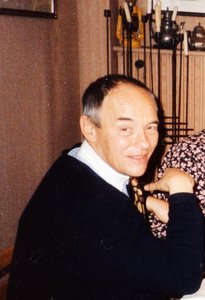
franciszek andrzej bobola biberstein-starowieyski
1930 - 2009 , Poland
Quick Facts
- Artistic Movement Or Style: Baroque, Poster Design
- Artists Or Movements Influenced By This Artist: ['Alliance Graphique Intl']
- Artists Who Influenced This Artist:
- Rubens
- Picasso
- Date Of Birth: July 8, 1930
- Date Of Death: February 23, 2009
- Full Name: Franciszek Andrzej Bobola Biberstein-Starowieyski
- Nationality: Polish
- Notable Artworks:
- Cyrk Homage to Picasso
- Various posters
- Place Of Birth: Brackówka, Poland