 Preview
 Send
Send Share
Share
 Details

 Download
 Similars
 X-Ray
X-Ray Diaporama
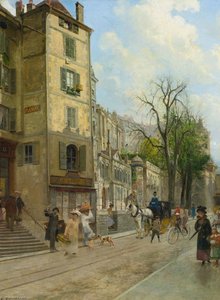
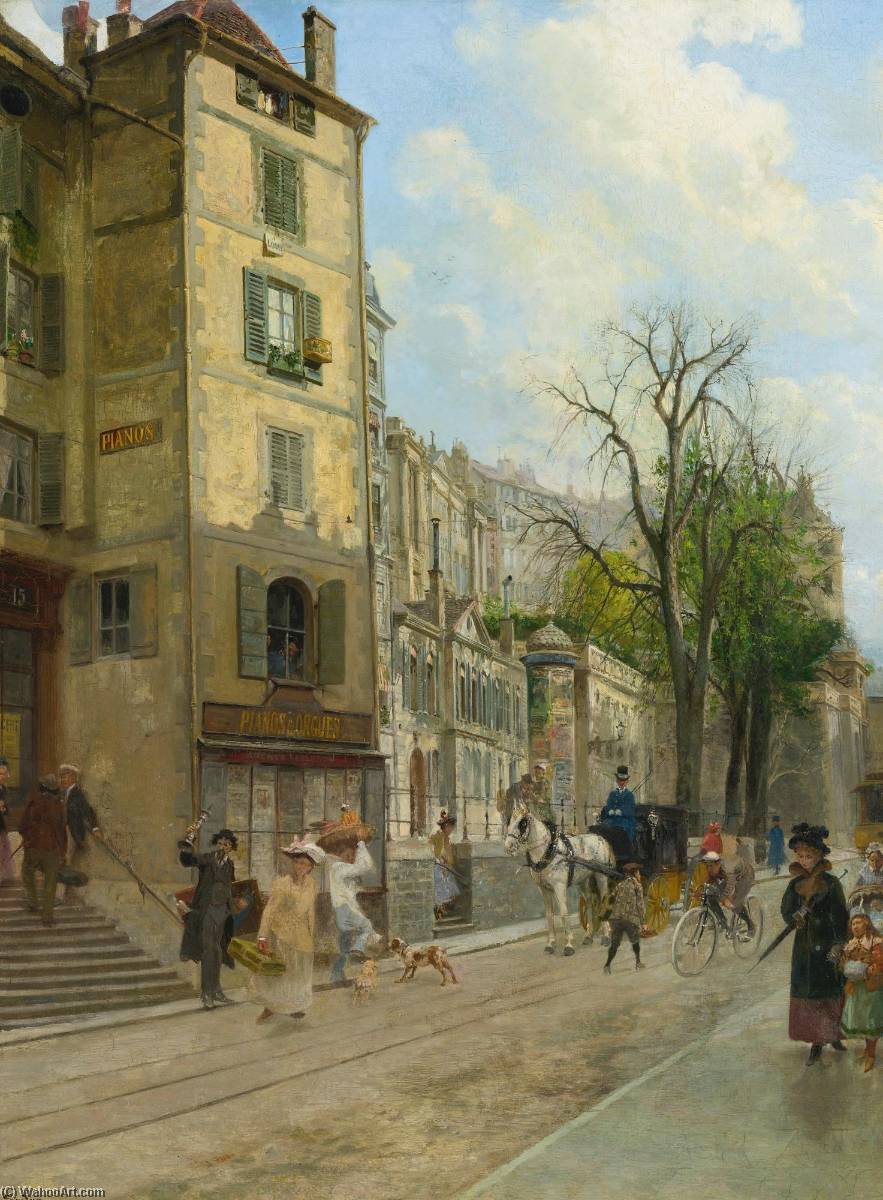
Rue de la Corraterie, Geneva
 73.0 x 56.0 cm
 Read More
Hand Made Oil Reproduction
Hand-painted oil on canvas in your size and frame, made to order by our artists. ( Buy Print Buy Image)




































Pick from our preset sizes that match the artwork's original proportions.

You may enter your own dimensions to fit a specific frame or space. If your selected size does not match the original image's proportions, we will either crop the artwork or extend the painting with additional hand-painted elements. A digital mockup will be sent for your approval before production begins.
Please note that the on-screen preview does not reflect the actual cropping or extension. Only the mockup will accurately show the final composition.
While custom sizes are available, we recommend selecting a dimension from the predefined list to preserve the original proportions.
After order, ArtsDot.com team will email client for instructions and provide a mockup preview
Worldwide Delivery () in 3/4 weeks instead of standard 5 weeks. (26 August). No compromise on quality.

Free Worldwide Express Shipping

High-Quality Linen Canvas

Full Shipping Insurance

Customs Tax Refund Guarantee

True Color Matching Guarantee

60-Day Return Policy (Defects Only)

100% Money-Back Guarantee

Bulk Discount Offer
 Glass option is only available in size under 110 CM

Rue de la Corraterie, Geneva
Reproduction Medium
Reproduction Size
-


Total Price
$ 263
Related Artworks









Artist Biography
A Shadowy Chronicler of Parisian Life: The Enigmatic François Adolphe Grison
François Adolphe Grison (1830-1914) remains a fascinating, yet somewhat elusive figure in the landscape of 19th-century French painting. While not enjoying the widespread renown of his contemporaries like Manet or Monet, Grison carved out a unique niche depicting the bustling streets and intimate interiors of Paris with a distinctive blend of realism and melancholic observation. His work offers a compelling glimpse into a city undergoing rapid transformation, capturing both its vibrancy and its underlying social tensions. Born into a modest background, details surrounding his early life are scarce; he appears to have largely been self-taught, eschewing the formal academic training prevalent at the time. This independence likely contributed to the unconventional nature of his artistic vision. He initially worked as an illustrator, honing his skills in capturing detail and atmosphere before dedicating himself fully to painting.The Parisian Streets as a Stage
Grison’s most recognizable works are undoubtedly those portraying scenes of everyday life in Paris. Unlike the grand historical narratives favored by many Salon artists, Grison focused on the ordinary – the flower vendors, the street musicians, the bustling crowds along the boulevards. He possessed an exceptional ability to render light and shadow, creating a dramatic chiaroscuro that imbues his paintings with a sense of immediacy and intrigue. His palette is often subdued, favoring earth tones and grays punctuated by carefully chosen accents of color. This restrained use of color contributes to the overall mood of quiet contemplation and subtle drama found in his work. Rue de la Corraterie, for example, exemplifies his mastery of atmospheric perspective and his keen eye for capturing the fleeting moments of urban existence. The painting isn’t merely a depiction of a street; it's an evocation of a specific time and place, filled with anonymous figures going about their daily routines. He wasn’t interested in glorifying Parisian life but rather in documenting its complexities, its beauty alongside its hardships.A Technique Rooted in Observation
Grison’s technique is characterized by a meticulous attention to detail combined with a loose, expressive brushstroke. While his compositions are carefully planned, the execution feels spontaneous and alive. He frequently employed watercolor and gouache, mediums that allowed him to achieve a delicate luminosity and subtle gradations of tone. His works often bear the marks of reworking and layering, suggesting a process of continual refinement and exploration. He wasn’t afraid to leave areas unfinished, allowing the underlying paper or canvas to peek through, adding to the sense of immediacy and authenticity. This approach distinguishes him from more polished academic painters and aligns him with a growing interest in plein air painting and direct observation of nature – even within an urban context. He often worked directly on location, capturing the essence of Parisian life before returning to his studio to complete his paintings.The Disinherited Artwork and Rediscovery
A curious chapter in Grison’s story involves the fate of a significant portion of his oeuvre. Following his death, many of his works were discovered in a dilapidated state within an old building on Rue de la Corraterie – hence the association with that particular street. These paintings had seemingly been forgotten for decades, gathering dust and obscurity. Their rediscovery sparked renewed interest in Grison’s work, revealing a substantial body of previously unknown pieces.- The circumstances surrounding their abandonment remain shrouded in mystery.
- Some speculate that financial difficulties led him to store his paintings away, intending to return to them later but never having the opportunity.
- Others suggest a more deliberate attempt to distance himself from his earlier work.
Historical Significance and Lasting Legacy
While Grison never achieved widespread fame during his lifetime, his work is now recognized as an important document of Parisian life in the Second Empire and Belle Époque. He stands as a key figure within the broader movement of French Mannerism, characterized by its emphasis on realism, psychological depth, and subtle social commentary. His paintings offer a counterpoint to the more idealized depictions of Paris prevalent at the time, providing a nuanced and often melancholic perspective on urban existence. He paved the way for later artists who sought to capture the complexities of modern life, influencing generations with his unique blend of observation, technique, and atmospheric storytelling. Today, Grison’s paintings are increasingly sought after by collectors and museums, ensuring that his shadowy chronicling of Parisian life continues to captivate and inspire.
Quick Facts
- Artistic Movement Or Style: French Mannerism
- Date Of Death: Living
- Full Name: François Adolphe Grison
- Nationality: French
- Notable Artworks: ['Rue de la Corraterie']