

 Preview
 Send
Send Share
Share
 Details

 Download
 Similars
 X-Ray
X-Ray Diaporama
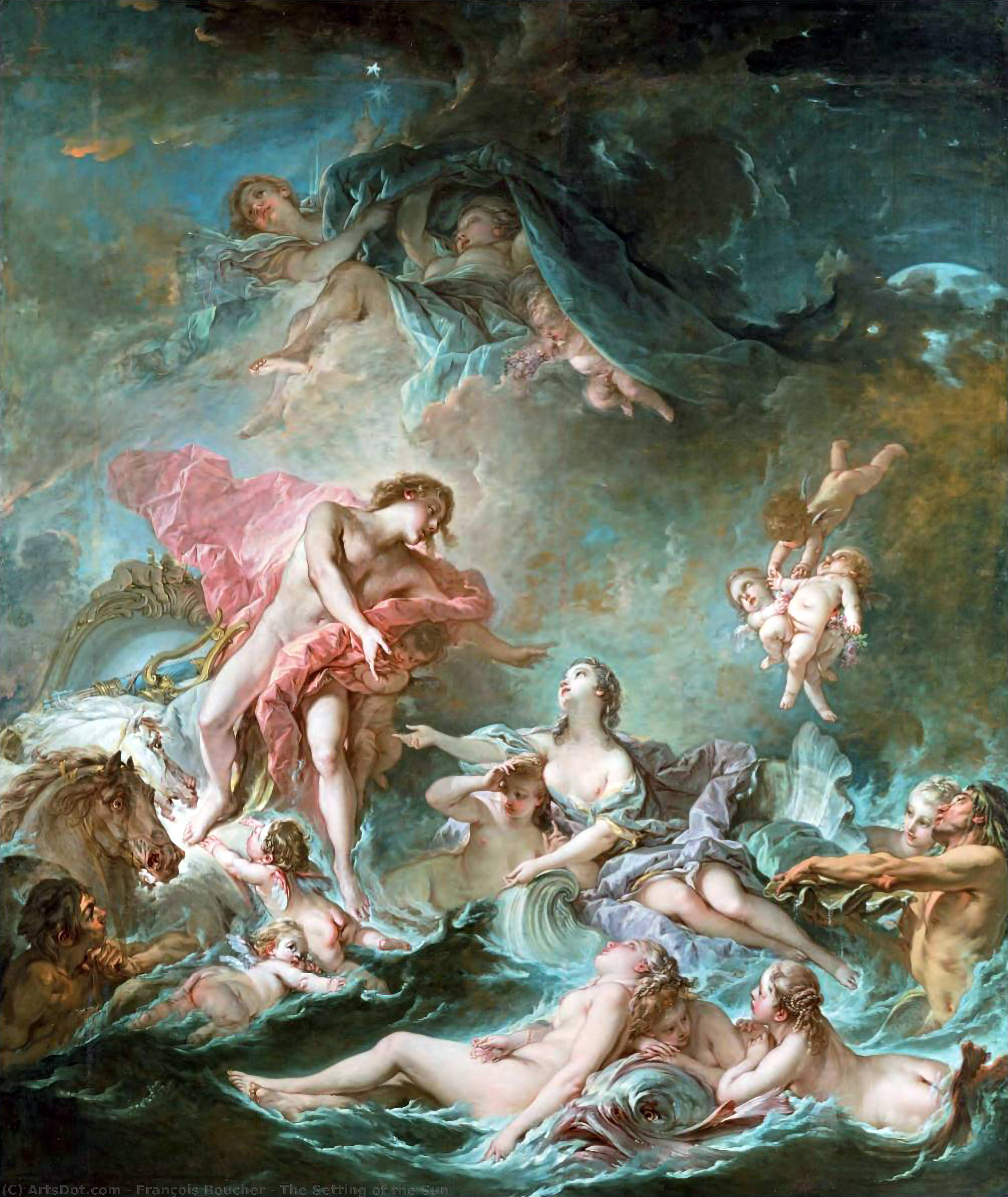
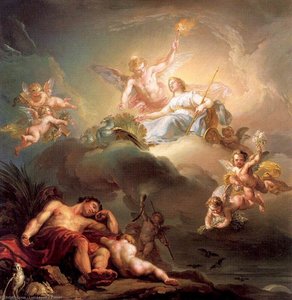
The Setting of the Sun
 Oil On Canvas
- WallArt
- Rococo
 1752
1752 318.0 x 261.0 cm
 Wallace Collection
 Read More
Purchase a high-resolution, enhanced digital image, far superior to the online preview.
Each file is meticulously prepared by our in-house specialists using advanced tools and expert manual retouching. We ensure every image has exceptional clarity, precise color accuracy, and fine detail.
The final file is delivered via email within 72 hours, optimized for immediate use in professional, editorial, and print environments. This is the same quality trusted by top-tier design studios, publishers, and galleries.
Digital Image
Download a high-resolution file for personal display, printing, and creative projects. ( Buy Print Buy Hand Made Painting)
Included in Every Digital Image Order
Expert Digital Delivery, Guaranteed
When you choose ArtsDot.com, you're not just getting an image - you're receiving a professionally enhanced digital artwork, crafted with precision and backed by a satisfaction guarantee. Here's everything that comes with your order, automatically:

Fast Email Delivery
Your high-resolution digital image file will be emailed to you within 72 hours of ordering - ready for immediate use.

AI-Enhanced Digital File
Your artwork is professionally optimized using advanced AI tools and manual editing, ensuring maximum detail, clarity, and color accuracy.

Free Lifetime Re-Delivery
Accidentally deleted or lost your file? No worries - we'll resend it to you anytime, free of charge.

No Import Fees - Ever
Enjoy your artwork instantly with zero customs, duties, or delivery fees - digital downloads are always tax-free.

Color Accuracy Guarantee
We ensure your digital image reflects the original colors as closely as possible using professional tools and color management.

60-Day Satisfaction Guarantee
If you're not satisfied with your digital image, we'll revise it or refund 100% within 60 days - no questions asked.

100% Money-Back Guarantee
Not satisfied? Get a full refund within 60 days of receiving your digital file - no questions asked.

Bulk Order Discounts
Buy 3 images, save 10% - Buy 5, save 15% - Buy 10+, save 20%. Great for creative projects, galleries, and agencies.
Collectible Description
A Symphony of Light and Myth: François Boucher’s “The Setting of the Sun”
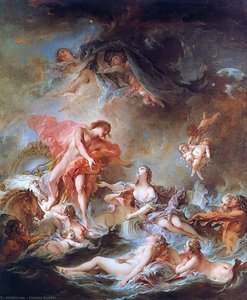
François Boucher's "The Setting of the Sun," painted in 1752, is more than just a beautiful depiction of twilight; it’s a meticulously crafted allegory brimming with symbolism and reflecting the opulent sensibilities of the Rococo era. Commissioned by Madame de Pompadour as a preparatory study for a monumental tapestry destined for the King's bedroom at Château de Bellevue, this painting immediately captivates with its harmonious blend of pastel hues, graceful figures, and an underlying current of mythological narrative. It’s a testament to Boucher’s mastery of light, color, and his ability to infuse even classical themes with a sensual and emotionally resonant quality.
A Rococo Masterpiece: Style and Technique
Boucher was a pivotal figure in the Rococo movement, and “The Setting of the Sun” exemplifies its key characteristics. The painting’s style is characterized by an exquisite delicacy, a playful use of ornamentation, and a focus on beauty and pleasure. Boucher's brushwork is remarkably smooth and refined, creating a sense of ethereal softness that permeates the entire composition. He skillfully employs *chiaroscuro*, contrasting areas of light and shadow to heighten drama and define the forms of his figures. The painting’s surface is rich with impasto – thick layers of paint applied with visible texture – particularly in the clouds and water, lending a tactile quality to the scene. The composition itself is carefully balanced, drawing the eye through a series of overlapping curves and arabesque patterns, mirroring the fluidity of the natural world.
Mythological Narrative and Symbolic Resonance
At its core, “The Setting of the Sun” tells a story rooted in Greek mythology. The central figures are Apollo, returning to his mother Leto, and Thetis, the sea goddess. This pairing represents the cyclical nature of time – the transition from day to night, birth to death, and the eternal dance between heaven and earth. The surrounding nymphs and naiads, rendered with exquisite detail and a palpable sense of languor, embody earthly pleasures and beauty. Notice the deliberate placement of numerous smaller figures—putti (winged cherubs) scattering across the scene—adding layers of playful energy and reinforcing the painting’s celebratory mood. The presence of two majestic white horses further emphasizes the divine nature of the event.
Historical Context and Legacy
“The Setting of the Sun” was created during a period of immense artistic patronage, particularly under Madame de Pompadour, Louis XV’s influential mistress. Boucher's work was highly sought after by the aristocracy, who commissioned him to create lavish decorations for their palaces and estates. These paintings were not intended solely as decorative objects; they served as models for tapestries, which were then woven in incredibly detailed and expensive productions. The painting passed through several collections before finding its permanent home at the Wallace Collection in London, a testament to Boucher’s enduring legacy. It remains one of his most celebrated works, admired for its technical brilliance, its evocative atmosphere, and its profound exploration of classical themes.
Today, “The Setting of the Sun” continues to captivate viewers with its beauty and complexity. Its harmonious blend of mythology, allegory, and exquisite craftsmanship makes it a truly remarkable achievement of the Rococo era – a timeless masterpiece that speaks to our enduring fascination with light, color, and the mysteries of the human experience.
Related Artworks


Artist Biography
François Boucher: A Life in Rococo
François Boucher (1703-1770) was a pivotal figure in 18th-century French art, renowned as one of the most celebrated painters of the Rococo era. His work embodies the elegance, sensuality, and playful spirit that defined this influential style.
Early Life and Training
Born on September 29, 1703, in Paris, France, François Boucher’s artistic journey began under the tutelage of his father, Jean Boucher, a painter himself. At the age of seventeen, he caught the eye of François Lemoyne, leading to a brief but impactful apprenticeship. He further honed his skills with engraver Jean-François Cars before achieving a significant milestone: winning the prestigious Grand Prix de Rome in 1720.
Rise to Prominence and Artistic Development
Boucher’s time in Italy, following his win at the Grand Prix, proved formative. Upon returning to France, he was admitted to the Académie Royale de Peinture et de Sculpture in 1731. His *morceau de réception*, “Rinaldo and Armida” (1734), immediately established him as a master of the Rococo style. This period saw his artistic voice fully emerge, characterized by delicate brushwork, pastel palettes, and an emphasis on mythological and pastoral themes.
Key Works and Themes
Boucher’s oeuvre is remarkably diverse, encompassing mythology, portraiture, genre scenes, and decorative arts. Some of his most celebrated works include:
- “The Breakfast” (1739): A charming depiction of domestic life featuring his wife and children.
- “The Triumph of Venus” (1740-1751): A series of paintings showcasing Boucher’s mastery of mythological narratives.
- Numerous portraits of Madame de Pompadour, the influential mistress of King Louis XV, solidifying his position at court.
- Landscape paintings like “The Setting of the Sun”, demonstrating a lyrical and idyllic vision of nature.
Recurring themes in Boucher’s work include love, beauty, leisure, and the idealized world of mythology. His paintings often evoke a sense of playful eroticism and refined elegance.
Influence and Legacy
Boucher's influence extended far beyond painting. He designed costumes and sets for the theater, created tapestries for the Beauvais workshops, and collaborated with the Gobelins Manufactory. His appointment as *Premier Peintre du Roi* in 1765 cemented his status as the leading artist of the French Rococo.
While later critics questioned the perceived superficiality of Rococo art, Boucher’s impact on subsequent generations is undeniable. He influenced artists such as Jean-Honoré Fragonard and contributed significantly to the development of Neoclassicism through his students.
Historical Significance
François Boucher's work provides a valuable window into the tastes and values of 18th-century French society. His paintings reflect the aristocratic culture of the era, characterized by luxury, refinement, and a pursuit of pleasure. He remains a significant figure in art history, celebrated for his technical skill, artistic innovation, and enduring contribution to the Rococo style.

François Boucher
1703 - 1770 , France
Quick Facts
- Birth Date: September 29, 1703
- Birth Place: Paris, France
- Death Date: 1770
- Influenced By: François Lemoyne, Jean-François Cars
- Movement: Rococo
- Name: François Boucher
- Nationality: French
- Notable Works:
- Rinaldo and Armida
- The Breakfast
- Madame Boucher
- The Setting of the Sun
- Vulcan Presenting Venus with Arms for Aeneas

