 Preview
 Send
Send Share
Share
 Details

 Download
 Similars
 X-Ray
X-Ray Diaporama
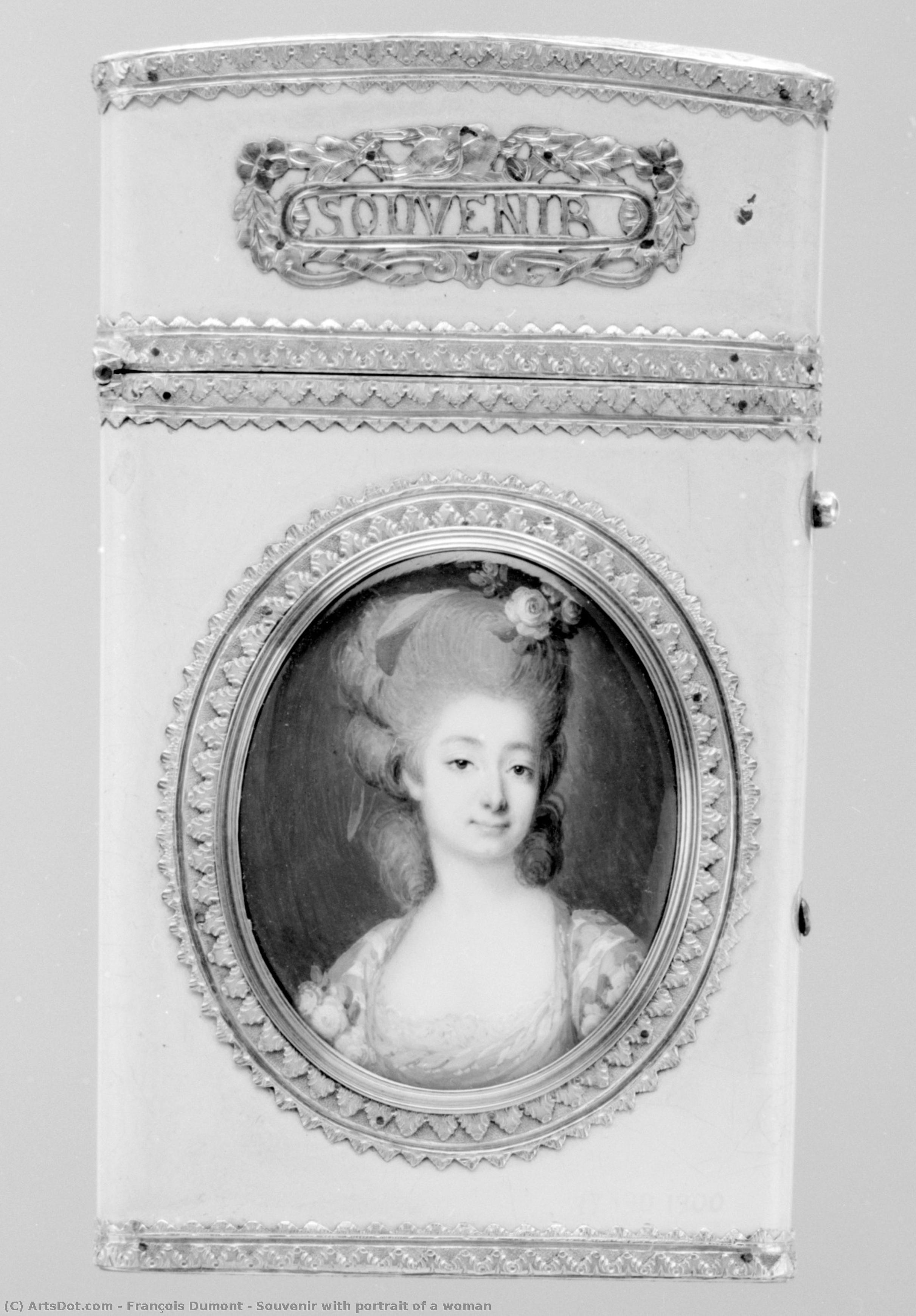
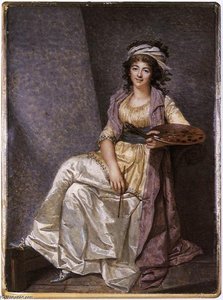
Souvenir with portrait of a woman
 1776
1776 9.0 x 5.0 cm
 Read More
Hand Made Oil Reproduction
Hand-painted oil on canvas in your size and frame, made to order by our artists. ( Buy Print Buy Image)




































Pick from our preset sizes that match the artwork's original proportions.

You may enter your own dimensions to fit a specific frame or space. If your selected size does not match the original image's proportions, we will either crop the artwork or extend the painting with additional hand-painted elements. A digital mockup will be sent for your approval before production begins.
Please note that the on-screen preview does not reflect the actual cropping or extension. Only the mockup will accurately show the final composition.
While custom sizes are available, we recommend selecting a dimension from the predefined list to preserve the original proportions.
After order, ArtsDot.com team will email client for instructions and provide a mockup preview
Worldwide Delivery () in 3/4 weeks instead of standard 5 weeks. (29 August). No compromise on quality.

Free Worldwide Express Shipping

High-Quality Linen Canvas

Full Shipping Insurance

Customs Tax Refund Guarantee

True Color Matching Guarantee

60-Day Return Policy (Defects Only)

100% Money-Back Guarantee

Bulk Discount Offer
 Glass option is only available in size under 110 CM

Souvenir with portrait of a woman
Reproduction Medium
Reproduction Size
-


Total Price
$ 263
Related Artworks






Artist Biography
A Legacy of Refined Elegance: The Life and Art of François Dumont
In the opulent landscape of the French Baroque, where grandeur often leaned toward the theatrical, François Dumont emerged as a master of a more subtle, dignified grace. Born in Lunéville, France, in 1687, Dumont’s life and work became inextricably linked to the aristocratic sensibilities of his era. While the period was frequently defined by dramatic emotion and sweeping gestures, Dumont carved out a unique niche through a refined classical sensibility. His approach to portraiture prioritized meticulous observation and delicate tonal gradations, allowing him to capture not just the physical likeness of his subjects, but an aura of quiet composure and inner spirit.
The foundation of Dumont’s technical prowess can be traced back to his formative years under the guidance of Jean-Baptiste Tourigny. As a respected academic painter, Tourigny instilled in Dumont the essential principles of disegno—the Italian humanist tradition that emphasized anatomical accuracy and an idealized sense of beauty. This rigorous training became the cornerstone of Dumont's artistic identity, guiding his hand toward compositions that favored restraint over flamboyance. By eschewing the excessive ornamentation common among some of his contemporaries, Dumont achieved an understated elegance that resonated deeply with the French nobility.
Mastery of the Portrait and Collaborative Brilliance
Dumont’s artistic output was characterized by a profound ability to convey emotion through the most nuanced means. His canvases frequently featured women, often depicted in serene, contemplative poses within delicately rendered interiors. These works reflected the prevailing societal fascination with feminine beauty and virtue, yet they were elevated by Dumont's exceptional skill in capturing fleeting moments of dignity. He possessed a rare talent for using subtle facial expressions and gentle gestures to breathe life into his subjects, creating a sense of intimacy between the viewer and the painted figure.
A significant chapter in Dumont’s career was marked by his extensive collaborations with Marguerite Gérard. This partnership allowed for a unique blending of talents that cemented his place among the era's most discerning portraitists. Through these shared artistic endeavors, Dumont contributed to a legacy of portraiture that celebrated the sophisticated lifestyle of the French upper class. His work served as a mirror to the social rituals of the time, where the depiction of beauty was often intertwined with the display of status and grace.
Historical Significance and Artistic Enduring Spirit
Though biographical details regarding his later years remain somewhat sparse compared to titans like Boucher or Rigaud, Dumont’s impact on the French portraiture tradition is undeniable. His ability to balance the heavy influence of the Baroque with a burgeoning classical restraint helped bridge the gap between eras. He remains a pivotal figure for those studying the evolution of French art, representing a moment when the pursuit of anatomical perfection met the desire for emotional subtlety.
The enduring significance of François Dumont lies in his commitment to elegance. His portraits remain much more than mere historical records; they are studies in character and composure. Through his mastery of light, shadow, and form, Dumont ensured that his subjects would continue to exude a sense of timeless dignity long after the era of the French Baroque had passed into history.
françois dumont
1687 - 1729 , France
Quick Facts
- Artistic Movement Or Style: Classical Art Style
- Artists Or Movements Influenced By This Artist: ['Marguerite Gérard']
- Date Of Birth: Lunville, France (1687)
- Date Of Death: 1729
- Full Name: François Dumont
- Nationality: French
- Notable Artworks:
- Tomb of the Demoiselles Bonnier
- Souvenir with portrait of a woman
- Place Of Birth: Lunville, France