

 Preview
 Send
Send Share
Share
 Details

 Download
 Similars
 X-Ray
X-Ray Diaporama
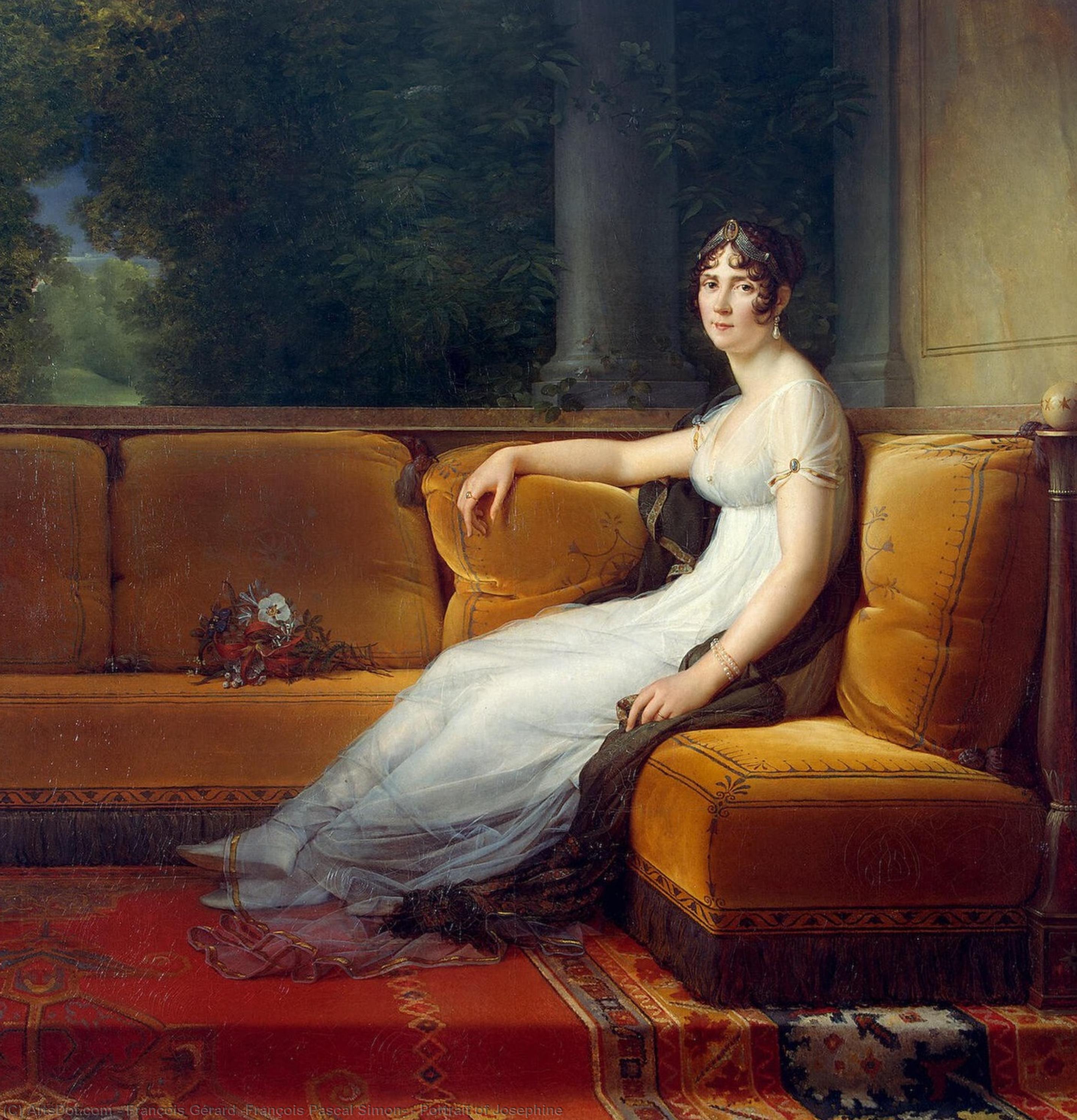
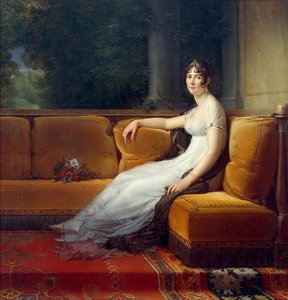
Portrait of Josephine
 Acrylic On Canvas
- WallArt
- Neoclassical
 1801
1801 178.0 x 174.0 cm
 Hermitage Museum
 Read More
Purchase a high-resolution, enhanced digital image, far superior to the online preview.
Each file is meticulously prepared by our in-house specialists using advanced tools and expert manual retouching. We ensure every image has exceptional clarity, precise color accuracy, and fine detail.
The final file is delivered via email within 72 hours, optimized for immediate use in professional, editorial, and print environments. This is the same quality trusted by top-tier design studios, publishers, and galleries.
Digital Image
Download a high-resolution file for personal display, printing, and creative projects. ( Buy Print Buy Hand Made Painting)
Included in Every Digital Image Order
Expert Digital Delivery, Guaranteed
When you choose ArtsDot.com, you're not just getting an image - you're receiving a professionally enhanced digital artwork, crafted with precision and backed by a satisfaction guarantee. Here's everything that comes with your order, automatically:

Fast Email Delivery
Your high-resolution digital image file will be emailed to you within 72 hours of ordering - ready for immediate use.

AI-Enhanced Digital File
Your artwork is professionally optimized using advanced AI tools and manual editing, ensuring maximum detail, clarity, and color accuracy.

Free Lifetime Re-Delivery
Accidentally deleted or lost your file? No worries - we'll resend it to you anytime, free of charge.

No Import Fees - Ever
Enjoy your artwork instantly with zero customs, duties, or delivery fees - digital downloads are always tax-free.

Color Accuracy Guarantee
We ensure your digital image reflects the original colors as closely as possible using professional tools and color management.

60-Day Satisfaction Guarantee
If you're not satisfied with your digital image, we'll revise it or refund 100% within 60 days - no questions asked.

100% Money-Back Guarantee
Not satisfied? Get a full refund within 60 days of receiving your digital file - no questions asked.

Bulk Order Discounts
Buy 3 images, save 10% - Buy 5, save 15% - Buy 10+, save 20%. Great for creative projects, galleries, and agencies.
Collectible Description
The Enigmatic Beauty: Unveiling François Gérard’s ‘Portrait of Josephine’
François Pascal Simon Gérard's “Portrait of Josephine,” painted in 1801, is more than a mere likeness; it’s a meticulously crafted distillation of the Rococo aesthetic – a shimmering tableau of elegance, intimacy, and subtle power. The painting immediately draws the eye to its subject, a woman seated with an air of quiet confidence upon a plush couch, her hands gracefully crossed before her. Her attire, a flowing white gown, is rendered in delicate pastel hues, reflecting the era’s obsession with lightness and refinement. Yet, it's not simply the surface beauty that captivates; Gérard masterfully employs light and shadow to sculpt her form, creating an illusion of depth and volume within the confines of the canvas. The rich orange tones of the couch provide a grounding element, anchoring the scene while simultaneously contributing to the painting’s overall sense of luxurious comfort.
- Style & Technique: Gérard exemplifies the height of Rococo artistry – characterized by its emphasis on grace, ornamentation, and playful asymmetry. Notice the delicate brushstrokes that define the fabric of her gown, the subtle modeling of her face, and the meticulous rendering of the surrounding details—the vases, the dog, and even the potted plant in the corner. The painting’s composition is carefully balanced, creating a harmonious visual experience for the viewer.
- Color Palette: The restrained yet sophisticated color palette – dominated by soft whites, pale blues, and muted pinks – contributes significantly to the painting's serene atmosphere. Gérard skillfully uses highlights and shadows to create a sense of depth and volume, enhancing the three-dimensionality of the scene.
A Royal Portrait in an Age of Transformation
Painted during the Napoleonic era, “Portrait of Josephine” reflects both the grandeur of the French Empire and the lingering influence of the preceding Rococo style. The subject herself, Josephine Cochrane (later Cochrane), was a prominent figure – a woman of considerable social standing and a patron of the arts. Her presence in this painting speaks to the evolving role of women within society during that period, moving beyond traditional domestic roles into spheres of influence and artistic appreciation. The portrait’s creation coincided with a time of significant political upheaval—the rise of Napoleon, the restoration of the monarchy, and the shifting dynamics of European power. Gérard's skill in capturing both the subject’s individual beauty and the broader historical context makes this painting a valuable window into that era.
Historical Context:** The painting was commissioned during the reign of Napoleon Bonaparte, a period marked by both artistic innovation and political instability. Gérard, as one of the Emperor's favored artists, played a crucial role in shaping the visual language of the Empire, often depicting scenes of grandeur and celebration.Symbolism & Intimate Details
Beyond its formal beauty, “Portrait of Josephine” is rich with subtle symbolism. The woman’s crossed hands suggest both composure and introspection—a quiet confidence tempered by a hint of vulnerability. The inclusion of the dog, nestled at her feet, symbolizes loyalty and companionship – a common motif in portraits of this period. Even the carefully arranged vases and potted plant contribute to the overall sense of refinement and domesticity, hinting at the subject’s role as mistress of the house. The choice of orange for the couch is particularly noteworthy; it's a color associated with warmth, prosperity, and royalty – further elevating Josephine’s status.
Further Research:* Exploring related works by François Gérard, such as his “Oath of the Army,” provides valuable insight into his artistic development and stylistic preferences. Examining the broader context of Rococo art—including the influence of artists like Jean-Honoré Fragonard and Antoine Watteau—illuminates the painting’s place within a rich artistic tradition.A Timeless Masterpiece: Reproductions & Beyond
ArtsDot is proud to offer high-quality reproductions of “Portrait of Josephine,” capturing the essence of Gérard's masterful artistry. Whether you are an art enthusiast, a collector seeking to enrich your collection, or simply someone drawn to the beauty and elegance of this iconic portrait, our reproductions provide a stunning way to experience this timeless masterpiece. Each reproduction is meticulously crafted using archival-quality materials, ensuring that it will retain its vibrancy and detail for generations to come. Consider how this painting’s serene composition and subtle details can enhance your own living space – bringing a touch of Rococo grace and historical significance to your home.
Related Artworks
Artist Biography
François Boucher: The Architect of Rococo
François Boucher, born in Paris in 1703, stands as a pivotal figure in the history of French art, inextricably linked to the rise and flourishing of the Rococo style. More than simply a painter, he was an orchestrator – a master designer who shaped interiors, costumes, and decorative arts, effectively defining the aesthetic sensibilities of his era. His career, spanning nearly five decades, witnessed a remarkable evolution from humble beginnings as a printmaker to becoming the most celebrated artist in the service of Louis XV, a testament to his unparalleled skill and astute understanding of royal patronage. Boucher’s legacy isn't confined to individual masterpieces; it resides in his profound influence on an entire artistic movement, transforming the grand, formal style of the Baroque into the intimate, sensual, and playful world of Rococo.Early Life and Artistic Foundations
Boucher’s early life was marked by relative obscurity. Born into a family of modest means, he initially supported himself through printmaking and engraving, skills honed during his apprenticeship with Jean de Jullienne, a prominent publisher and dealer in prints. This period proved crucial, exposing him to the works of masters like Antoine Watteau, whose delicate brushwork and idyllic landscapes would profoundly shape Boucher’s own artistic vision. Crucially, Boucher undertook a lengthy journey to Italy between 1728 and 1730, a formative experience that broadened his artistic horizons beyond the constraints of French tradition. He immersed himself in the works of Venetian painters like Titian and Veronese, absorbing their vibrant color palettes, dynamic compositions, and masterful use of light. Simultaneously, he studied the landscapes of Dutch masters, appreciating their meticulous detail and atmospheric effects – influences which would later manifest in his own pastoral scenes. Returning to Paris, Boucher began to establish himself as a painter, initially producing portraits and mythological subjects, demonstrating an early aptitude for capturing elegant figures and creating visually arresting compositions.The Rise of Rococo and Royal Patronage
Boucher’s career truly took flight with his admission to the Académie Royale de Peinture et de Sculpture in 1734, a pivotal moment that secured him royal recognition and opened doors to lucrative commissions. He quickly became associated with the burgeoning Rococo style, characterized by its emphasis on elegance, grace, eroticism, and playful subject matter. Unlike the solemnity of the Baroque, Rococo embraced intimacy, ornamentation, and a sense of frivolous delight. Boucher was exceptionally adept at translating these principles into his work, creating paintings that were both technically brilliant and emotionally engaging. His early works, such as *The Triumph of Venus*, showcased his mastery of color, composition, and idealized beauty – qualities highly valued by the court of Louis XV. He rapidly gained favor with Madame de Pompadour, the influential mistress of the king, who became a significant patron and played a crucial role in promoting Boucher’s career. This royal support afforded him unparalleled access to commissions for grand interiors, elaborate costumes, and lavish decorative schemes, solidifying his position as the leading artist of his time.Themes and Techniques: A Synthesis of Influences
Boucher's artistic output was remarkably diverse, encompassing mythological scenes, pastoral landscapes, portraits, and allegorical compositions. However, certain recurring themes and stylistic elements defined his distinctive oeuvre. He frequently depicted scenes from classical mythology, reimagining these narratives with a distinctly Rococo sensibility – softening the harshness of ancient tales with delicate colors, graceful figures, and sensual undertones. His pastoral paintings, inspired by the Dutch landscape tradition and the Italianate ideals of Arcadia, presented idyllic landscapes populated by charming shepherds and shepherdesses engaged in romantic pursuits. Boucher’s technical skill was equally impressive. He employed a meticulous technique, characterized by smooth brushwork, subtle gradations of color, and an almost photographic realism in his depictions of fabrics and textures. He skillfully manipulated light and shadow to create atmospheric effects and heighten the emotional impact of his scenes. Notably, he favored a high-toned palette dominated by pinks, blues, and golds – colors that perfectly complemented the opulent interiors of royal palaces and aristocratic salons.Legacy and Historical Significance
François Boucher’s influence on French art is undeniable. He not only popularized the Rococo style but also established a new visual language characterized by its elegance, sensuality, and decorative flair. His designs for interior decoration, furniture, and textiles were widely imitated, shaping the aesthetic of aristocratic residences throughout Europe. Despite facing criticism later in his career – particularly from Denis Diderot who deemed him lacking in “truth” – Boucher remained a hugely popular artist during his lifetime. His works continue to be celebrated for their beauty, technical brilliance, and enduring appeal. He remains a cornerstone of the Rococo movement, a testament to the power of patronage, and an embodiment of the refined tastes of 18th-century France. His legacy extends beyond individual paintings; he essentially codified the visual language of a generation, leaving an indelible mark on the history of art.
françois gérard (françois pascal simon)
1770 - 1837 , Italy
Quick Facts
- Artistic Movement Or Style: Rococo
- Artists Or Movements Influenced By This Artist:
- Watteau
- Rococo
- Artists Who Influenced This Artist:
- Antoine Watteau
- Giovanni Battista Tiepolo
- Date Of Birth: 1703
- Date Of Death: 1770
- Full Name: François Boucher
- Nationality: French
- Notable Artworks:
- The Triumph of Venus
- Psyche Revived by Cupid's Kiss
- Design for a Funeral Monument
- Place Of Birth: Paris, France

