

 Send
Send Share
Share
 Details

 Download
 Similars
 Diaporama
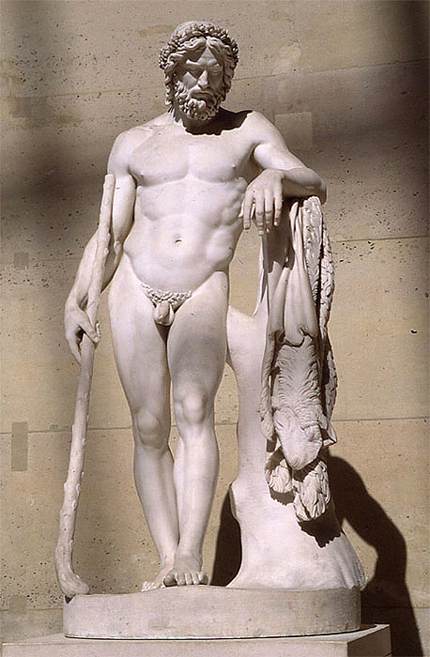
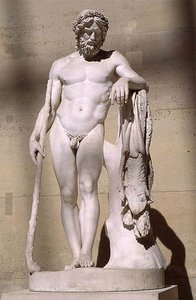
Aristaeus, God of the Gardens


 Read More
Purchase a high-resolution, enhanced digital image, far superior to the online preview.
Each file is meticulously prepared by our in-house specialists using advanced tools and expert manual retouching. We ensure every image has exceptional clarity, precise color accuracy, and fine detail.
The final file is delivered via email within 72 hours, optimized for immediate use in professional, editorial, and print environments. This is the same quality trusted by top-tier design studios, publishers, and galleries.
Digital Image
Download a high-resolution file for personal display, printing, and creative projects. ( Buy Print Buy Hand Made Painting)
Included in Every Digital Image Order
Expert Digital Delivery, Guaranteed
When you choose ArtsDot.com, you're not just getting an image - you're receiving a professionally enhanced digital artwork, crafted with precision and backed by a satisfaction guarantee. Here's everything that comes with your order, automatically:

Fast Email Delivery
Your high-resolution digital image file will be emailed to you within 72 hours of ordering - ready for immediate use.

AI-Enhanced Digital File
Your artwork is professionally optimized using advanced AI tools and manual editing, ensuring maximum detail, clarity, and color accuracy.

Free Lifetime Re-Delivery
Accidentally deleted or lost your file? No worries - we'll resend it to you anytime, free of charge.

No Import Fees - Ever
Enjoy your artwork instantly with zero customs, duties, or delivery fees - digital downloads are always tax-free.

Color Accuracy Guarantee
We ensure your digital image reflects the original colors as closely as possible using professional tools and color management.

60-Day Satisfaction Guarantee
If you're not satisfied with your digital image, we'll revise it or refund 100% within 60 days - no questions asked.

100% Money-Back Guarantee
Not satisfied? Get a full refund within 60 days of receiving your digital file - no questions asked.

Bulk Order Discounts
Buy 3 images, save 10% - Buy 5, save 15% - Buy 10+, save 20%. Great for creative projects, galleries, and agencies.
Collectible Description
The Sculptor's Vision: François Joseph Bosio and Aristaeus
François Joseph Bosio’s “Aristaeus, God of the Gardens,” a marble sculpture created in 1817, is more than just a depiction of a Greek deity; it’s a meticulously crafted embodiment of Neoclassical ideals and a poignant reflection on the relationship between humanity and the natural world. Bosio, a sculptor deeply embedded within the artistic circles of Napoleon III's France, possessed an extraordinary ability to capture both the monumental power and subtle grace of classical subjects. This particular piece, housed in the Louvre Museum, stands as a testament to his technical mastery and his profound understanding of the mythological narratives he chose to portray.
The sculpture depicts Aristaeus, a figure often overlooked in Greek mythology yet profoundly significant. He wasn’t a hero of epic battles or grand adventures, but rather a divine shepherd, associated with agriculture, beekeeping, and the bounty of the earth. Bosio elevates this humble role to one of quiet dignity and serene authority. The pose—Aristaeus leaning slightly on his hip, staff in hand—suggests a contemplative presence, a guardian watching over his domain. His muscular physique, rendered with remarkable precision in the cool, smooth marble, speaks to the strength required for tending the land, while his relaxed posture conveys an underlying sense of peace and contentment.
A Masterclass in Neoclassical Technique
Bosio’s skill lies not merely in replicating a classical form but in imbuing it with life. The marble itself is treated with exquisite care—the surface polished to a luminous sheen, revealing the subtle veining and textures of the stone. The drapery, though minimal, flows naturally from his body, adding volume and movement without sacrificing the sculpture’s overall sense of stability. Notice particularly the detail in the beard – each strand meticulously carved, conveying both age and wisdom. The artist's attention to anatomical accuracy is evident throughout, reflecting a deep understanding of human form honed through years of study.
The choice of marble—a material prized for its ability to capture light and shadow—further enhances the sculpture’s impact. Bosio expertly manipulates these qualities, creating a sense of depth and volume that draws the viewer into the scene. The subtle gradations in tone – from the brighter highlights on his torso to the cooler shadows beneath him – contribute to the sculpture's three-dimensionality and imbue it with an almost palpable presence.
Symbolism and the Cult of Rural Harmony
Aristaeus’s significance extends beyond his agricultural associations. He represents a fundamental human connection to the earth, a reverence for the cycles of nature and the rewards of honest labor. The sculpture can be interpreted as an allegory for the ideal state—a harmonious balance between humanity and its environment. The staff he holds is often associated with fertility and abundance, reinforcing this symbolic message.
Furthermore, Aristaeus’s story resonates with broader themes of transformation and renewal. He was a figure who brought civilization to the wilderness, teaching mortals essential skills and fostering a sense of community. Bosio's sculpture captures this spirit of progress and prosperity, suggesting that through careful stewardship and respect for nature, humanity can achieve a state of enduring well-being. The inclusion of elements like bees and honey—symbols of industry and sweetness—adds another layer to the sculpture’s rich symbolism.
A Legacy of Grace: Bosio's Place in Artistic History
François Joseph Bosio was a pivotal figure in 19th-century sculpture, inextricably linked to the grandeur of Napoleonic France. His work, particularly his portraits of royalty and mythological figures, reflects the era’s fascination with classical antiquity while simultaneously embracing contemporary artistic trends. “Aristaeus, God of the Gardens” stands as one of his most compelling achievements—a masterful synthesis of technical skill, symbolic depth, and emotional resonance. It remains a powerful reminder of the enduring beauty and wisdom found within the traditions of classical art.
Related Artworks


Artist Biography
The Sculptor of Empires: The Life and Legacy of François Joseph Bosio
In the grand, sweeping theater of nineteenth-century European history, few artists captured the shifting tides of power as elegantly as Baron François Joseph Bosio. Born in the serene principality of Monaco in 1768, Bosio’s destiny was shaped by a rare blend of aristocratic patronage and rigorous classical training. A prestigious scholarship from Prince Honoré I acted as his gateway to the heart of the art world, leading him to the prestigious Parisian ateliers. Under the watchful eye of the eminent sculptor Augustin Pajou, Bosio mastered the neoclassical language—a style defined by its reverence for antiquity, anatomical precision, and a profound sense of monumental dignity. This foundational period instilled in him an ability to translate the ephemeral glory of political figures into the eternal permanence of marble and bronze.
The turbulent years of the French Revolution and the subsequent rise of the Napoleonic era provided the dramatic backdrop for Bosio’s professional ascent. While his early life included brief service in the Revolutionary army, his true battlefield was the studio. As he traveled through Florence, Rome, and Naples, he absorbed the classical spirit of Italy, contributing to significant religious commissions that refined his ability to handle complex mythological narratives. However, it was his recruitment by Dominique Vivant Denon in 1808 that would forever cement his place in history. Tasked with creating bas-reliefs for the monumental Place Vendôme, Bosio began to weave himself into the very fabric of the French Imperial identity.
A Master of Portraiture and Imperial Grandeur
Bosio’s talent reached its zenith when he became the official sculptor to Napoleon I. He possessed a singular gift for capturing not just the likeness, but the psychological weight of his subjects. His marble busts of Empress Josephine and Hortense de Beauharnais remain among the most celebrated portrait sculptures of the era. In these works, one finds a breathtaking balance between the regal authority required by the court and a delicate, humanizing grace. The exquisite detail he achieved was so profound that his designs were even replicated in the fine Sèvres porcelain, allowing his imperial vision to permeate the domestic spaces of the French elite.
Beyond the intimate scale of portraiture, Bosio demonstrated an unparalleled command over monumental public works. His career was a continuous dialogue with the great monuments of Paris and beyond:
- The Equestrian Statue of Louis XIV: A colossal bronze achievement that stands as a testament to his mastery of large-scale casting and his ability to evoke the sheer majesty of the Bourbon monarchy.
- The Quadriga of the Arc de Triomphe du Carrousel: A work that exemplifies his ability to contribute to the architectural triumphs of the age.
- Hercules battling Acheloos: Housed in the Louvre, this dramatic piece showcases his skill in depicting raw, mythological struggle and anatomical tension.
The Enduring Resonance of a Neoclassical Vision
As the political landscape shifted from the Empire to the restored monarchy, Bosio’s career demonstrated a remarkable resilience. He navigated the transition with such grace that he earned titles including Knight of the Order of Saint Michael and was eventually elevated to the rank of Baron by Charles X. Even as the era of Louis-Philippe saw him stripped of certain titles, his reputation as the preeminent portrait sculptor in Paris remained unshakable. He continued to produce works that bridged the gap between the classical ideals of the past and the burgeoning romanticism of the mid-nineteenth century.
The significance of François Joseph Bosio lies in his role as a visual chronicler of an era. Through his hands, the fleeting triumphs of Napoleon and the enduring traditions of the French monarchy were transformed into stone and metal. His work, much of which remains a cornerstone of the Louvre Museum collections, continues to inspire awe through its technical perfection and its ability to imbue cold marble with the warmth of life and the weight of history. He remains a definitive voice of Neoclassicism, an artist who understood that true greatness is found in the perfect marriage of anatomical truth and poetic grandeur.
françois joseph bosio
1768 - 1845 , France
Quick Facts
- Artistic Movement Or Style: Classical Sculpture
- Artists Or Movements Influenced By This Artist: ['Neoclassicism']
- Artists Who Influenced This Artist: ['Augustin Pajou']
- Date Of Birth: 1768 Monaco France
- Date Of Death: 1845
- Full Name: François Joseph Bosio
- Nationality: French Monegasque
- Notable Artworks:
- Louis XIV Statue
- Quadriga Paris
- Bust of Josephine
- Young Indian Woman Wrapping Shell Band
- Place Of Birth: Monaco France

