 Preview
 Send
Send Share
Share
 Details

 Download
 Similars
 X-Ray
X-Ray Diaporama
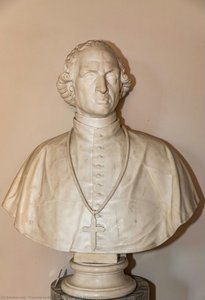
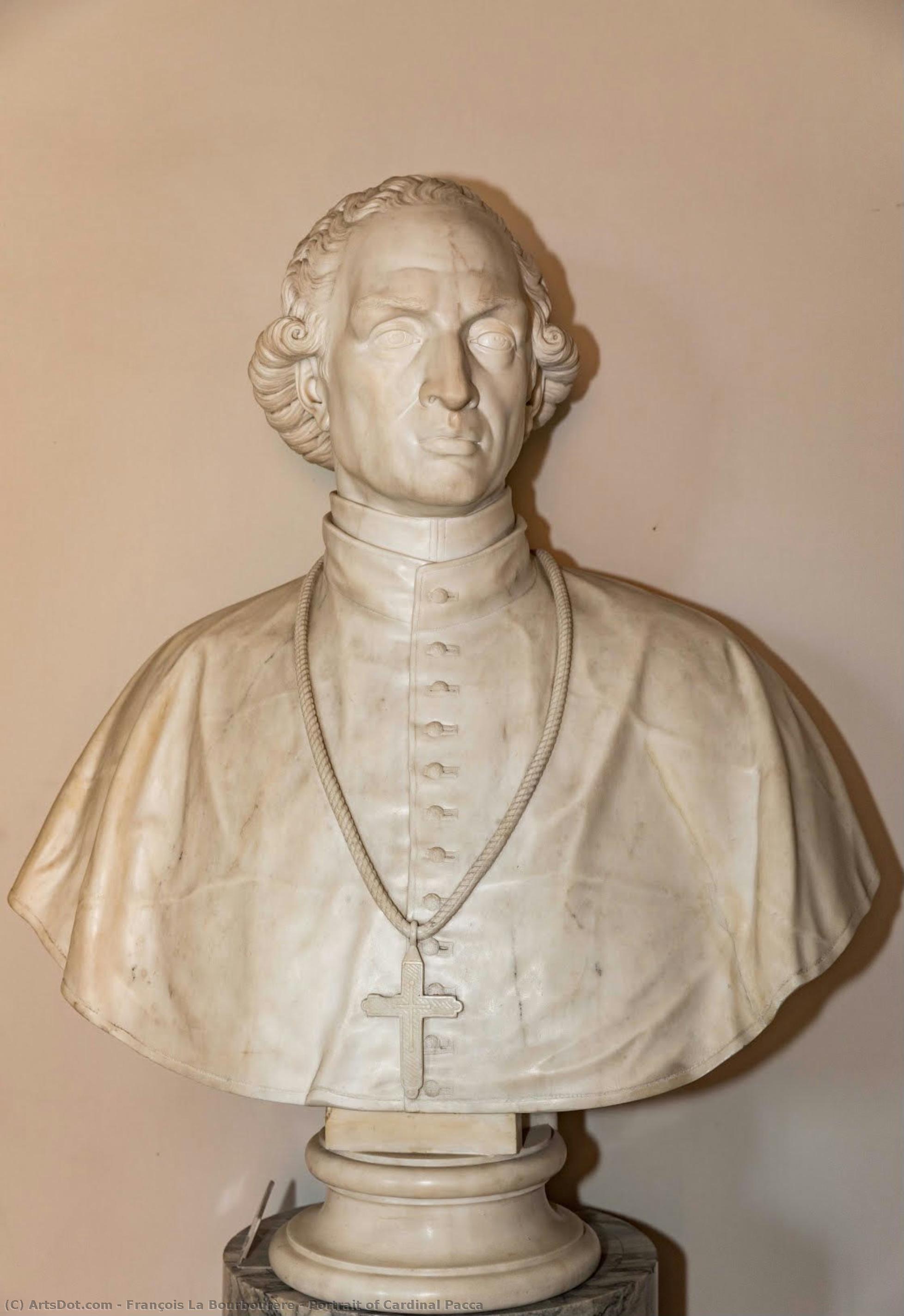
Portrait of Cardinal Pacca
 77.0 x 71.0 cm
 Accademia di San Luca
 Read More
Hand Made Oil Reproduction
Hand-painted oil on canvas in your size and frame, made to order by our artists. ( Buy Print Buy Image)




































Pick from our preset sizes that match the artwork's original proportions.

You may enter your own dimensions to fit a specific frame or space. If your selected size does not match the original image's proportions, we will either crop the artwork or extend the painting with additional hand-painted elements. A digital mockup will be sent for your approval before production begins.
Please note that the on-screen preview does not reflect the actual cropping or extension. Only the mockup will accurately show the final composition.
While custom sizes are available, we recommend selecting a dimension from the predefined list to preserve the original proportions.
After order, ArtsDot.com team will email client for instructions and provide a mockup preview
Worldwide Delivery () in 3/4 weeks instead of standard 5 weeks. (24 August). No compromise on quality.

Free Worldwide Express Shipping

High-Quality Linen Canvas

Full Shipping Insurance

Customs Tax Refund Guarantee

True Color Matching Guarantee

60-Day Return Policy (Defects Only)

100% Money-Back Guarantee

Bulk Discount Offer
 Glass option is only available in size under 110 CM

Portrait of Cardinal Pacca
Reproduction Medium
Reproduction Size
-


Total Price
$ 263
Related Artworks







Artist Biography
A Life Immersed in Roman Elegance: The World of François La Bourbourère
François La Bourbourère, a name resonating with the refined sensibilities of 18th-century Rome, was born Francesco Laboureur in the heart of Italy’s capital city in 1661. While his origins lay firmly within the Italian artistic tradition, his career unfolded as a captivating blend of Baroque grandeur and Rococo delicacy, serving an elite clientele that included some of Europe's most powerful families. His life, though not extensively documented, reveals a painter deeply attuned to the shifting tastes of his era, one who skillfully captured both the theatricality and intimate moments of aristocratic society. La Bourbourère wasn’t merely documenting his patrons; he was crafting an image of their world—a world steeped in privilege, intellectual pursuits, and carefully cultivated appearances. He died in 1742, leaving behind a legacy of portraits and genre scenes that offer a compelling glimpse into the lives of the Roman nobility.From Baroque Foundations to Rococo Refinement
The artistic landscape of Rome during La Bourbourère’s formative years was dominated by the late Baroque style—characterized by dramatic compositions, intense chiaroscuro, and a sense of dynamic movement. While early influences undoubtedly stemmed from masters like Caravaggio, whose revolutionary use of light profoundly impacted Roman painting, La Bourbourère gradually transitioned towards the more graceful and ornate aesthetic of the Rococo period. This shift wasn’t abrupt; rather, it was a subtle evolution marked by softer palettes, lighter brushwork, and an increased focus on elegance and refinement. His technique involved meticulous oil paintings on canvas, achieving luminous surfaces and tonal gradations that enhanced realism while simultaneously conveying an atmosphere of aristocratic grace. He didn't abandon the Baroque’s attention to detail but infused it with a newfound lightness and charm. This ability to synthesize these styles made his work particularly appealing to patrons seeking art that reflected both their power and their sophisticated tastes.Patronage, Portraits, and Theatrical Scenes
La Bourbourère's career was significantly shaped by the patronage of prominent families—most notably the Bourbon and Medici dynasties. These commissions weren’t simply about creating likenesses; they were exercises in social representation, designed to project an image of authority, wealth, and cultural refinement. His portraits are not merely studies of individuals but carefully constructed narratives that reveal much about the status and aspirations of his sitters. Beyond portraiture, La Bourbourère excelled in genre scenes—depictions of everyday life, often set within elegant interiors or theatrical settings. These works frequently showcased members of society engaged in intellectual pursuits, such as reading or attending performances at the Comédie Française. “Andrieux Reading”, for example, captures a formal 19th-century scene showcasing academic style and muted tones. These scenes weren’t simply observations of daily life; they were idealized representations that reinforced the values and lifestyle of the upper classes. The inclusion of theatrical themes suggests an interest in performance and illusion—a reflection perhaps of the carefully constructed social roles played by his patrons.A Lasting Legacy: Echoes of Roman Society
Although not as widely celebrated as some of his contemporaries, François La Bourbourère occupies a significant place within the history of Roman art. His works provide invaluable insights into the lives and tastes of the aristocracy during the Baroque and Rococo periods. “Portrait of Cardinal Pacca”, with its masterful use of chiaroscuro, stands as a testament to his technical skill and artistic vision. His ability to blend Baroque drama with Rococo elegance created a unique style that appealed to a discerning clientele. Today, La Bourbourère’s paintings can be found in numerous museums and churches across Italy, offering modern viewers a captivating glimpse into the world of 18th-century Roman society—a world of privilege, intellectual pursuits, and carefully cultivated appearances. His legacy lies not only in his artistic achievements but also in his ability to capture the essence of an era, preserving its elegance and sophistication for generations to come.
françois la bourbourère
1661 - 1742 , Italy
Quick Facts
- Artistic Movement Or Style: Roman Baroque & Rococo
- Date Of Birth: Rome, Italy (1661)
- Date Of Death: 1742
- Full Name: François La Bourbourère
- Nationality: Italian
- Notable Artworks: ['Portrait of Cardinal Pacca']
- Place Of Birth: Rome