

 Preview
 Send
Send Share
Share
 Details

 Download
 Similars
 X-Ray
X-Ray Diaporama
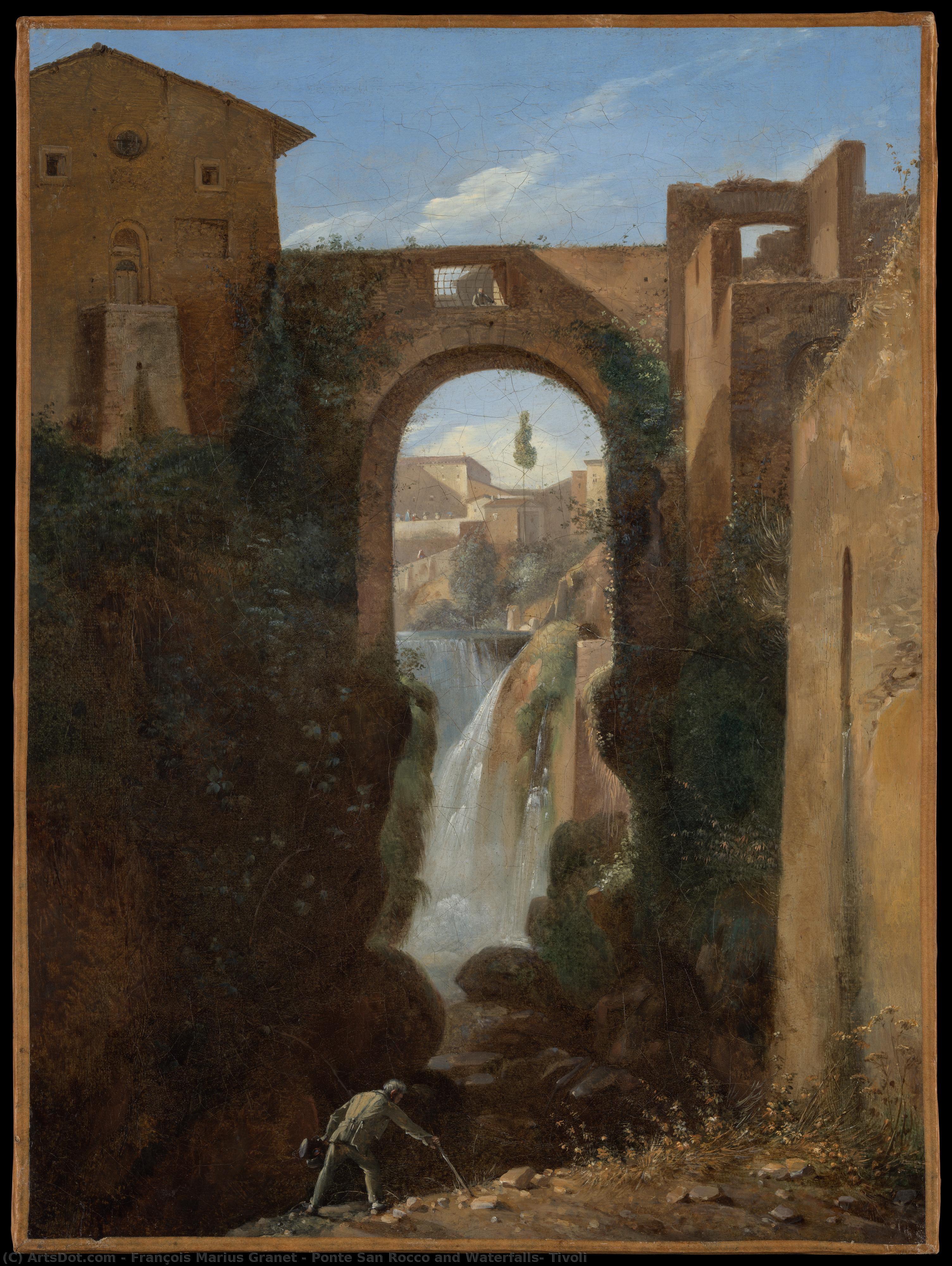
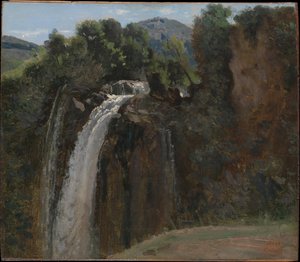
Ponte San Rocco and Waterfalls, Tivoli
 Oil On Canvas
- WallArt
- Roman Revival
 1810
1810 38.0 x 28.0 cm
 Metropolitan Museum of Art
 Read More
Purchase a high-resolution, enhanced digital image, far superior to the online preview.
Each file is meticulously prepared by our in-house specialists using advanced tools and expert manual retouching. We ensure every image has exceptional clarity, precise color accuracy, and fine detail.
The final file is delivered via email within 72 hours, optimized for immediate use in professional, editorial, and print environments. This is the same quality trusted by top-tier design studios, publishers, and galleries.
Digital Image
Download a high-resolution file for personal display, printing, and creative projects. ( Buy Print Buy Hand Made Painting)
Included in Every Digital Image Order
Expert Digital Delivery, Guaranteed
When you choose ArtsDot.com, you're not just getting an image - you're receiving a professionally enhanced digital artwork, crafted with precision and backed by a satisfaction guarantee. Here's everything that comes with your order, automatically:

Fast Email Delivery
Your high-resolution digital image file will be emailed to you within 72 hours of ordering - ready for immediate use.

AI-Enhanced Digital File
Your artwork is professionally optimized using advanced AI tools and manual editing, ensuring maximum detail, clarity, and color accuracy.

Free Lifetime Re-Delivery
Accidentally deleted or lost your file? No worries - we'll resend it to you anytime, free of charge.

No Import Fees - Ever
Enjoy your artwork instantly with zero customs, duties, or delivery fees - digital downloads are always tax-free.

Color Accuracy Guarantee
We ensure your digital image reflects the original colors as closely as possible using professional tools and color management.

60-Day Satisfaction Guarantee
If you're not satisfied with your digital image, we'll revise it or refund 100% within 60 days - no questions asked.

100% Money-Back Guarantee
Not satisfied? Get a full refund within 60 days of receiving your digital file - no questions asked.

Bulk Order Discounts
Buy 3 images, save 10% - Buy 5, save 15% - Buy 10+, save 20%. Great for creative projects, galleries, and agencies.
Collectible Description
A Roman Vista Transformed: Granet’s Ponte San Rocco
François Marius Granet's "Ponte San Rocco and Waterfalls, Tivoli" isn’t merely a depiction of a picturesque Italian landscape; it’s a carefully constructed meditation on observation, memory, and the artist’s own journey through the heart of Europe. Completed around 1810-20, this intimate painting captures a fleeting moment along the Aniene River in Tivoli, a town just outside Rome, offering a remarkably detailed glimpse into a world both familiar and subtly transformed by Granet's artistic vision. The scene unfolds with an almost theatrical precision – the imposing arch of the Ponte San Rocco serves as a dramatic frame for the cascading waterfalls and the bustling village nestled within the valley below. It’s a view that speaks to the enduring allure of Roman architecture and the romantic ideals of the early 19th century, reflecting Granet's deep engagement with both classical art and the burgeoning spirit of artistic innovation.
Granet’s approach is distinctly tonal, a hallmark of his style developed during his time in Italy. He eschews the bright, saturated colors favored by many of his contemporaries, instead employing a muted palette dominated by earthy browns, ochres, and subtle greens. This restrained use of color allows the textures – the rough stone of the bridge, the shimmering water, the weathered facades of the buildings – to take center stage. The artist’s meticulous attention to detail is immediately apparent; every cobblestone, every ripple in the river, every fold in a building's roof is rendered with remarkable precision. This isn’t simply a representation of a place; it’s an intensely felt experience, captured through a deliberate and considered process.
The Artist’s Journey: From David’s Studio to Roman Inspiration
Born in Aix-en-Provence in 1775, François Marius Granet's artistic development was profoundly shaped by his early apprenticeship with Jacques-Louis David, the celebrated Neoclassical painter. However, it was a transformative visit to Italy in 1802 that truly ignited his passion and established his unique style. He spent several years immersed in the Italian landscape, studying the works of masters like Canaletto and Piranesi, absorbing the light, color, and atmosphere of the region. This experience profoundly influenced his later work, particularly his focus on small Roman views – intimate scenes that capture the essence of a place with remarkable clarity and emotional resonance.
The painting’s creation is inextricably linked to Granet's time in Italy. It was conceived from an oil sketch executed outdoors at the site itself, a technique he frequently employed to directly translate his observations onto canvas. This immediacy—the artist working directly from nature—is evident in the painting’s vibrant sense of atmosphere and its palpable energy. The inclusion of the Musée Granet, Aix-en-Provence, as the source for the original sketch further underscores this connection between observation, creation, and artistic legacy.
Symbolism and Emotional Resonance
Beyond its technical brilliance, “Ponte San Rocco and Waterfalls” is rich in symbolic meaning. The bridge itself—a Roman structure dating back to antiquity—represents a link between the past and the present, connecting the viewer to centuries of history. The cascading waterfalls evoke notions of movement, change, and the relentless flow of time. The village nestled within the valley symbolizes human settlement and the enduring spirit of community. The figures in the foreground, seemingly enjoying the view, invite us to contemplate our own relationship with nature and the beauty that surrounds us.
Granet’s masterful use of light and shadow further enhances the painting's emotional impact. The dappled sunlight filtering through the trees creates a sense of warmth and intimacy, while the deep shadows accentuate the drama of the landscape. This interplay of light and dark not only adds depth to the scene but also imbues it with a profound sense of mystery and contemplation. The overall effect is one of quiet beauty—a testament to Granet’s ability to capture the essence of a place and evoke a powerful emotional response in the viewer.
A Timeless Masterpiece: Reproduction Possibilities
Reproduced faithfully on high-quality canvas or archival paper, “Ponte San Rocco and Waterfalls, Tivoli” offers a stunning addition to any interior space. Its rich colors, intricate details, and evocative atmosphere will bring a touch of Roman elegance and timeless beauty to your home. Whether you’re an art collector, an admirer of classical landscapes, or simply seeking a piece that speaks to the soul, this painting is sure to captivate and inspire.
Related Artworks



Artist Biography
Early Life and Artistic Beginnings
François Marius Granet, born in Aix-en-Provence on December 17, 1775, emerged from humble beginnings. His father was a modest builder, a life far removed from the world of art that would ultimately consume his son’s passions. Even as a young boy, Granet possessed an intense artistic drive, prompting his parents to seek instruction for him—first from a passing Italian artist and then at a free school directed by M. Constantin, a respected landscape painter. This early exposure laid the foundation for his future endeavors, though it was his experiences during the tumultuous years of the French Revolution that would first shape his artistic vision. In 1793, Granet joined the volunteers of Aix at the siege of Toulon, not as a soldier but as a decorator in the arsenal. This period provided him with practical skills and a firsthand glimpse into the realities of conflict—a theme that would subtly permeate his later work. A pivotal encounter with the young Comte de Forbin proved transformative; upon Forbin’s invitation, Granet journeyed to Paris in 1797, entering the prestigious studio of Jacques-Louis David.The Studio of David and the Capuchin Monastery
David's rigorous neoclassical style initially influenced Granet, but he soon began to forge his own path. He secured a cell within the former Capuchin monastery—a space once used for printing revolutionary assignats—which had become a haven for artists. It was here, amidst the play of light and shadow in the ancient corridors, that Granet conceived what would become his life’s defining work: “The Choir of the Capuchins.” He dedicated himself to this painting with unwavering commitment, revisiting and refining it repeatedly over decades. The monastery itself became more than just a studio; it was an environment that profoundly impacted his artistic sensibility. Unlike many of his contemporaries who focused on grand historical narratives or portraits of the elite, Granet found beauty and meaning in the quiet austerity of monastic life, exploring the interplay between architecture, light, and human presence. This focus wasn’t merely aesthetic; it reflected a deeper interest in spirituality and the passage of time.Roman Years and the Development of Tonal Painting
In 1802, Granet embarked on an extended sojourn to Rome, a period that proved crucial to his artistic maturation. He remained there until 1819, immersing himself in the classical heritage of the city and absorbing its atmosphere of grandeur and decay. It was during these years that he fully developed his distinctive tonal style—a technique characterized by subtle gradations of light and shadow, emphasizing atmospheric effects over precise detail. His Roman paintings, such as “Stella Painting a Madonna on his Prison Wall” (1810) and “Sodoma at the Hospital” (1815), demonstrate this evolving approach. He wasn’t interested in recreating historical events with photographic accuracy; instead, he sought to capture the emotional resonance of a scene through carefully orchestrated tones and compositions. The figures within his works often appear integrated into the architectural setting, almost as if they are extensions of the stone and plaster around them. This emphasis on tone became his signature, distinguishing him from other artists of the period.Later Career and Legacy
Upon returning to Paris in 1819, Granet continued to refine his unique style, producing a series of significant works including “Basilica Basse di St François d'Assise” (1823) and “The Redemption of Prisoners” (1831). He was appointed director of the Académie de France in Rome in 1829, a testament to his growing reputation. His paintings consistently prioritized atmosphere and emotional depth over narrative clarity. Even works with historical or religious themes—like "Death of Poussin" (1834)—were treated as opportunities to explore tonal effects and architectural space. Granet’s dedication to tone sometimes drew criticism; some found his work lacking in dramatic intensity, but he remained steadfast in his artistic vision. He was a master of creating mood and evoking a sense of quiet contemplation. François Marius Granet died in 1849, leaving behind a body of work that continues to captivate viewers with its subtle beauty and unique sensibility. His influence can be seen in the later works of artists who explored similar themes of spirituality, atmosphere, and the interplay between light and architecture. The Musée Granet in Aix-en-Provence, established after his death, serves as a lasting tribute to his life and artistic achievements, housing many of his most important paintings and offering visitors a glimpse into the world of this remarkable French painter.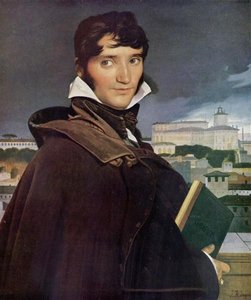
françois marius granet
1775 - 1849 , France
Quick Facts
- Artistic Movement Or Style: Tonal Painting
- Artists Who Influenced This Artist: ['David']
- Date Of Birth: December 17, 1775
- Date Of Death: 1849
- Full Name: François Marius Granet
- Nationality: French
- Notable Artworks:
- Chœur des Capucins
- Stella painting a Madonna
- Sodoma à l'hôpital
- Rachat de prisonniers
- Mort de Poussin
- Place Of Birth: Aix-en-Provence, France

