 Preview
 Send
Send Share
Share
 Details

 Download
 Similars
 X-Ray
X-Ray Diaporama
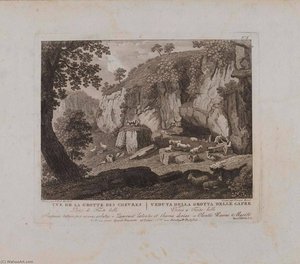
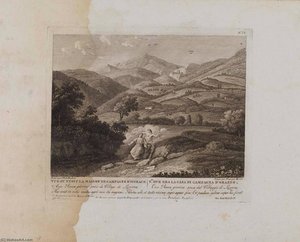
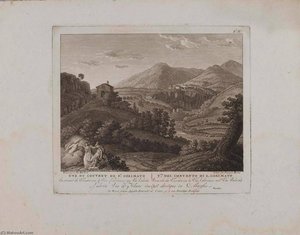
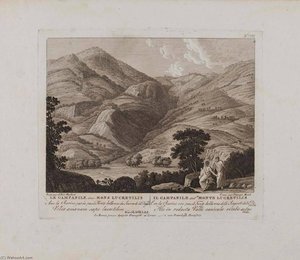
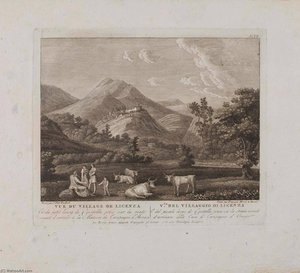
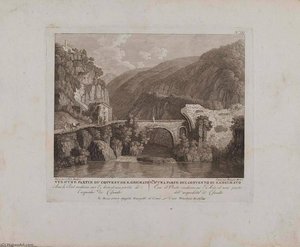
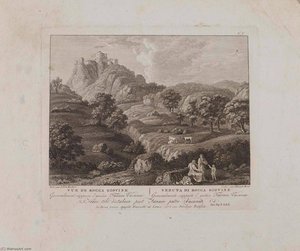
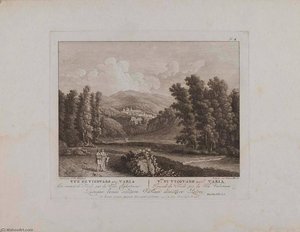
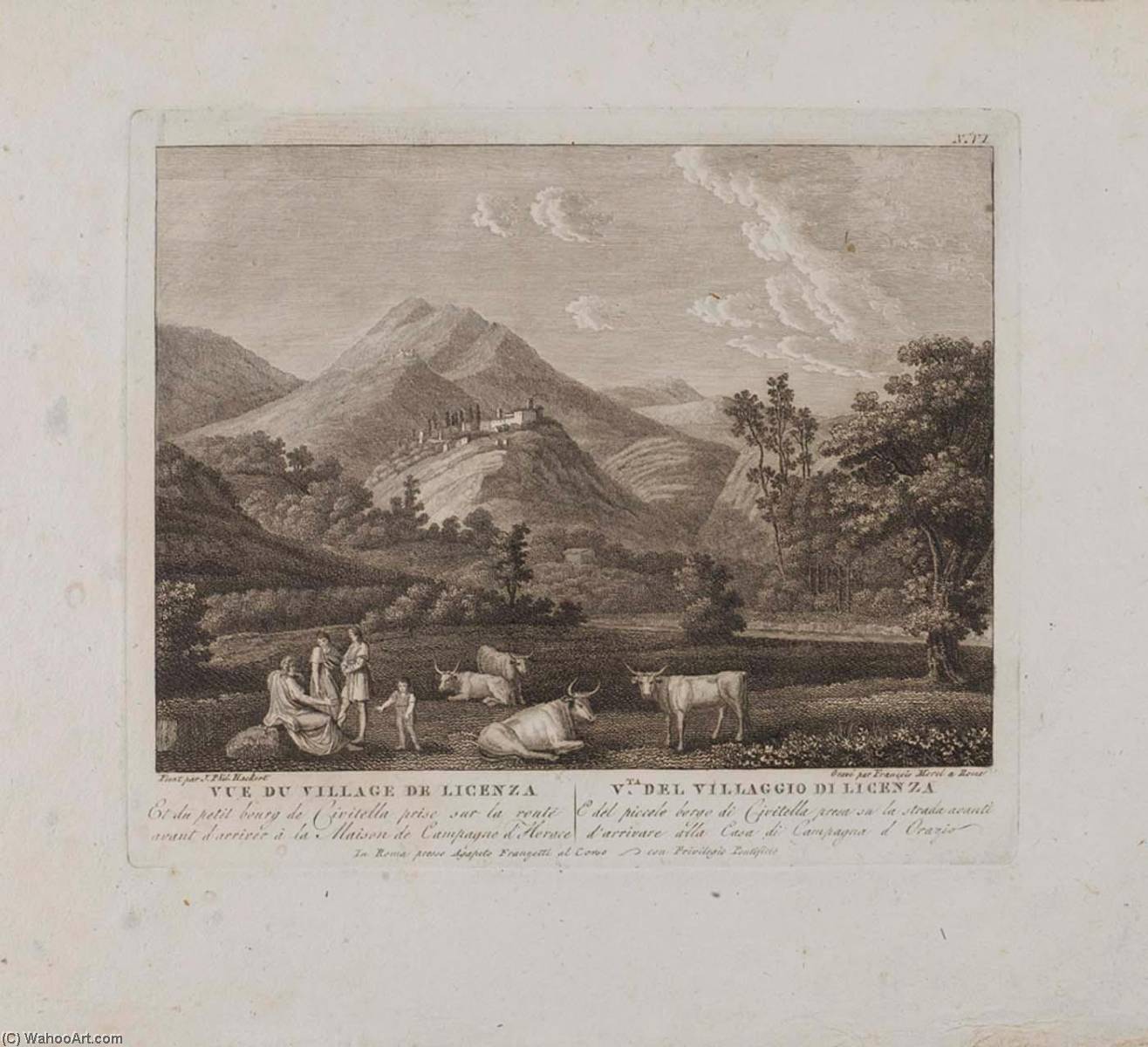
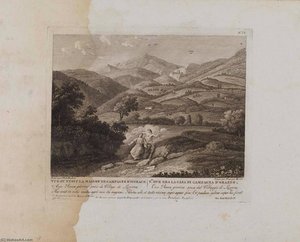
Vue du Village de Licenzo (no. VI)
 Read More
Giclée / Art Print
Museum-quality giclée or canvas print with fast production and flexible finish options. ( Buy Hand Made Painting Buy Image)




































Pick from our preset sizes that match the artwork's original proportions.

You may enter your own dimensions to fit a specific frame or space. If your selected size does not match the original image's proportions, we will either crop the artwork or extend the image with a mirrored or solid-fill edge. A digital mockup will be sent for your approval before production begins.
Please note that the on-screen preview does not reflect the actual cropping or extension. Only the mockup will accurately show the final composition.
While custom sizes are available, we recommend selecting a dimension from the predefined list to preserve the original proportions.
Worldwide Delivery () in 2 weeks instead of standard 4/5 weeks. (27 August)

Free Worldwide Express Shipping

High-Quality Linen Canvas

Full Shipping Insurance

Customs Tax Refund Guarantee

True Color Matching Guarantee

60-Day Return Policy (Defects Only)

100% Money-Back Guarantee

Bulk Discount Offer
 Glass option is only available in size under 110 CM

Vue du Village de Licenzo (no. VI)
Giclée / Art Print
Reproduction Size
-


Total Price
$ 63
Related Artworks



Artist Biography
The Silent Echoes of the Roman Campagna
In the delicate interplay of light and shadow that defines the early nineteenth-century landscape, the name François Morel resonates as a master of meticulous observation. Born in France around 1768, Morel emerged during a transformative era when the art of printmaking began to bridge the gap between topographical documentation and profound emotional expression. While history often reserves its brightest spotlights for the primary creators of original canvases, Morel’s significance lies in his role as a vital conduit of visual culture, translating the grandeur of Europe’s most storied landscapes into enduring, intricate engravings that captured the very soul of the Roman countryside.
Morel’s artistic journey was not merely one of technical reproduction but an evocative dialogue with the masters who preceded him. His early years, likely shaped by the neoclassical rigor of Parisian ateliers, provided him with a foundation of exceptional draughtsmanship. However, it was his profound encounter with the emotive landscapes of Caspar David Friedrich that infused his work with a sense of the sublime. Through his prints, Morel sought to transcend mere visual accuracy, striving instead to evoke the spiritual resonance and quiet contemplation found in Friedrich’s sweeping vistas, where nature serves as a mirror to the human condition.
A Roman Odyssey and the Legacy of Hackert
The most defining chapter of Morel’s life unfolded between 1803 and 1806, during a period of intense creative immersion in Rome. This era was marked by his close collaboration with the German landscape painter Wilhelm Heinrich Hackert. It was through this connection that Morel truly found his voice, adopting and refining the topographical precision that Hackert had pioneered. Together, they documented the Roman campagna—the sweeping, sun-drenched plains surrounding the Eternal City—with a level of detail that turned every print into a historical window.
Morel’s work during this period serves as a breathtaking archive of a lost landscape. His ability to emulate Hackert’s technique allowed him to disseminate the beauty of Italian vistas to a wider European audience, making the majesty of Rome accessible through the medium of fine printmaking. His compositions often featured:
- Topographical Accuracy: A rigorous commitment to the architectural and natural landmarks of the Roman periphery.
- Atmospheric Depth: The use of monochrome tones to suggest the shifting light and heavy humidity of the Italian air.
- Narrative Stillness: Landscapes that, while detailed, possess a haunting quality of solitude and timelessness.
Artistic Significance and Enduring Impression
Though he is sometimes known by the Italianized name Francesco Morelli, the essence of his work remains rooted in that unique French-Italian synthesis. His career, which extended well beyond his Roman years until his presence was noted in Italy after 1830, represents a crucial moment in the evolution of landscape art. He stood at the intersection of the scientific desire to map the world and the Romantic desire to feel its immense power.
Today, the works of François Morel are cherished not just as copies, but as essential components of the nineteenth-century artistic canon. His engravings, found in prestigious collections such as the British Museum and the Smithsonian American Art Museum, continue to offer viewers a way to traverse the ancient paths of Italy. In every fine line and etched shadow, one finds the legacy of an artist who dedicated his life to ensuring that the ephemeral beauty of the Roman landscape would remain etched in the collective memory of the world.
francois morel
1768 - 1830
Quick Facts
- Artistic Movement Or Style: Romantic Landscape Painting
- Artists Or Movements Influenced By This Artist: ['Hackert']
- Artists Who Influenced This Artist: ['Caspar David Friedrich']
- Date Of Birth: 1768
- Date Of Death: 1830
- Full Name: François Morel
- Nationality: French
- Notable Artworks: ['Roman Landscapes']
- Place Of Birth: Paris, France