

 Preview
 Send
Send Share
Share
 Details

 Download
 Similars
 X-Ray
X-Ray Diaporama
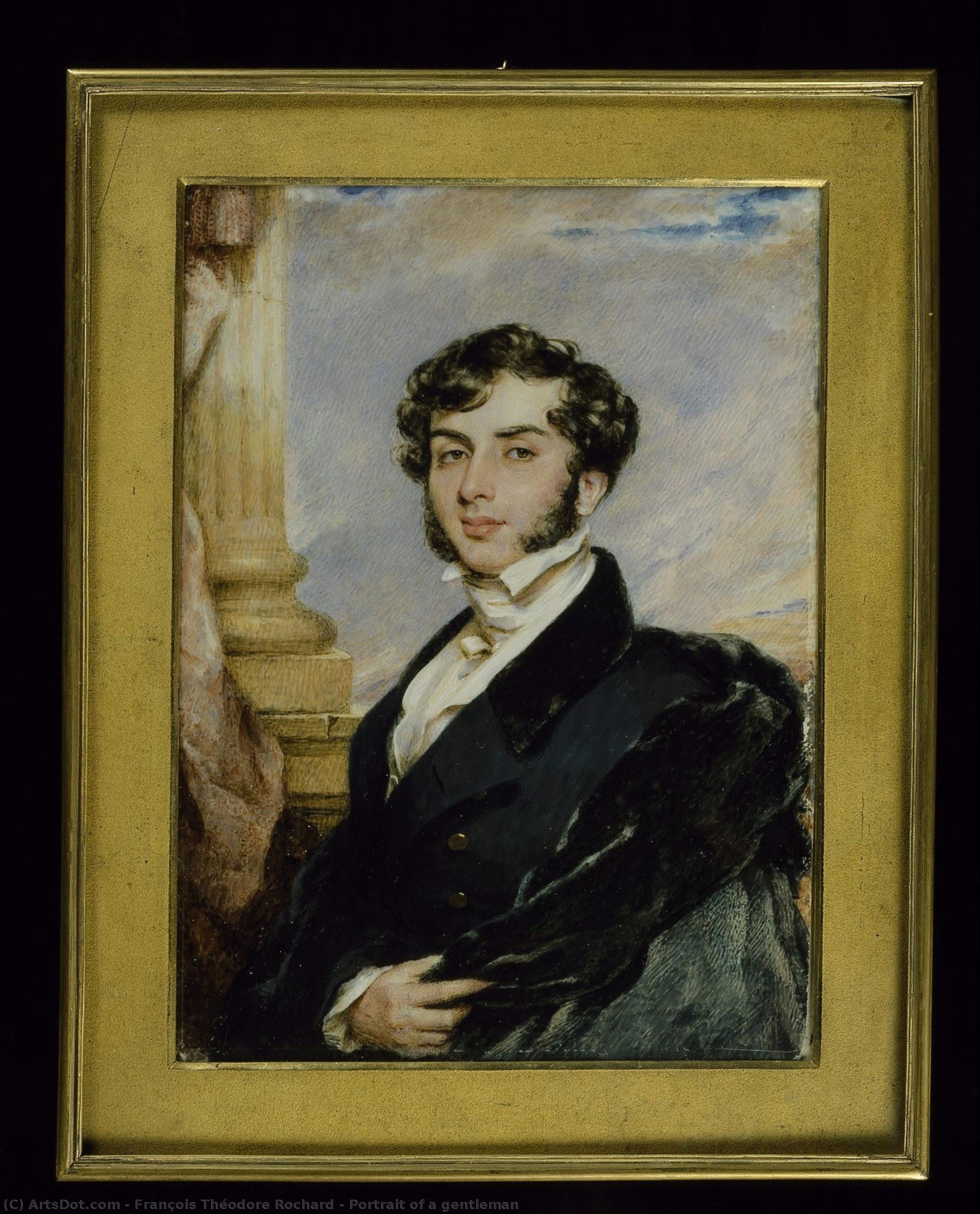
Portrait of a gentleman
 13.0 x 18.0 cm
 Palazzo Madama
 Read More
Purchase a high-resolution, enhanced digital image, far superior to the online preview.
Each file is meticulously prepared by our in-house specialists using advanced tools and expert manual retouching. We ensure every image has exceptional clarity, precise color accuracy, and fine detail.
The final file is delivered via email within 72 hours, optimized for immediate use in professional, editorial, and print environments. This is the same quality trusted by top-tier design studios, publishers, and galleries.
Digital Image
Download a high-resolution file for personal display, printing, and creative projects. ( Buy Print Buy Hand Made Painting)
Included in Every Digital Image Order
Expert Digital Delivery, Guaranteed
When you choose ArtsDot.com, you're not just getting an image - you're receiving a professionally enhanced digital artwork, crafted with precision and backed by a satisfaction guarantee. Here's everything that comes with your order, automatically:

Fast Email Delivery
Your high-resolution digital image file will be emailed to you within 72 hours of ordering - ready for immediate use.

AI-Enhanced Digital File
Your artwork is professionally optimized using advanced AI tools and manual editing, ensuring maximum detail, clarity, and color accuracy.

Free Lifetime Re-Delivery
Accidentally deleted or lost your file? No worries - we'll resend it to you anytime, free of charge.

No Import Fees - Ever
Enjoy your artwork instantly with zero customs, duties, or delivery fees - digital downloads are always tax-free.

Color Accuracy Guarantee
We ensure your digital image reflects the original colors as closely as possible using professional tools and color management.

60-Day Satisfaction Guarantee
If you're not satisfied with your digital image, we'll revise it or refund 100% within 60 days - no questions asked.

100% Money-Back Guarantee
Not satisfied? Get a full refund within 60 days of receiving your digital file - no questions asked.

Bulk Order Discounts
Buy 3 images, save 10% - Buy 5, save 15% - Buy 10+, save 20%. Great for creative projects, galleries, and agencies.
Related Artworks








Artist Biography
Eugène Delacroix: A Revolutionary Soul of French Romanticism
Eugène Delacroix, born Ferdinand Victor Eugène Delacroix on April 26, 1798, in Charenton-Saint-Maurice near Paris, was more than just a painter; he was the embodiment of the Romantic spirit unleashed upon France. His life, marked by both privilege and profound personal tragedy, fueled an artistic vision that irrevocably altered the course of French painting. From his early childhood surrounded by artistic lineage to his iconic depictions of historical events and dramatic narratives, Delacroix’s journey is a testament to the power of passion, observation, and a relentless pursuit of individual expression. His legacy continues to resonate today, influencing generations of artists with his bold use of color, dynamic compositions, and deeply emotional subject matter.A Childhood Shaped by Art and Loss
Delacroix's early years were characterized by a comfortable yet somewhat melancholic existence. Born into a family steeped in artistic tradition – his father, Charles Delacroix, was a prominent government official and ambassador, and his great-uncle, Henri-François Riesener, was a renowned painter – he received an education that valued both classical studies and the arts. However, tragedy struck early when his mother, Victoire Delacroix, died when he was only six years old. This loss profoundly impacted the young Eugène, leaving him feeling adrift amidst the grandeur of his family’s past. Despite this personal hardship, he found solace in his artistic pursuits, eventually entering the studio of Pierre-Narcisse Guérin at the Lycée Impérial in Paris. It was here that he began to develop his skills and absorb the teachings of a respected academic painter, though it was through the influence of the revolutionary artist Théodore Géricault that Delacroix truly found his artistic voice. Géricault’s daring subject matter and expressive style ignited within him a desire to break free from the constraints of traditional academic painting.The Rise of a Romantic Icon
Delacroix's breakthrough came with his debut at the Salon of 1822, where he presented *Dante and Virgil in Hell*. The painting immediately captivated critics and audiences alike, establishing him as a rising star within the Parisian art world. His subsequent works—*The Massacre at Chios* (1830), depicting the brutal realities of the Greek War of Independence, and *Death of Sardanapalus* (1827)—further cemented his reputation for dramatic intensity and innovative technique. *Death of Sardanapalus*, in particular, caused a sensation, lauded by literary figures like Victor Hugo and Alexandre Dumas but also met with considerable controversy due to its shocking imagery and unconventional composition. Delacroix’s bold use of color—a vibrant palette inspired by the works of Rubens and the Venetian Renaissance—created a sense of movement and emotional depth that was revolutionary for its time. His willingness to depict raw emotion, historical events, and contemporary struggles set him apart from the prevailing Neoclassical style, which favored idealized forms and restrained narratives.Travels and Inspiration: Morocco and Beyond
Seeking inspiration beyond the confines of Paris, Delacroix embarked on a transformative journey to North Africa in 1832-1833. His travels through Morocco exposed him to a world of vibrant colors, exotic cultures, and dramatic landscapes—experiences that profoundly influenced his artistic vision. The intense heat, dazzling light, and captivating scenes he witnessed ignited a renewed passion for color and movement within him. This experience is vividly reflected in *Liberty Leading the People* (1830), arguably his most famous work. Painted in response to the July Revolution of 1830, the painting captures the fervor and chaos of the uprising with remarkable dynamism and emotional intensity. The use of a pyramidal composition, bold color contrasts, and dynamic figures creates a powerful sense of immediacy and heroism.Legacy and Influence
Eugène Delacroix died on August 13, 1863, in Paris, leaving behind a legacy that continues to inspire artists today. His influence can be seen in the works of Impressionist painters such as Monet, Renoir, and Pissarro, who adopted his use of color and emphasis on capturing fleeting moments of light and atmosphere. Delacroix’s willingness to challenge artistic conventions and explore profound emotional themes paved the way for future generations of artists to express themselves with greater freedom and authenticity. His paintings remain powerful testaments to the enduring power of Romanticism—a movement that celebrated passion, imagination, and the beauty of the natural world. The Musée du Louvre houses a significant collection of his works, offering visitors a glimpse into the life and art of this revolutionary figure in French painting.
françois théodore rochard
1798 - 1857 , France
Quick Facts
- Artistic Movement Or Style: Romanticism
- Artists Or Movements Influenced By This Artist: ['Impressionists']
- Artists Who Influenced This Artist:
- Rubens
- Tintoretto
- Date Of Birth: April 26, 1798
- Date Of Death: August 13, 1863
- Full Name: Eugène Delacroix
- Nationality: French
- Notable Artworks:
- Liberty Leading the People
- Death of Sardanapalus
- Place Of Birth: Charenton-Saint-Maurice, France

