

 Preview
 Send
Send Share
Share
 Details

 Download
 Similars
 X-Ray
X-Ray Diaporama
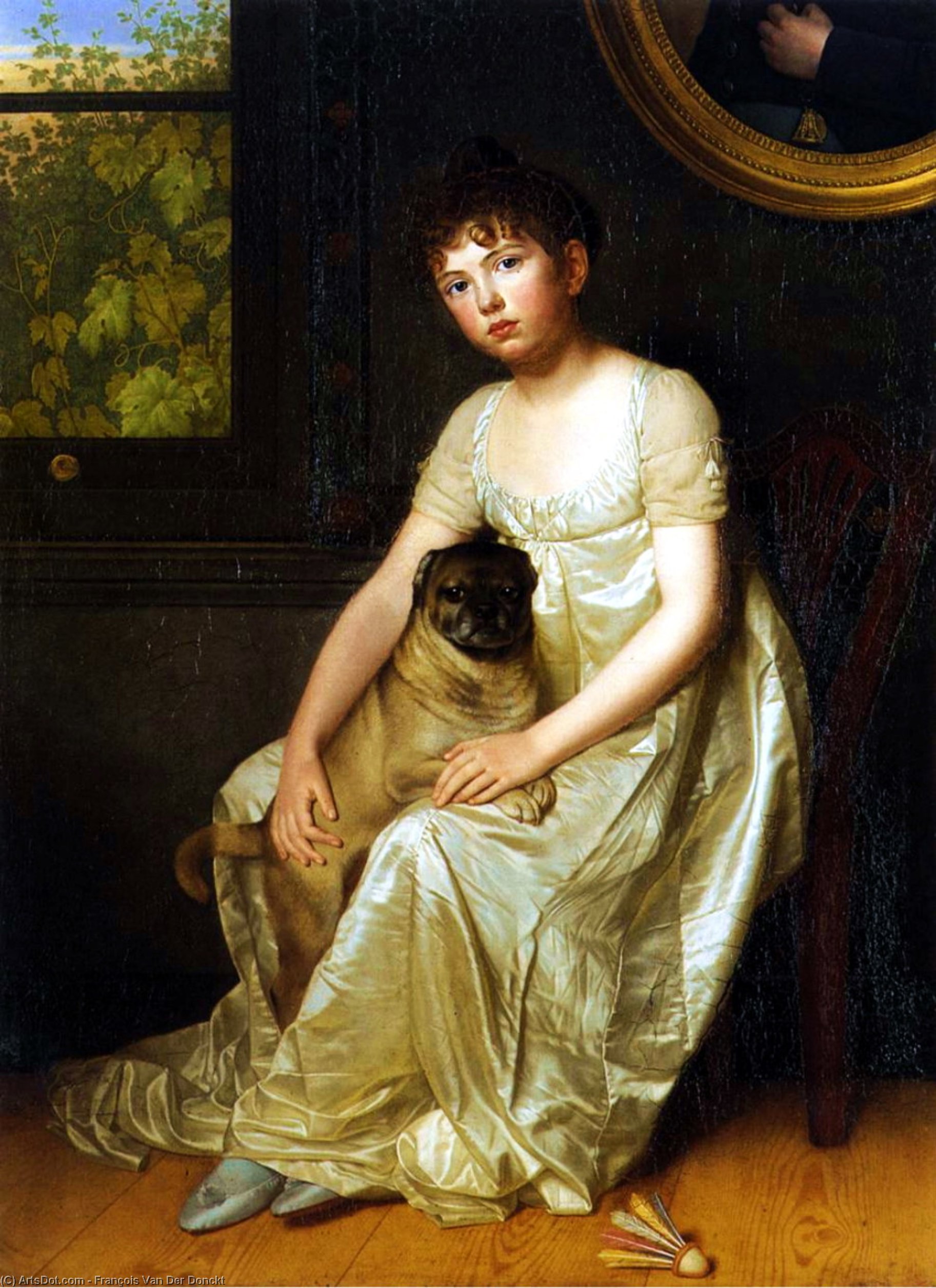
Portrait of Sylvie de la Rue
 Oil
Oil- WallArt
- Neoclassicism
 1810
1810- 19th Century
 120.0 x 89.0 cm
 Groeninge Museum
 Read More
Purchase a high-resolution, enhanced digital image, far superior to the online preview.
Each file is meticulously prepared by our in-house specialists using advanced tools and expert manual retouching. We ensure every image has exceptional clarity, precise color accuracy, and fine detail.
The final file is delivered via email within 72 hours, optimized for immediate use in professional, editorial, and print environments. This is the same quality trusted by top-tier design studios, publishers, and galleries.
Digital Image
Download a high-resolution file for personal display, printing, and creative projects. ( Buy Print Buy Hand Made Painting)
Included in Every Digital Image Order
Expert Digital Delivery, Guaranteed
When you choose ArtsDot.com, you're not just getting an image - you're receiving a professionally enhanced digital artwork, crafted with precision and backed by a satisfaction guarantee. Here's everything that comes with your order, automatically:

Fast Email Delivery
Your high-resolution digital image file will be emailed to you within 72 hours of ordering - ready for immediate use.

AI-Enhanced Digital File
Your artwork is professionally optimized using advanced AI tools and manual editing, ensuring maximum detail, clarity, and color accuracy.

Free Lifetime Re-Delivery
Accidentally deleted or lost your file? No worries - we'll resend it to you anytime, free of charge.

No Import Fees - Ever
Enjoy your artwork instantly with zero customs, duties, or delivery fees - digital downloads are always tax-free.

Color Accuracy Guarantee
We ensure your digital image reflects the original colors as closely as possible using professional tools and color management.

60-Day Satisfaction Guarantee
If you're not satisfied with your digital image, we'll revise it or refund 100% within 60 days - no questions asked.

100% Money-Back Guarantee
Not satisfied? Get a full refund within 60 days of receiving your digital file - no questions asked.

Bulk Order Discounts
Buy 3 images, save 10% - Buy 5, save 15% - Buy 10+, save 20%. Great for creative projects, galleries, and agencies.
An Intimate Encounter with Elegance
In the quiet, contemplative depths of François van der Donckt’s 1810 masterpiece, Portrait of Sylvie de la Rue, we are invited into a private moment that transcends the boundaries of time. The painting presents a scene of profound stillness, where the subject sits with a pensive grace, her presence anchored by the loyal companion resting in her lap. This is not merely a formal sitting; it is an evocative study of companionship and interiority. As the viewer’s eye wanders through the composition, they encounter a world layered with life—the subtle presence of figures in the periphery and the domestic richness of a room furnished with fine chairs and couches. The inclusion of a solitary wine glass on a nearby surface adds a touch of lived-in reality, suggesting a pause in a much larger, more complex narrative of aristocratic daily life.
The artistry of Van der Donckt shines through his masterful command of the Neoclassical tradition, blended seamlessly with the meticulous observational skills inherited from the Flemish masters. Every brushstroke serves to heighten the tactile reality of the scene, from the soft texture of the dog’s fur to the delicate folds of Sylvie’s gown. The artist utilizes a sophisticated palette that emphasizes light and shadow, creating a sense of three-dimensional volume that breathes life into the canvas. This technique does more than just replicate reality; it imbues the subject with a psychological depth, capturing a fleeting expression of thought that feels both intimate and eternal.
A Legacy of Flemish Refinement
To understand the emotional resonance of this portrait, one must look to the historical landscape from which it emerged. Created at the dawn of the 19th century, the work sits at a fascinating crossroads between the structured ideals of the Enlightenment and the burgeoning romanticism of the era. François van der Donckt, a pivotal figure in Belgian art, brought a unique synthesis of styles to his subjects. His training under masters like Jacob De Rijcke instilled in him a reverence for detail, while his connection to the broader European Neoclassical movement allowed him to imbue his portraits with a sense of monumental dignity.
For the discerning collector or interior designer, this painting offers much more than mere decoration; it provides a focal point of historical gravity and aesthetic sophistication. The composition’s balance of light and shadow makes it an ideal centerpiece for a room designed to inspire reflection and conversation. Whether placed in a grand library or a contemporary living space, the Portrait of Sylvie de la Rue acts as a window into a bygone era of refinement. It is a piece that commands attention through its quiet strength, offering a timeless elegance that complements both classical and modern decor with effortless grace.
Related Artworks
Artist Biography
François van der Donckt (1757 – 1813): Bridging Neoclassicism and Flemish Tradition
François Joseph Octave van der Donckt, born in Aalst, Belgium, in 1757, stands as a pivotal figure within the burgeoning landscape of Belgian neoclassicism. His artistic journey unfolded against the backdrop of Enlightenment ideals, yet remained firmly rooted in the rich traditions of Flemish painting—a synthesis that cemented his reputation as one of the era’s most accomplished portraitists and pastel artists. Little is known about his early life beyond familial connections; however, his formative years at Bruges instilled within him a profound appreciation for artistic craftsmanship and observation.- Early Training & Influences: Van der Donckt's initial artistic education commenced under the tutelage of Jacob De Rijcke and Antoon Suweyns, masters who championed realism and meticulous detail—influences that would permeate his subsequent oeuvre. Notably, he studied alongside Joseph-Benoît Suvée, whose dynamic compositions and expressive brushwork further broadened his stylistic horizons.
- Academic Pursuits & Parisian Engagement: Recognizing the importance of intellectual grounding, Van der Donckt pursued studies at the Jesuit College, cultivating a humanist sensibility that complemented his artistic endeavors. Subsequently, he migrated to Paris in 1782, immersing himself in the vibrant artistic milieu of the capital and forging connections with luminaries like Louis Philippe I, Duke of Orléans. This Parisian residency afforded him invaluable access to royal collections and fostered collaborations that honed his skills and expanded his artistic vision.
- Italian Travels & Artistic Transformation: Driven by an unwavering passion for art and scholarship, Van der Donckt embarked on a transformative voyage to Italy between 1789 and 1791. Exposure to the grandeur of Roman sculpture and painting ignited within him a renewed appreciation for classical ideals—a shift that manifested in his stylistic evolution and deepened his understanding of artistic history.
- Return to Bruges & Artistic Legacy: Upon returning to Bruges in 1796, Van der Donckt assumed the role of Director of the Stedelijke Academie voor Schone Kunsten, shaping the artistic education of a generation of Flemish artists. His unwavering dedication to craft and his commitment to portraying human emotion solidified his legacy as a champion of psychological realism—a hallmark that distinguishes his portraits from many of his contemporaries.
Notable Works & Artistic Style
Van der Donckt’s artistic style is characterized by its meticulous attention to detail, masterful use of pastel medium, and profound sensitivity to human expression. He excelled in capturing the nuances of facial features and body posture—techniques honed through rigorous observation and informed by anatomical studies. His portraits are imbued with a palpable sense of presence, conveying not merely likeness but also psychological depth and emotional resonance.- Portrait of Sylvie de la Rue: Perhaps his most celebrated work is the pastel portrait of Sylvie de la Rue, daughter of Eugène de Montigny—a masterpiece that exemplifies Van der Donckt’s ability to convey inner emotion through subtle tonal variations and expressive brushstrokes.
- Self-Portrait: A self-portrait executed in 1798 reveals Van der Donckt's unwavering commitment to artistic introspection—a testament to his belief that the artist must strive for both technical proficiency and psychological understanding.
Influence & Historical Significance
François van der Donckt’s contribution to Belgian art history extends beyond his individual achievements; he served as a mentor to younger artists, fostering a tradition of realism and psychological exploration that endured throughout the nineteenth century. His work aligns with the broader currents of neoclassicism—a movement that sought to revive classical ideals of beauty and harmony—yet simultaneously embraced Flemish artistic heritage—resulting in a distinctive stylistic blend that continues to captivate audiences today. He remains an exemplar of artistic integrity and a symbol of Bruges’s enduring commitment to artistic excellence.Further Exploration
For more detailed information on François van der Donckt's life and work, consult the following resources:- RKD: Biography
- Brief Biography: Pastellists.com
- Biographie Nationale, vol.26 (1938): Académie Royale Belgique
References
* Biographical notes @ RKD. * Brief biography in Pastellists.com. * Biographie Nationale, vol.26 (1938).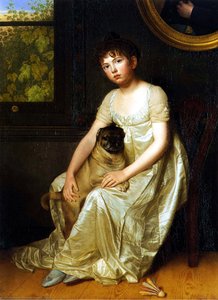
françois van der donckt
1757 - 1813 , Belgium
Quick Facts
- Artistic Movement Or Style: Neoclassical
- Artists Or Movements Influenced By This Artist: ['Louis Philippe I']
- Artists Who Influenced This Artist:
- Hugo van der Goes
- Rogier van der Weyden
- Date Of Birth: 1757
- Full Name: François Joseph Octave van der Donckt
- Nationality: Flemish
- Notable Artworks: ['Portrait of Sylvie de la Rue']
- Place Of Birth: Bruges, Belgium

