 Preview
 Send
Send Share
Share
 Details

 Download
 Similars
 X-Ray
X-Ray Diaporama
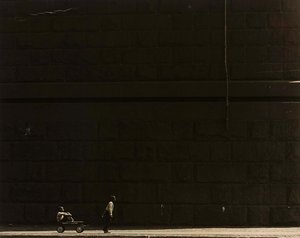
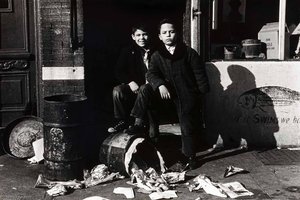
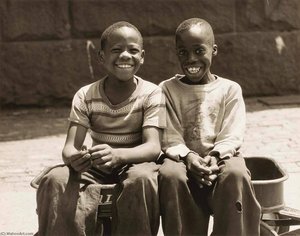
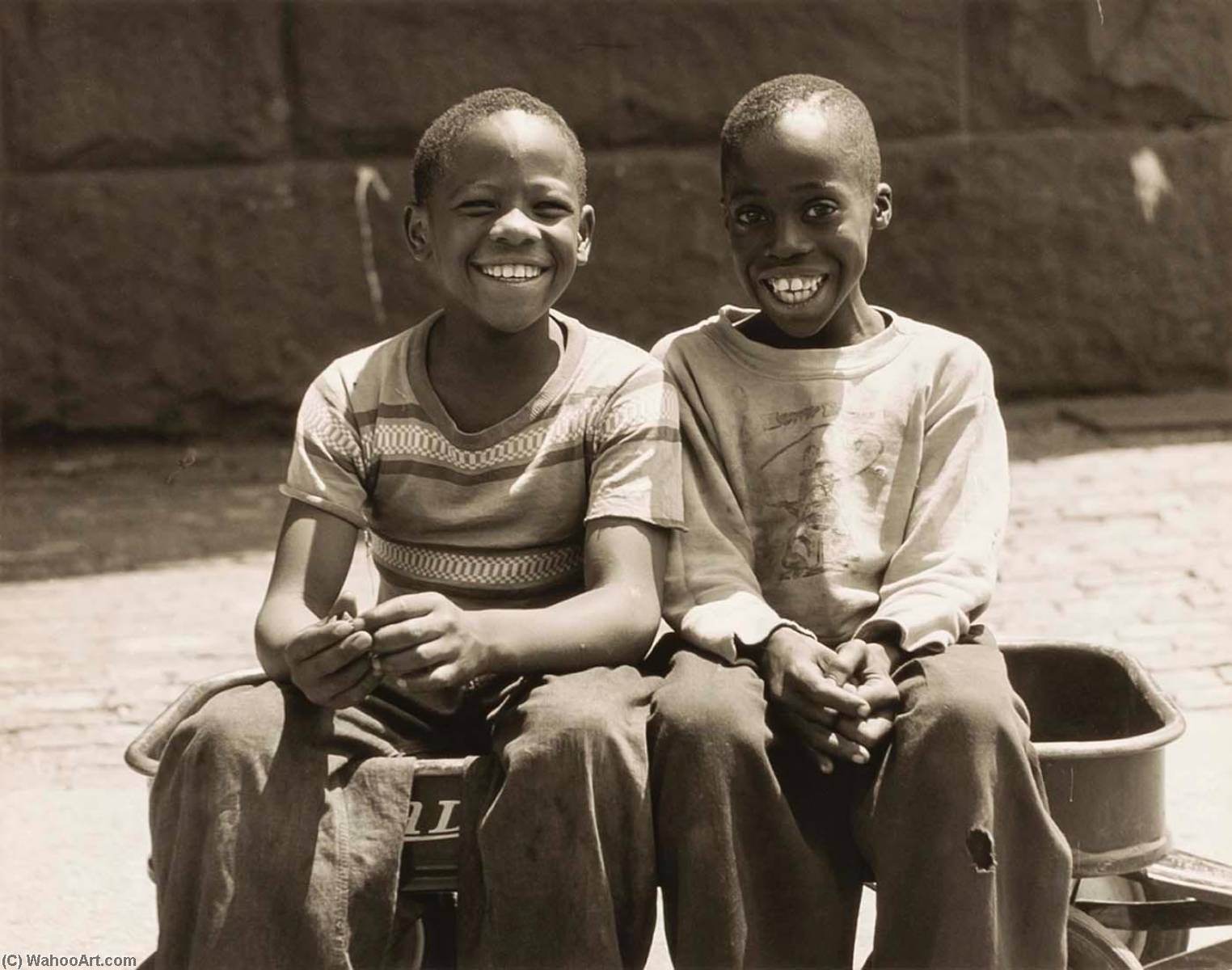
Untitled (Two boys in a wagon, Long Island City)
 1956
1956 28.0 x 36.0 cm
 Read More
Giclée / Art Print
Museum-quality giclée or canvas print with fast production and flexible finish options. ( Buy Hand Made Painting Buy Image)




































Pick from our preset sizes that match the artwork's original proportions.

You may enter your own dimensions to fit a specific frame or space. If your selected size does not match the original image's proportions, we will either crop the artwork or extend the image with a mirrored or solid-fill edge. A digital mockup will be sent for your approval before production begins.
Please note that the on-screen preview does not reflect the actual cropping or extension. Only the mockup will accurately show the final composition.
While custom sizes are available, we recommend selecting a dimension from the predefined list to preserve the original proportions.
Worldwide Delivery () in 2 weeks instead of standard 4/5 weeks. (25 August)

Free Worldwide Express Shipping

High-Quality Linen Canvas

Full Shipping Insurance

Customs Tax Refund Guarantee

True Color Matching Guarantee

60-Day Return Policy (Defects Only)

100% Money-Back Guarantee

Bulk Discount Offer
 Glass option is only available in size under 110 CM

Untitled (Two boys in a wagon, Long Island City)
Giclée / Art Print
Reproduction Size
-


Total Price
$ 63
Related Artworks






Artist Biography
The Lens of Resilience: The Life and Legacy of Frank Espada
In the bustling, often overlooked corners of New York City’s history, few figures captured the pulse of urban struggle and triumph as intimately as Francisco Luis Espada Roig. Known to the world as Frank Espada, this Puerto Rican-born photojournalist did not merely observe the streets; he lived them, documenting the profound textures of the human experience through a lens shaped by activism and empathy. Born in 1930 in Utuado, Puerto Rico, Espada’s early years were steeped in a deep connection to his heritage—a foundation that would later allow him to navigate the complex social landscapes of the Bronx, Harlem, and beyond with unparalleled sensitivity. His journey from the lush landscapes of Puerto Rico to the concrete canyons of New York City was more than a migration; it was the beginning of a lifelong mission to give a visual voice to the marginalized.
Espada’s artistic development was inextricably linked to his personal evolution as a citizen and an advocate. After serving in the United States Air Force during the Korean War, he pursued formal training at the New York Institute of Photography, honing a technical precision that would serve his documentary goals. However, it was his legal background—having earned a Juris Doctorate from Northeastern University—that provided him with a unique vantage point. As a specialist in tenant law, Espada witnessed the systemic inequities and the fight for housing justice firsthand. This dual identity as both a legal defender of the vulnerable and a visual chronicler allowed him to approach his subjects not as mere specimens of poverty or decay, but as protagonists in an ongoing struggle for dignity and civil rights.
A Visual Chronicle of the Diaspora
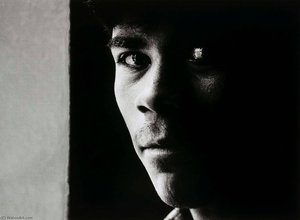
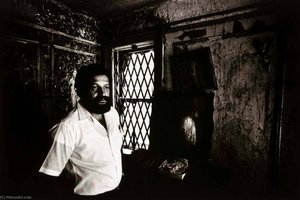
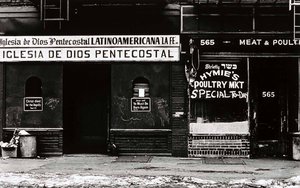
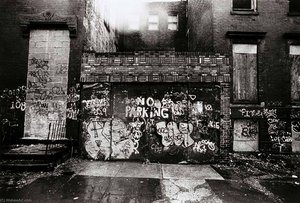
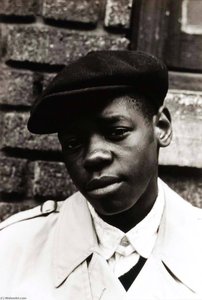
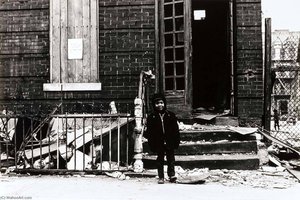
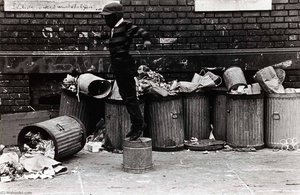
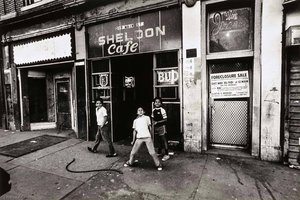
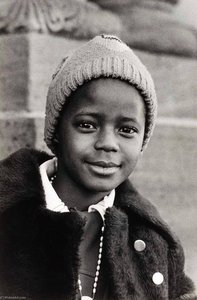
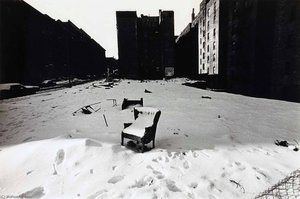
The work of Frank Espada is characterized by a profound sense of social realism. He did not seek out the spectacular or the staged; instead, he found greatness in the mundane and the monumental in the everyday. His photography often focused on the Puerto Rican diaspora, capturing the nuances of community life amidst the backdrop of urban change. Through his lens, we see the quiet strength of mothers, the unbrid/unbridled joy of children playing in Long Island City, and the gritty reality of graffiti-laden streets in Williamsburg. His ability to find beauty within decay—what many scholars call urban resilience—is perhaps his greatest technical and emotional achievement.
His photographic oeuvre is marked by several defining characteristics:
- The Power of Black and White: By utilizing monochrome tones, Espada stripped away the distractions of color to focus on contrast, texture, and the raw emotion of his subjects.
- Documentary Authenticity: His work avoids the voyeuristic; instead, it feels like an invitation into a community, often captured through his involvement with grassroots organizations like East New York Action.
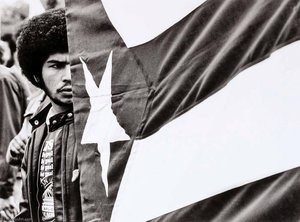
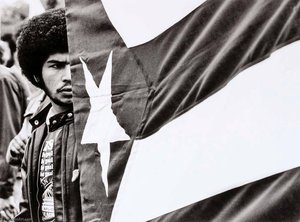
- Narrative Depth: Each image, such as his poignant Man with Flag or his studies of youth in Hartford, tells a larger story of patriotism, struggle, and the search for identity within the American landscape.
Historical Significance and Lasting Impact
Frank Espada’s contribution to the history of American photojournalism lies in his ability to bridge the gap between art and activism. He was not a detached observer but an active participant in the movements he documented. His photographs serve as vital historical archives, preserving the faces and places of a New York City that has been irrevocably transformed by time. The presence of his work in prestigious institutions like the Smithsonian American Art Museum and the National Gallery of Art underscores his importance not just as a local chronicler, but as a significant figure in the broader canon of American documentary art.
Ultimately, the legacy of Frank Espada is one of visibility. He used the camera to ensure that the struggles of the underserved were seen, heard, and remembered. His life, spanning from the mountains of Puerto Rico to the heart of the Civil Rights Movement in America, remains a testament to the power of the visual narrative to foster empathy and inspire social change. Through his work, the ephemeral moments of urban life are granted a permanent, dignified existence, reminding us that even in the midst of hardship, there is an enduring spirit of resilience.
frank espada
1930 - 2014
Quick Facts
- Artistic Movement Or Style: Street Portrait Artist
- Artists Or Movements Influenced By This Artist: ['Social Realism']
- Artists Who Influenced This Artist: ['Edward Hopper']
- Date Of Birth: December 21, 1930
- Date Of Death: February 16, 2014
- Full Name: Francisco Luis Espada Roig
- Nationality: Puerto Rican
- Notable Artworks: ['Untitled Street Portrait']
- Place Of Birth: Utuado, Puerto Rico