 Preview
 Send
Send Share
Share
 Details

 Download
 Similars
 X-Ray
X-Ray Diaporama
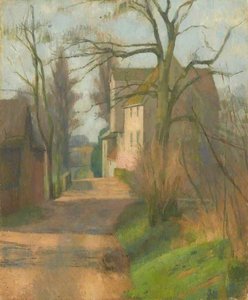
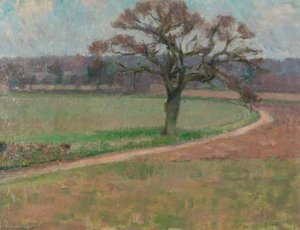
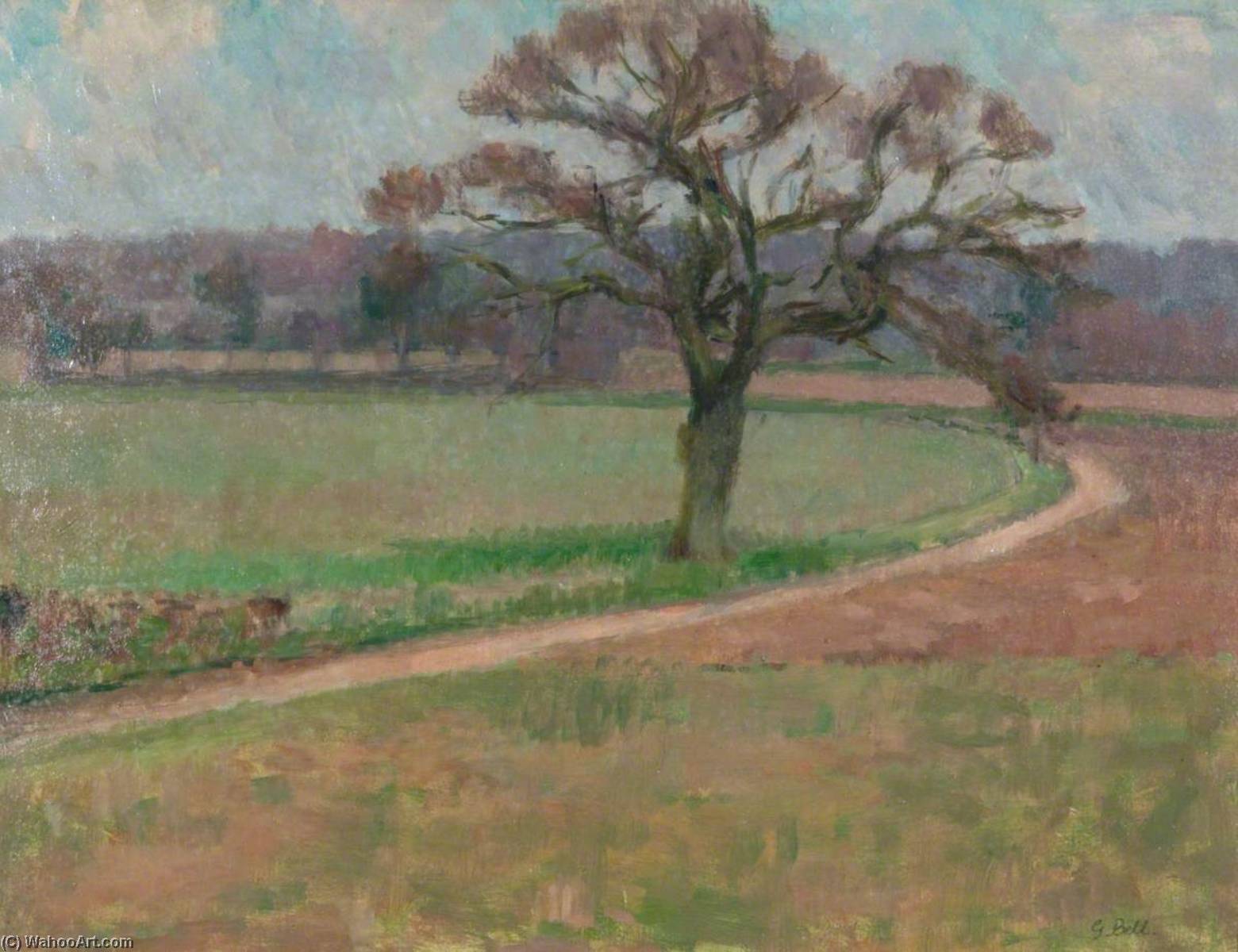
The Oak Tree
 48.0 x 58.0 cm
 Read More
Hand Made Oil Reproduction
Hand-painted oil on canvas in your size and frame, made to order by our artists. ( Buy Print Buy Image)




































Pick from our preset sizes that match the artwork's original proportions.

You may enter your own dimensions to fit a specific frame or space. If your selected size does not match the original image's proportions, we will either crop the artwork or extend the painting with additional hand-painted elements. A digital mockup will be sent for your approval before production begins.
Please note that the on-screen preview does not reflect the actual cropping or extension. Only the mockup will accurately show the final composition.
While custom sizes are available, we recommend selecting a dimension from the predefined list to preserve the original proportions.
After order, ArtsDot.com team will email client for instructions and provide a mockup preview
Worldwide Delivery () in 3/4 weeks instead of standard 5 weeks. (21 August). No compromise on quality.

Free Worldwide Express Shipping

High-Quality Linen Canvas

Full Shipping Insurance

Customs Tax Refund Guarantee

True Color Matching Guarantee

60-Day Return Policy (Defects Only)

100% Money-Back Guarantee

Bulk Discount Offer
 Glass option is only available in size under 110 CM

The Oak Tree
Reproduction Medium
Reproduction Size
-


Total Price
$ 263
Related Artworks








Artist Biography
Frank Graham Bell: A Pioneer of Realist Landscape Painting
Graham Bell (1910 – 1943) stands as a significant figure in British realist painting, particularly within the Euston Road School movement—a collective dedicated to capturing the essence of rural England with meticulous detail and imbued with social consciousness. Born in Durban, South Africa, Bell’s artistic journey unfolded against the backdrop of a burgeoning modernist landscape tradition, reacting decisively against the stylistic excesses of avant-garde movements while honoring the legacy of Cézanne. His untimely death during World War II cemented his place as an artist deeply engaged with both art and political ideals.Early Life & Artistic Beginnings
Bell’s formative years were marked by a dual upbringing—a comfortable banking family alongside a brother pursuing artistic endeavors. This familial influence fostered an appreciation for creative pursuits, propelling him toward formal studies at Durban Art School where he honed his observational skills and established a foundational understanding of painting techniques. His initial exhibitions showcased a burgeoning talent, notably his debut solo show at the City Hall in Durban in 1931, demonstrating an early inclination towards portraying familiar subjects with unwavering accuracy.Moving to Britain & Influences
Seeking inspiration beyond South Africa’s borders, Bell relocated to London in 1931 alongside Anne Bilbrough, whom he would later marry and become the mother of their daughter Harriet. Immediately captivated by Duncan Grant's expressive landscapes—a cornerstone of British Impressionism—Bell subsequently encountered William Coldstream, whose meticulous realism profoundly impacted his artistic vision. The influence of Geoffrey Tibble’s advocacy for objective abstraction further broadened Bell’s intellectual horizons, shaping his approach to capturing visual experience.The Euston Road School & Artistic Collaboration
A pivotal moment in Bell's career arrived in 1934 when he joined forces with Coldstream, Gowling, Moynihan, Pasmore and Rogers to establish the Euston Road School—a collective dedicated to upholding a tradition rooted in Cézanne’s compositional principles. Rejecting stylistic trends prevalent at the time, these artists prioritized portraying rural England with unflinching realism, driven by a conviction that art should serve as a conduit for social commentary. Their membership included socialists and communists, reflecting a broader commitment to artistic engagement with political concerns.Journalism & Artistic Expression
Between 1934 and 1937 Bell transitioned from painting to journalism, contributing to publications like *The New Statesman* and assuming the role of Arts Editor—a position that allowed him to disseminate his artistic ideas and champion realist aesthetics within the literary landscape. This period solidified Bell’s understanding of how visual art could communicate complex narratives and provoke thoughtful reflection.Legacy & Artistic Achievements
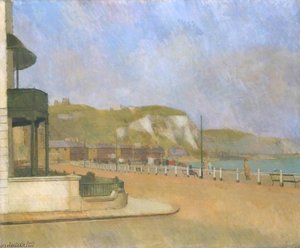
Bell's artistic output comprises a collection of evocative landscapes, primarily depicting scenes from rural England—particularly the Dover Front and Old Barn. His paintings exemplify the Euston Road School’s commitment to capturing atmospheric conditions and subtle nuances of light with remarkable precision. Furthermore, Bell’s dedication to fostering artistic dialogue and promoting social responsibility ensured his enduring contribution to British art history. He died tragically in 1943 during a flying accident—a poignant reminder of the artist's unwavering spirit amidst the turbulent realities of wartime Britain.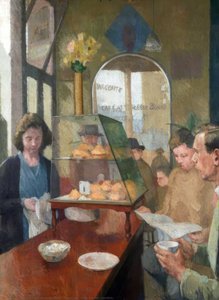
frank graham bell
1910 - 1943
Quick Facts
- Artistic Movement Or Style: Realist
- Artists Or Movements Influenced By This Artist: ['Euston Road School']
- Artists Who Influenced This Artist: ['Duncan Grant']
- Date Of Birth: 1910
- Date Of Death: 1943
- Full Name: Frank Graham Bell
- Nationality: British
- Notable Artworks:
- Baylham Mill
- Dover Front
- Place Of Birth: South Africa