 Preview
 Send
Send Share
Share
 Details

 Download
 Similars
 X-Ray
X-Ray Diaporama
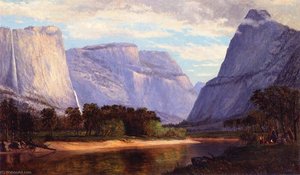
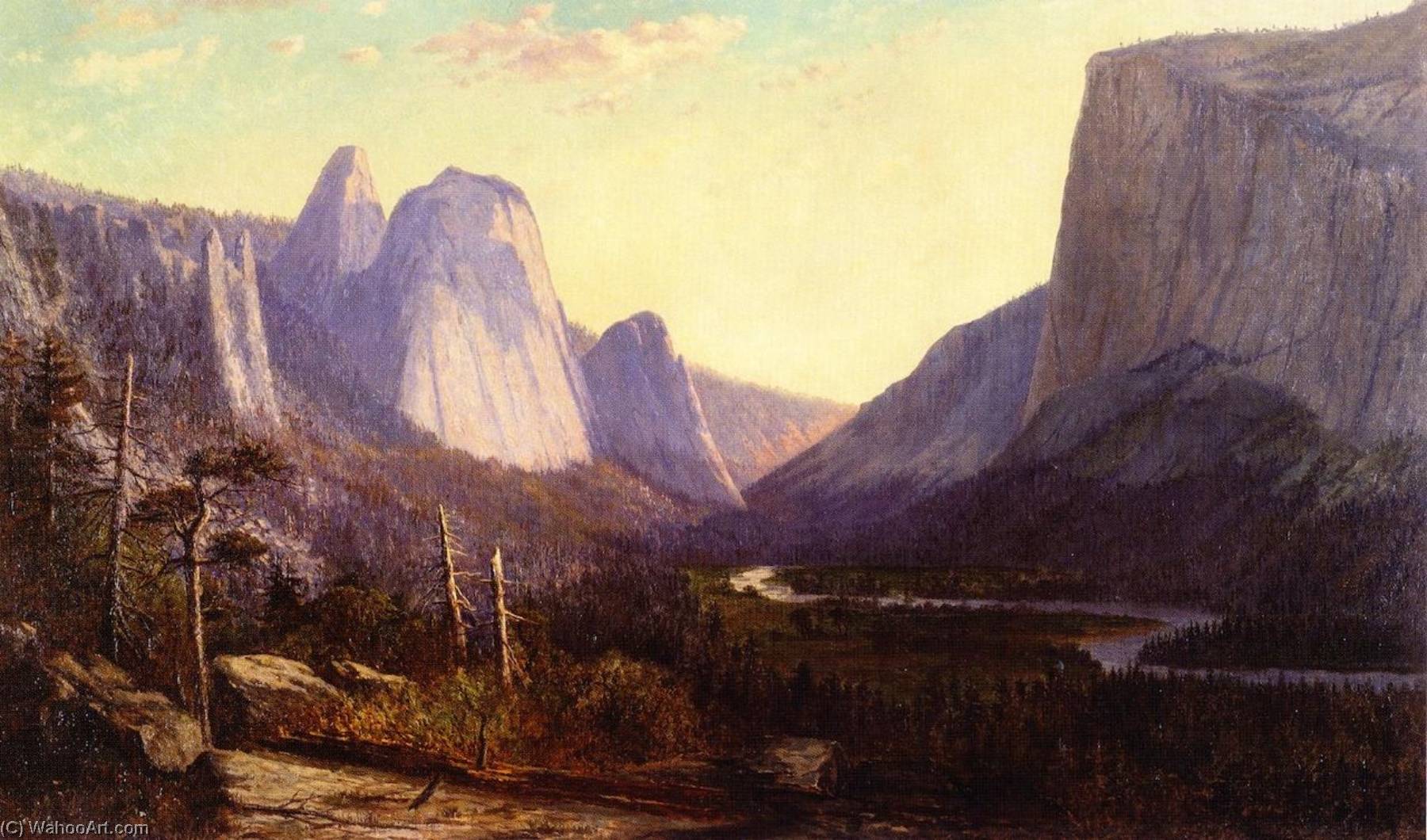
El Capitan and Cathedral Rocks

 Read More
Hand Made Oil Reproduction
Hand-painted oil on canvas in your size and frame, made to order by our artists. ( Buy Print Buy Image)




































Pick from our preset sizes that match the artwork's original proportions.

You may enter your own dimensions to fit a specific frame or space. If your selected size does not match the original image's proportions, we will either crop the artwork or extend the painting with additional hand-painted elements. A digital mockup will be sent for your approval before production begins.
Please note that the on-screen preview does not reflect the actual cropping or extension. Only the mockup will accurately show the final composition.
While custom sizes are available, we recommend selecting a dimension from the predefined list to preserve the original proportions.
After order, ArtsDot.com team will email client for instructions and provide a mockup preview
Worldwide Delivery () in 3/4 weeks instead of standard 5 weeks. (23 August). No compromise on quality.

Free Worldwide Express Shipping

High-Quality Linen Canvas

Full Shipping Insurance

Customs Tax Refund Guarantee

True Color Matching Guarantee

60-Day Return Policy (Defects Only)

100% Money-Back Guarantee

Bulk Discount Offer
 Glass option is only available in size under 110 CM

El Capitan and Cathedral Rocks
Reproduction Medium
Reproduction Size
-


Total Price
$ 263
Related Artworks









Artist Biography
The Soul of the American Landscape: The Life and Art of Frank Henry Shapleigh
Frank Henry Shapleigh was a painter who possessed the rare ability to translate the silent majesty of the natural world onto canvas, capturing not just scenery, but the very atmosphere of the American wilderness. Born in Boston in 1842, his early life was marked by a profound connection to the rugged beauty of the New England landscape. This deep-seated reverence for nature would later become the cornerstone of his artistic identity. Before he became a master of light and shadow, Shapleigh experienced the harrowing realities of the American Civil War, serving with the 45th Massachusetts Infantry Regiment. The grit and resilience required by military service in North Carolina likely informed the strength and structural integrity found in his later landscapes, where even the most delicate mist seems to possess a tangible, enduring presence. Following the tumult of war, Shapleigh sought to refine his vision through formal study, attending Boston's Lowell Institute before embarking on a transformative journey to Europe between 1866 and 1868. In the vibrant ateliers of Paris, he studied under the guidance of Émile Lambinet, an experience that would forever alter his brushwork. Immersed in the burgeoning Barbizon School movement, Shapleigh absorbed the principles of plein air painting and a commitment to capturing the emotional essence of rural landscapes. This European influence introduced a sophisticated sense of tonal harmony and atmospheric perspective into his work, allowing him to move beyond mere topographical accuracy toward a more poetic, evocative realism.A Legacy of Light and Granite
Shapleigh’s artistic reputation is most deeply intertwined with the White Mountains of New Hampshire. Establishing himself within the artist communities of Crawford Notch and Jackson, he became a definitive voice in White Mountain art. His technique allowed him to navigate the complex interplay of light filtering through dense foliage and the formidable, granite textures of the peaks. Whether depicting the serene waters of Lake Waban or the dramatic vistas of the Hetch Hedy Valley in California, his work maintains a consistent thread of tranquility and meticulous observation. He had a remarkable gift for rendering the subtle shifts in weather—the way a sudden fog might soften a mountain ridge or how the golden hour illuminates a valley floor. Beyond the northern forests, Shapleigh’s travels expanded his repertoire to include the sun-drenched landscapes of the American South and West. His depictions of St. Augustine, Florida, such as his evocative Dr. Peck's Palm Trees, showcase a different facet of his mastery, trading New England's cool tones for the vibrant, humid atmosphere of the subtropics. This versatility demonstrates an artist who was not merely a regional painter, but a true chronicler of the American continent’s diverse ecological character.Historical Significance and Enduring Presence
Though he may have remained largely unrecognized by the broader public during his lifetime, the historical significance of Frank Henry Shapleigh has undergone a profound resurgence. Today, his works are celebrated for their role in the tradition of the Hudson River School and their subtle dialogue with Barbizon sensibilities. His ability to bridge the gap between meticulous detail and atmospheric emotion ensures that his paintings remain timeless. The enduring legacy of his talent is preserved within some of the most prestigious institutions in the United States, including:- The Hood Museum of Art at Dartmouth College
- The Museum of the White Mountains in North Conway, New Hampshire
- The Harn Museum of Art at the University of Florida
- The Lowe Art Museum at the University of Miami
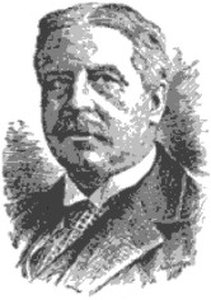
frank henry shapleigh
1842 - 1906
Quick Facts
- Artistic Movement Or Style: Hudson River School & Barbizon School Influence
- Artists Who Influenced This Artist: ['Émile Lambinet']
- Date Of Birth: March 7, 1842
- Date Of Death: May 30, 1906
- Full Name: Frank Henry Shapleigh
- Nationality: American
- Notable Artworks:
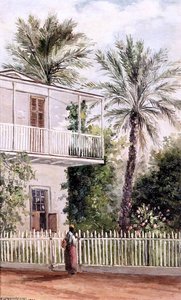
- Dr. Peck's Palm Trees, St. Augustine, Fla
- The Hetch Hetchy Valley on the Toulumne River, California
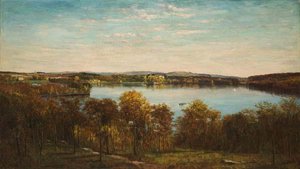
- Lake Waban from Wellesley College
- Place Of Birth: Boston, Massachusetts