 Preview
 Send
Send Share
Share
 Details

 Download
 Similars
 X-Ray
X-Ray Diaporama
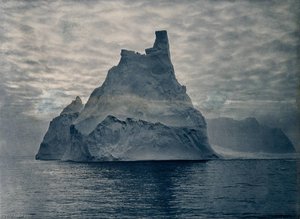
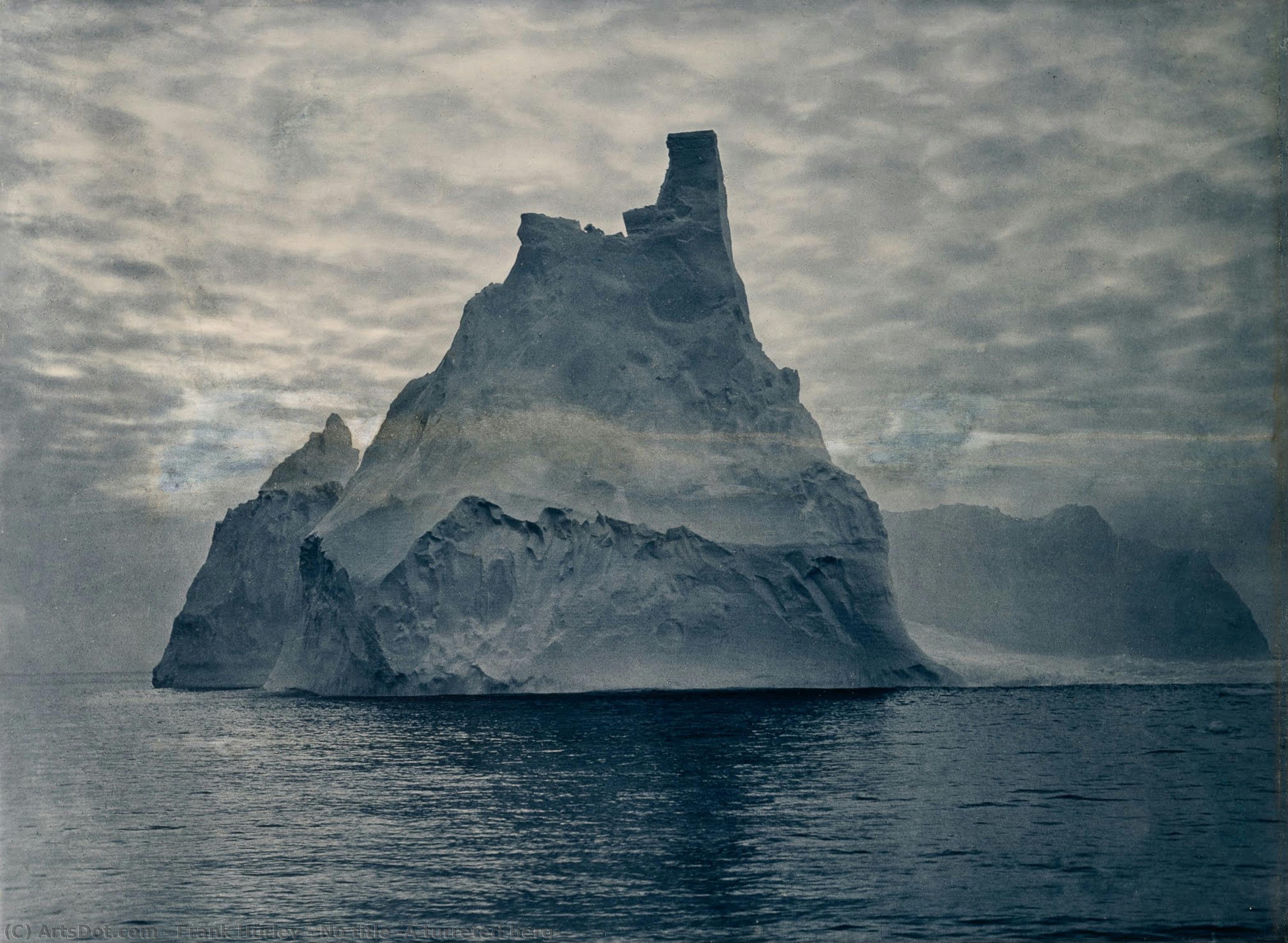
No title (A turreted berg)
 Acrylic On Canvas
- WallArt
- Impressionistic Photography
 1913
1913 43.0 x 59.0 cm
 National Gallery of Victoria
 Read More
Hand Made Oil Reproduction
Hand-painted oil on canvas in your size and frame, made to order by our artists. ( Buy Print Buy Image)




P118B $10

P118H $10

P118W $10

P438Z $10

P508JH $12

P508YH $12

P805H $10

P805Z $10

P919BZ $10

P919G $10

P919XJ $10

P959ZH $10

P968JZ $12

W106C $8

W218G $10

W218JH $8

W218Y $10

W307PJ $10

W316G $10

W316PJ $8

W316Y $10

W398PJ $8

W4111J $10

W500HY $15

W500JH $15

W692G $12

W849H $8

W940BG $15

W953PJ $8




Pick from our preset sizes that match the artwork's original proportions.

You may enter your own dimensions to fit a specific frame or space. If your selected size does not match the original image's proportions, we will either crop the artwork or extend the painting with additional hand-painted elements. A digital mockup will be sent for your approval before production begins.
Please note that the on-screen preview does not reflect the actual cropping or extension. Only the mockup will accurately show the final composition.
While custom sizes are available, we recommend selecting a dimension from the predefined list to preserve the original proportions.
After order, ArtsDot.com team will email client for instructions and provide a mockup preview
Worldwide Delivery () in 3/4 weeks instead of standard 5 weeks. (18 August). No compromise on quality.

Free Worldwide Express Shipping

High-Quality Linen Canvas

Full Shipping Insurance

Customs Tax Refund Guarantee

True Color Matching Guarantee

60-Day Return Policy (Defects Only)

100% Money-Back Guarantee

Bulk Discount Offer
 Glass option is only available in size under 110 CM

No title (A turreted berg)
Reproduction Medium
Reproduction Size
-


Total Price
$ 263
Artwork Description
Frank Hurley’s “No Title (A turreted berg)” – A Monument to Antarctic Majesty
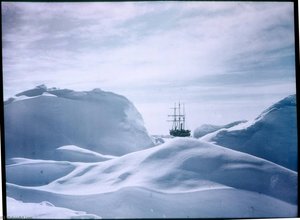
“No Title (A turreted berg),” created in 1913 by Australian photographer Frank Hurley, stands as a testament to the pioneering spirit of early Antarctic exploration and a masterful demonstration of photographic technique. More than just an image, it’s a carefully crafted narrative frozen in time—a visual chronicle of Mawson's Australasian Antarctic Expedition and a poignant reflection on humanity’s encounter with the sublime indifference of nature.
- Subject Matter: The photograph captures a colossal iceberg dominating the horizon against a dramatic sky ablaze with swirling clouds. Hurley meticulously documented this breathtaking spectacle, recognizing its significance as a symbol of both scientific discovery and artistic inspiration.
- Style & Technique: Hurley’s approach was characterized by an ambitious blend of realism and theatrical manipulation. He skillfully combined multiple negatives to heighten the visual impact of the scene—a technique common in the era—creating a composite image that transcends mere documentation, aiming instead for emotional resonance. The wet plate collodion process, favored by Hurley, ensured exceptional detail and tonal range, capturing the icy luminescence with remarkable accuracy.
- Historical Context: Shot during the Australasian Antarctic Expedition (1911–14), “No Title” embodies the fervor of the Age of Exploration. The expedition’s goal was to advance scientific understanding of Antarctica while confronting the harsh realities of survival in extreme conditions—a challenge Hurley confronted head-on, transforming hardship into visual grandeur.
- Composition & Lighting: The photograph's composition prioritizes the iceberg’s imposing presence, positioning it slightly off-center to draw the viewer’s eye and emphasizing its scale against the expansive sky. Diffused lighting contributes to an ethereal atmosphere, mirroring the desolate beauty of Antarctica and conveying a sense of solitude and awe.
- Symbolism & Emotional Impact: The iceberg itself serves as a potent symbol—a towering edifice of frozen majesty representing resilience, isolation, and the enduring power of geological forces. Hurley’s artistic vision elevates this natural phenomenon into an emblem of human aspiration and wonder, inviting contemplation on our place within the vastness of the cosmos.
This striking image exemplifies Hurley's dedication to capturing not just what he saw but also how it felt—a profound connection with a landscape that simultaneously inspires terror and reverence. Its enduring appeal lies in its ability to transport viewers back to a pivotal moment in Antarctic exploration, reminding us of the transformative potential of photography as both science and art.
Related Artworks
Artist Biography
James Francis Hurley: A Pioneer of Antarctic and War Photography
Frank Hurley (1885-1962) stands as a singular figure in the history of photography, an adventurer whose life was inextricably linked to exploration and documented through his remarkable images. Born in Glebe, Sydney, Australia, into a modest family, Hurley’s early years were marked by a restless spirit and a fascination with engineering – experiences that would later inform his approach to capturing dramatic landscapes and perilous situations. His escape from the Lithgow steel mill at just 14, followed by an apprenticeship, provided him with practical skills alongside a burgeoning artistic eye, culminating in his purchase of a Kodak box brownie at the age of twenty. This humble beginning belied a career that would take him to the furthest reaches of the globe, documenting both breathtaking beauty and harrowing survival. Hurley’s legacy isn't simply about capturing images; it’s about crafting narratives through visual storytelling – a skill honed by his willingness to immerse himself in challenging environments and, when necessary, employ carefully orchestrated staging to achieve the desired effect.Early Adventures and Antarctic Beginnings
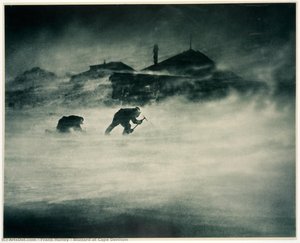
Hurley’s first significant expedition was as official photographer for Douglas Mawson's Australasian Antarctic Expedition of 1911-14. This undertaking, a testament to his tenacity and persuasive abilities, saw him cornering Mawson on a train to secure the position – a story he recounted in his own biography. The harsh realities of life at Cape Denison, coupled with the logistical challenges of documenting the expedition, shaped Hurley’s photographic style. He famously captured the brutal conditions faced by the team, including scenes of men battling against the relentless force of katabatic winds, an image that remains a powerful symbol of human endurance in the face of adversity. Beyond simply recording events, Hurley sought to convey the psychological and physical toll of exploration, utilizing his camera to reveal both the heroism and the vulnerability of those involved. His photographic output from this expedition was instrumental in securing funding for future endeavors, demonstrating the commercial potential of his unique brand of adventure photography.The Endurance Expedition: Risk and Preservation
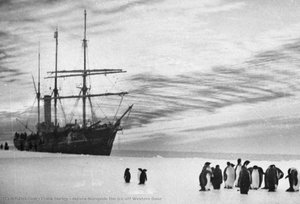
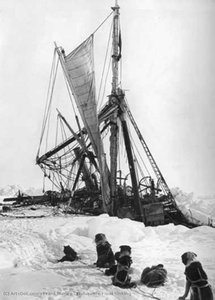
Hurley’s most celebrated contribution to photography came during Ernest Shackleton's Imperial Trans-Antarctic Expedition (1914-16). This harrowing journey, culminating in the loss of the *Endurance* to crushing ice, demanded extraordinary courage and resourcefulness. Hurley, armed with a small hand-held camera, risked his life repeatedly to salvage crucial photographic materials – a testament to his dedication to preserving the story of the expedition. He famously dived into freezing waters to retrieve submerged plates, an act that underscored his commitment to documenting the events as they unfolded. The resulting images, particularly those depicting Shackleton’s desperate struggle for survival on the ice floe, are considered among the most iconic and emotionally resonant photographs ever taken in Antarctica. It's important to note Hurley’s use of composite photography during this expedition – a technique that allowed him to create more complete narratives from limited photographic resources, showcasing his artistic ingenuity.War Photography and Cinematic Innovation
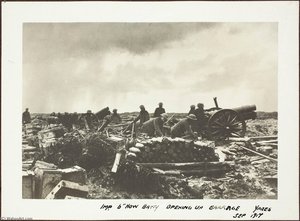
Following the Antarctic expeditions, Hurley served as an official war photographer with the Australian Imperial Forces during World War I. He produced striking color-plate photographs of soldiers in action, offering a rare glimpse into the realities of trench warfare. However, it was his work in cinema that truly cemented his place in photographic history. He filmed *Home of the Blizzard (Life in the Antarctic)*, a silent documentary based on Mawson’s expedition, which became an international sensation and established him as a pioneering filmmaker. The film's complex provenance remains debated, but its impact was undeniable – it brought the wonders and dangers of Antarctica to a wider audience and showcased Hurley’s innovative use of motion picture photography. He continued his cinematic pursuits after the war, directing feature films that further demonstrated his versatility as an artist.Legacy and Influence
Frank Hurley's impact extends far beyond his individual photographs and films. He was a key figure in establishing Australian documentary filmmaking, pioneering techniques of staged photography and composite images to enhance storytelling. His work on the Antarctic expeditions profoundly shaped public perception of the continent, inspiring generations of explorers and scientists. The Mount Hurley in Antarctica stands as a lasting tribute to his adventurous spirit and enduring legacy. Hurley’s approach – blending meticulous documentation with artistic manipulation – continues to influence photographers today, solidifying his position as a true innovator and a master storyteller through the lens. His archive remains a valuable resource for researchers and enthusiasts alike, offering a unique window into a remarkable life dedicated to capturing the extraordinary.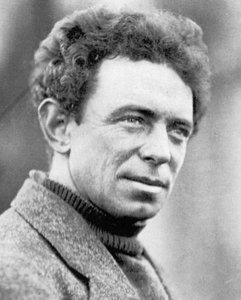
Frank Hurley
1885 - 1962
Quick Facts
- Artistic Movement Or Style: Photography, Adventure
- Artists Who Influenced This Artist: ['None],\n "Artists or movements influenced by this artist": [None']
- Date Of Birth: 1885-10-15
- Date Of Death: 1962-01-16
- Full Name: James Francis Hurley
- Nationality: Australian
- Notable Artworks:
- No title (A turreted berg)
- Untitled (AQZVCW)
- Untitled (AQZVCS)
- Place Of Birth: Sydney, Australia
Related Articles

Beyond the Horizon: 10 Landscape Masterpieces for Your Home Decor
Journey through 10 breathtaking landscape paintings by Monet, Van Gogh & more! Explore iconic artworks, artistic techniques & find inspiration for your home decor. Museum-quality reproductions at ArtsDot.com. Discover all masterpieces on ArtsDot.com

Romantic Landscapes: 10 Masterpieces for Your Home | ArtsDot
Journey through 10 Romantic landscape masterpieces by Friedrich, Turner & Cole. Explore emotional art, sublime nature scenes & iconic 19th-century paintings. Find museum-quality reproductions for your home at ArtsDot.com – discover the full collection online!

Evocations of Place: A Historical Journey Through Landscape Art
Explore the rich history of landscape art with ArtsDot. Discover renowned artists, movements like Impressionism & Romanticism, and expert guidance for collecting timeless pieces. Find your perfect serene escape today!

Beyond the Lens: Photography's Enduring Influence on Modern & Contemporary Art
Explore photography's pivotal role in shaping modern & contemporary art. Discover key movements, influential artists like Stieglitz, and expert collecting advice from ArtsDot.

Monochrome Visions: Exploring the Aesthetic & Historical Significance of Black & White Photography
Explore the rich history & artistic power of black and white photography. From early techniques to iconic masters like Ansel Adams, discover why monochrome continues to captivate art lovers today. Expert insights for collectors.