 Preview
 Send
Send Share
Share
 Details

 Download
 Similars
 X-Ray
X-Ray Diaporama
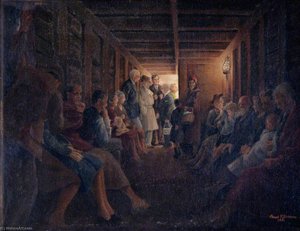
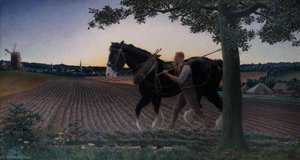
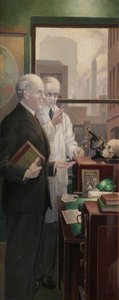
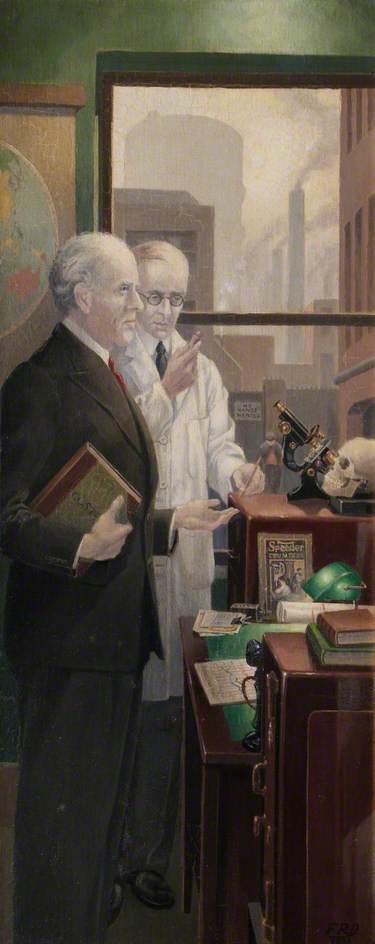
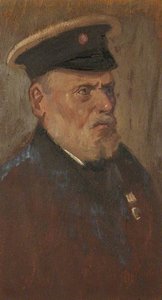
'Give to us each day our daily bread' (triptych, left wing)
 1936
1936 52.0 x 22.0 cm
 Sutton Central Library
 Read More
Giclée / Art Print
Museum-quality giclée or canvas print with fast production and flexible finish options. ( Buy Hand Made Painting Buy Image)




































Pick from our preset sizes that match the artwork's original proportions.

You may enter your own dimensions to fit a specific frame or space. If your selected size does not match the original image's proportions, we will either crop the artwork or extend the image with a mirrored or solid-fill edge. A digital mockup will be sent for your approval before production begins.
Please note that the on-screen preview does not reflect the actual cropping or extension. Only the mockup will accurately show the final composition.
While custom sizes are available, we recommend selecting a dimension from the predefined list to preserve the original proportions.
Worldwide Delivery () in 2 weeks instead of standard 4/5 weeks. (21 August)

Free Worldwide Express Shipping

High-Quality Linen Canvas

Full Shipping Insurance

Customs Tax Refund Guarantee

True Color Matching Guarantee

60-Day Return Policy (Defects Only)

100% Money-Back Guarantee

Bulk Discount Offer
 Glass option is only available in size under 110 CM

'Give to us each day our daily bread' (triptych, left wing)
Giclée / Art Print
Reproduction Size
-


Total Price
$ 63
Related Artworks









Artist Biography
Frank R. Dickinson: A Quiet Observer of British Life
Frank Richard Dickinson (1874-1961) remains a quietly significant figure in late 19th and early 20th century British art, often overshadowed by the more flamboyant movements of his time but possessing a unique and deeply personal style. Born in Carlisle, Pennsylvania, into an American family with strong ties to the Dickinson name (a lineage connected to John Dickinson, the Founding Father), Dickinson’s life was shaped by a blend of transatlantic heritage and a profound connection to the English countryside. His artistic journey began not through formal training but through a self-directed exploration of observation and craft, culminating in a distinctive body of work characterized by intimate scenes of rural life, evocative portraits, and a subtle yet powerful use of color and texture.
Dickinson’s early years were spent immersed in the natural world. His family's Arabian horse farm near Travellers Rest instilled in him a deep appreciation for landscape and a keen eye for detail. This formative experience, coupled with his father’s encouragement, fostered a lifelong passion for sketching and painting. He initially pursued an engineering career, working as a draughtsman before dedicating himself fully to art later in life. His background in technical drawing informed his meticulous approach to composition and rendering, lending a remarkable precision to his work.
The Carshalton Years and the Rise of Papier-Mâché
A pivotal moment in Dickinson’s artistic development occurred when he relocated to Carshalton, Surrey, in 1939. This move coincided with a period of intense personal reflection and creative experimentation. It was during this time that Dickinson developed his signature technique: the creation of intricate papier-mâché masks and figures, often depicting scenes from everyday life or portraits of local residents. These works weren’t merely decorative; they were imbued with a quiet dignity and a sense of intimacy rarely found in contemporary art.
Dickinson's fascination with Carshalton stemmed partly from its proximity to London and the opportunity to observe the rhythms of rural life. He meticulously documented the changing seasons, capturing the subtle shifts in light and atmosphere. His papier-mâché creations were not mass-produced; each was crafted with painstaking care, reflecting a deep respect for his subjects. The process itself – layering paper pulp, applying paint, and adding details – seemed to be as important as the final product, imbuing each piece with a tangible sense of time and labor.
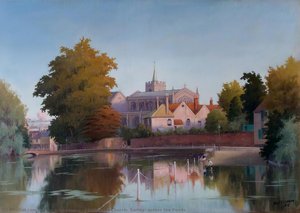
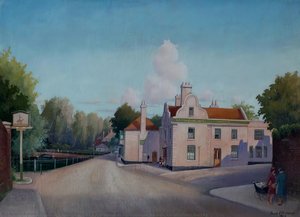
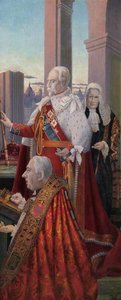
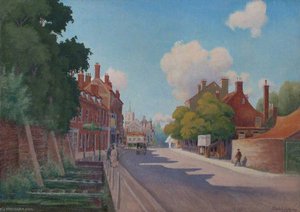
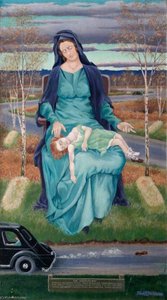
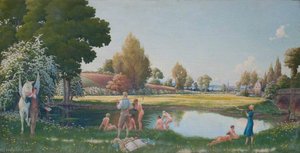
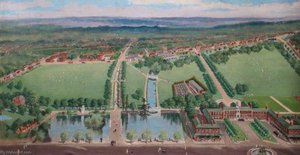
His most famous series, “Give to us,” comprised three triptychs depicting scenes from Carshalton’s history. These works, characterized by their muted palette and understated realism, offer a poignant glimpse into the lives of ordinary people. The triptychs are considered his masterpiece, showcasing his ability to capture not just physical likeness but also the essence of human experience.
Style and Influences
Dickinson’s style is difficult to categorize neatly. He wasn't a follower of any particular movement, instead developing a unique voice informed by a diverse range of influences. His early training in engineering instilled a sense of precision and order, while his exposure to the Arts and Crafts movement – particularly through figures like William Morris – fostered an appreciation for craftsmanship and decorative detail. The work of Edward Bawdie and other British artists who focused on capturing the beauty of everyday life also influenced him.
His use of color is notable for its subtlety and restraint. He rarely employed bright, vibrant hues, preferring instead to rely on a range of muted tones – browns, greens, grays – to create a sense of atmosphere and mood. Dickinson’s compositions are often characterized by their simplicity and clarity, focusing on key elements and avoiding unnecessary ornamentation. His portraits, in particular, possess a remarkable intimacy, capturing the subject's personality with quiet grace.
Legacy and Significance
Despite his relatively modest profile, Frank R. Dickinson deserves recognition as an important figure in British art of the mid-20th century. His work offers a refreshing counterpoint to the more flamboyant styles that dominated the era, providing instead a glimpse into the quiet beauty of everyday life. His innovative use of papier-mâché and his meticulous attention to detail have earned him a devoted following among collectors and enthusiasts. Dickinson’s legacy lies not in grand gestures or revolutionary innovations but in his ability to capture the essence of human experience with remarkable sensitivity and skill, reminding us of the value of observation, craftsmanship, and quiet contemplation.
His home, Little Holland House in Carshalton, remains a testament to his life's work, now open to the public as part of the Wallington Heritage Trust. Visiting this house offers a unique opportunity to step into Dickinson’s world and appreciate the depth and richness of his artistic vision.
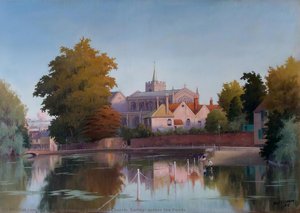
frank r dickinson
1901 -
Quick Facts
- Artistic Movement Or Style: Carshalton Art
- Artists Or Movements Influenced By This Artist: ['Dickinson College']
- Artists Who Influenced This Artist: ['Edward Dickinson']
- Date Of Birth: 1874
- Date Of Death: 1961
- Full Name: Frank R Dickinson
- Nationality: American
- Notable Artworks:
- Give to us Triptychs
- Carshalton Scenes
- Place Of Birth: Bethlehem, Pennsylvania