 Preview
 Send
Send Share
Share
 Details

 Download
 Similars
 X-Ray
X-Ray Diaporama
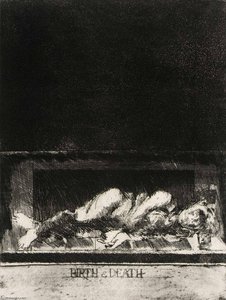
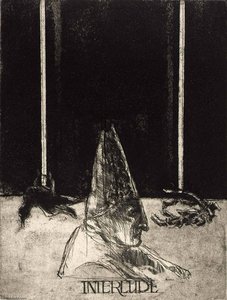
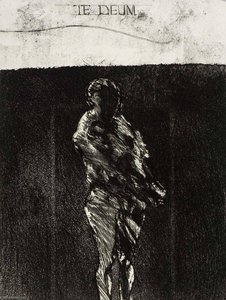
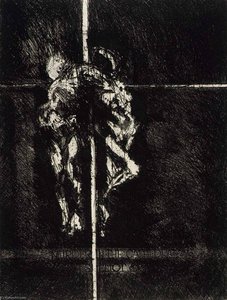
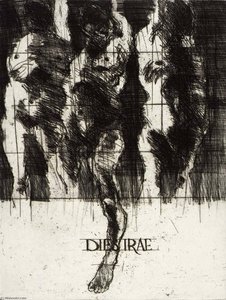
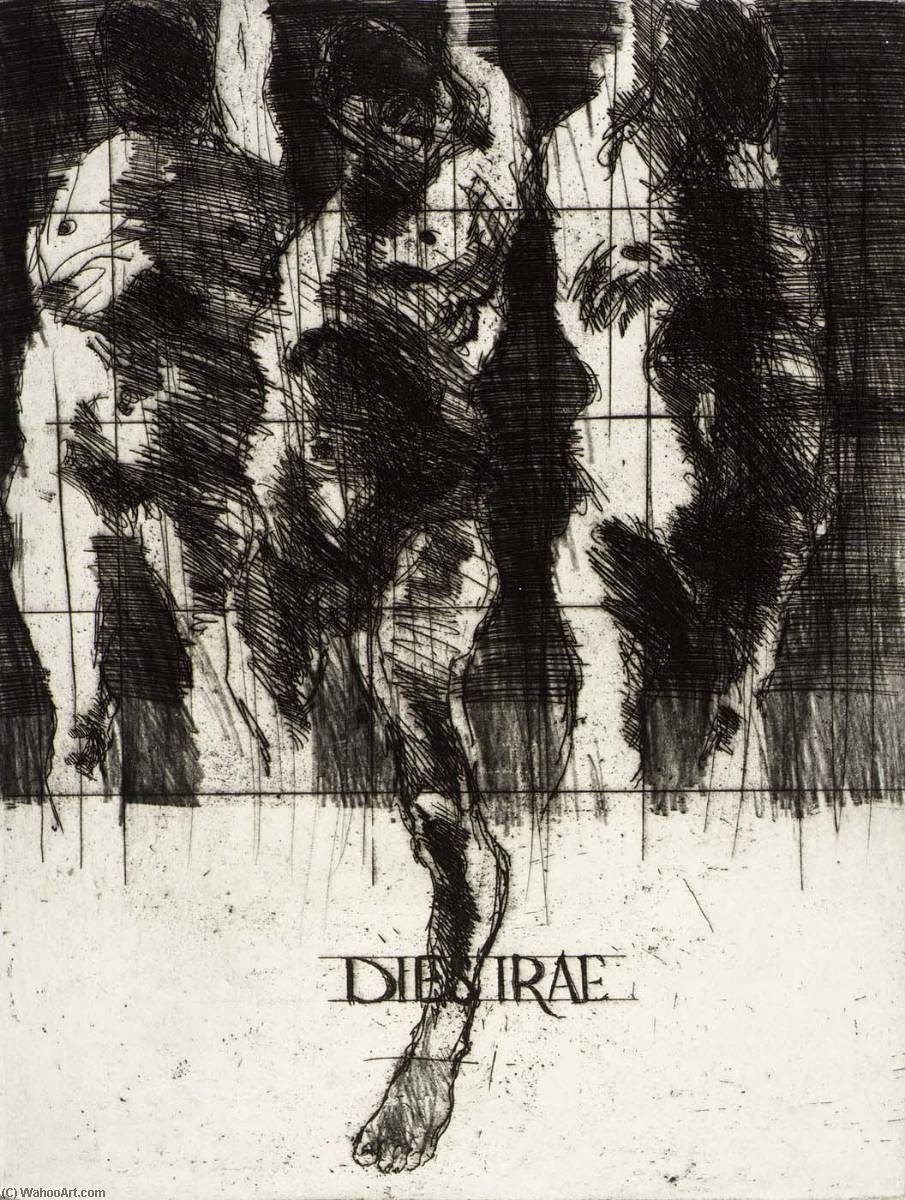
Dies Irae VII, from the portfolio Murder in the Cathedral
 1966
1966 40.0 x 31.0 cm
 Read More
Giclée / Art Print
Museum-quality giclée or canvas print with fast production and flexible finish options. ( Buy Hand Made Painting Buy Image)




































Pick from our preset sizes that match the artwork's original proportions.

You may enter your own dimensions to fit a specific frame or space. If your selected size does not match the original image's proportions, we will either crop the artwork or extend the image with a mirrored or solid-fill edge. A digital mockup will be sent for your approval before production begins.
Please note that the on-screen preview does not reflect the actual cropping or extension. Only the mockup will accurately show the final composition.
While custom sizes are available, we recommend selecting a dimension from the predefined list to preserve the original proportions.
Worldwide Delivery () in 2 weeks instead of standard 4/5 weeks. (23 August)

Free Worldwide Express Shipping

High-Quality Linen Canvas

Full Shipping Insurance

Customs Tax Refund Guarantee

True Color Matching Guarantee

60-Day Return Policy (Defects Only)

100% Money-Back Guarantee

Bulk Discount Offer
 Glass option is only available in size under 110 CM

Dies Irae VII, from the portfolio Murder in the Cathedral
Giclée / Art Print
Reproduction Size
-


Total Price
$ 63
Related Artworks





Artist Biography
Frank Rampolla: A Pioneer of Expressionist Landscape Painting
Frank O. Salisbury, born in New York City on November 1931, was a prolific artist who dedicated his life to exploring the expressive potential of landscape painting and figurative art. From an early age, he demonstrated exceptional talent for drawing and sculpting, honing his skills at Cooper Union before embarking on his academic journey at Boston University where he earned a Bachelor of Fine Arts degree magna cum laude in 1957. This formative experience instilled in him a deep appreciation for classical arts and literature, shaping his artistic sensibilities throughout his career. Salisbury’s artistic trajectory took a decisive turn when he relocated to Sarasota, Florida, in 1960, establishing himself as an instructor at Ringling School of Art until 1968. During this period, he cultivated a distinctive style characterized by luminous landscapes infused with atmospheric realism and imbued with profound emotional resonance—a stylistic hallmark that would define his subsequent artistic endeavors. He continued to teach painting at the University of South Florida from 1968-1971, furthering his commitment to fostering artistic creativity and disseminating knowledge within the broader community. Salisbury’s artistic output spanned decades, producing a remarkable body of work encompassing solo exhibitions, group shows, and commissions for prominent institutions like Ringling Museum of Art and Hillsborough Community College. His paintings—often rendered in bold hues and textured surfaces—captured the essence of American Luminism, reflecting both the grandeur of nature and the complexities of human experience. Notably, he was recognized as Britain’s ‘Painter Laureate,’ a prestigious honor bestowed upon him for his unwavering dedication to artistic excellence and his contribution to the cultural landscape of his time. A pivotal moment in Salisbury's career arrived in 1965 when he participated in “Art Across America,” showcasing his artwork alongside fellow artists at the Nixon Art Foundation Galleries in New Orleans. This exhibition solidified his reputation as a visionary artist who championed innovation and challenged conventional artistic norms—a stance that resonated powerfully with the spirit of the era, marked by social upheaval and cultural dynamism. Furthermore, Salisbury’s involvement in “Museum Choice: Loch Haven Art Center,” Orlando, Florida, underscored his commitment to engaging audiences with art and fostering dialogue about its significance. Salisbury's legacy extends beyond his artistic creations; he served as a mentor to aspiring artists and championed the importance of artistic education—a testament to his belief in nurturing talent and promoting cultural enrichment. His enduring influence can be seen in the works of subsequent generations of painters who embraced his stylistic approach and sought inspiration from his masterful command of color, texture, and composition. Frank O. Salisbury passed away peacefully in Tampa on December 1971, leaving behind a rich artistic heritage that continues to inspire admiration and scholarly inquiry.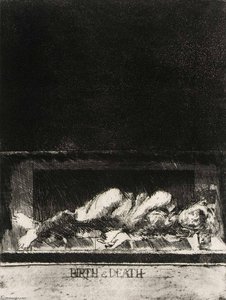
frank rampolla
1931 - 1971
Quick Facts
- Artistic Movement Or Style: Victorian Portraiture & Atmospheric Realism
- Artists Or Movements Influenced By This Artist: ['Romanticism']
- Artists Who Influenced This Artist:
- Frank Weston Benson
- Payne Gallery
- Date Of Birth: 1931
- Date Of Death: 1971
- Full Name: Frank O. Salisbury
- Nationality: American
- Notable Artworks:
- Interlude V
- Birth and Death IV
- Place Of Birth: New York City