 Preview
 Send
Send Share
Share
 Details

 Download
 Similars
 X-Ray
X-Ray Diaporama
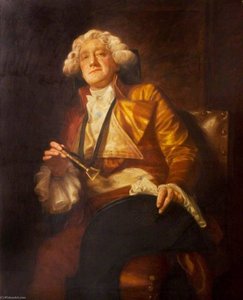
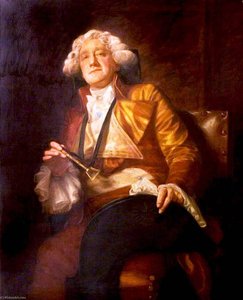
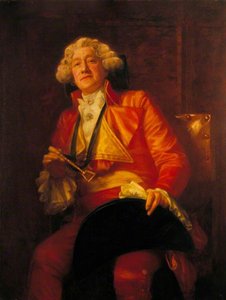
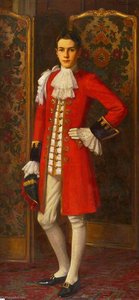
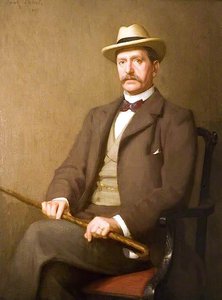
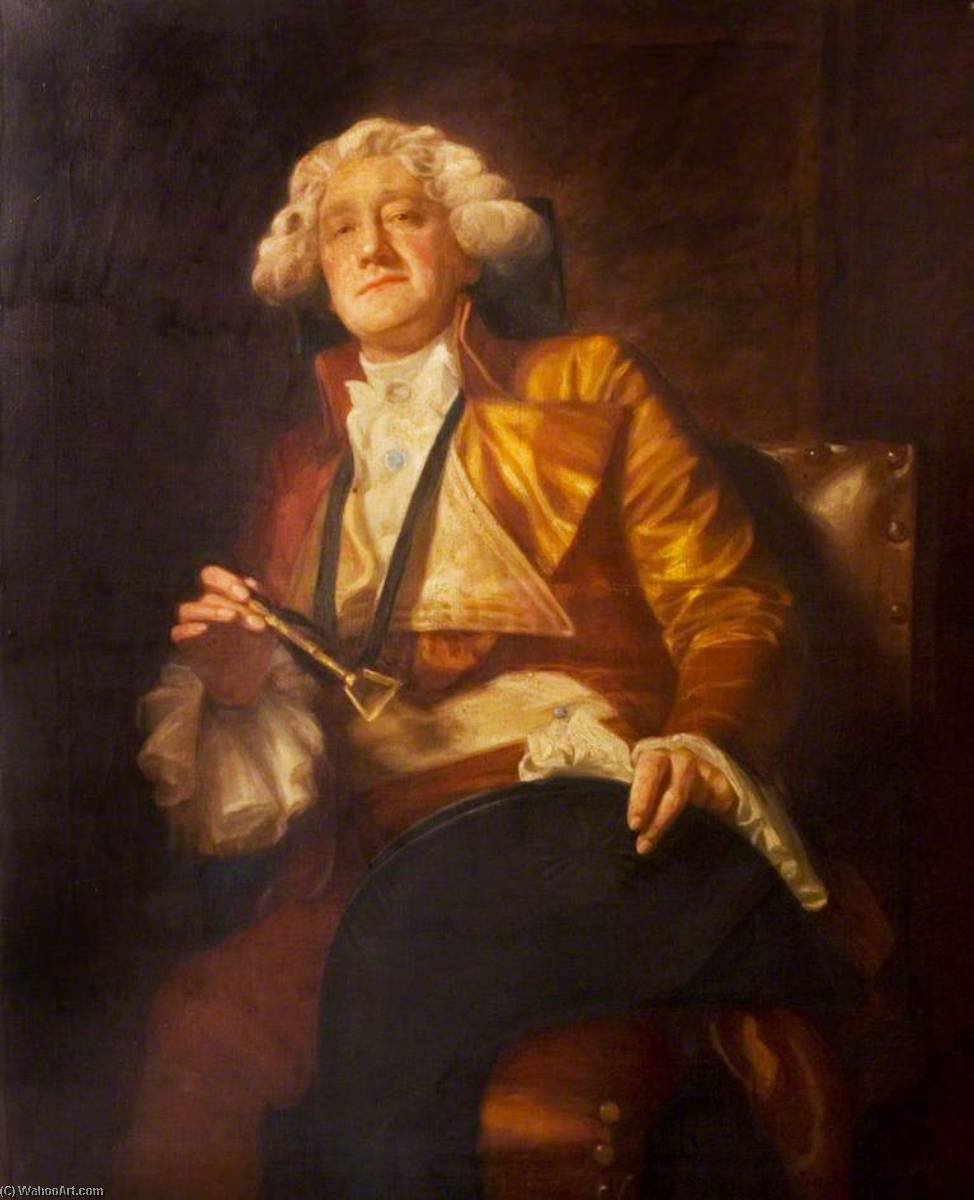
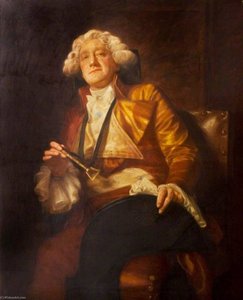
Fred Terry (1863–1933), as the Scarlet Pimpernel
 1919
1919 129.0 x 102.0 cm
 Herbert Art Gallery - Museum
 Read More
Hand Made Oil Reproduction
Hand-painted oil on canvas in your size and frame, made to order by our artists. ( Buy Print Buy Image)




































Pick from our preset sizes that match the artwork's original proportions.

You may enter your own dimensions to fit a specific frame or space. If your selected size does not match the original image's proportions, we will either crop the artwork or extend the painting with additional hand-painted elements. A digital mockup will be sent for your approval before production begins.
Please note that the on-screen preview does not reflect the actual cropping or extension. Only the mockup will accurately show the final composition.
While custom sizes are available, we recommend selecting a dimension from the predefined list to preserve the original proportions.
After order, ArtsDot.com team will email client for instructions and provide a mockup preview
Worldwide Delivery () in 3/4 weeks instead of standard 5 weeks. (23 August). No compromise on quality.

Free Worldwide Express Shipping

High-Quality Linen Canvas

Full Shipping Insurance

Customs Tax Refund Guarantee

True Color Matching Guarantee

60-Day Return Policy (Defects Only)

100% Money-Back Guarantee

Bulk Discount Offer
 Glass option is only available in size under 110 CM

Fred Terry (1863–1933), as the Scarlet Pimpernel
Reproduction Medium
Reproduction Size
-


Total Price
$ 263
Related Artworks








Artist Biography
The Dignified Legacy of Frank Robinson Daniell
Frank Robinson Daniell, a name synonymous with the refined elegance of the Victorian era, remains a profound figure in the history of British portraiture. Born in 1866, Daniell emerged during a transformative period in the art world, a time when the traditionalist's devotion to realism stood in quiet, resolute contrast to the burgeoning Impressionist movement. His artistic identity was forged under the expert guidance of George Ronald Lane, a mentorship that instilled in him a deep reverence for meticulous detail and the subtle complexities of human character. This foundation allowed Daniell to transcend the mere recording of physical features, enabling him to capture the very essence of his subjects' souls through a masterful command of light, shadow, and tonal gradation.
Daniell’s technique was characterized by a deliberate and patient approach to the canvas. While many of his contemporaries sought to capture the fleeting, ephemeral effects of sunlight, Daniell favored a more enduring method: the careful layering of oil paint to build rich textures and profound depth. This commitment to traditional craftsmanship allowed him to render the heavy folds of judicial robes, the intricate lace of aristocratic collars, and the nuanced expressions of the human face with an almost tactile realism. His work does not merely present a likeness; it constructs a presence, imbuing his subjects with a sense of permanence and historical weight that reflects the societal values of his time.
A Master of Character and Status
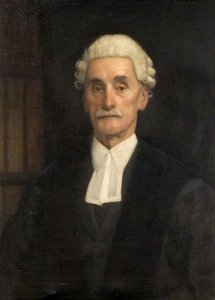
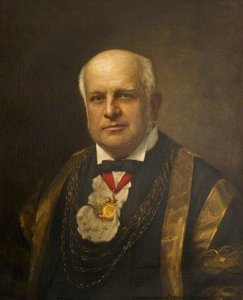
The breadth of Daniell’s oeuvre is most notably defined by his prestigious commissions, which served as a visual record of the British establishment. He became a preferred chronicler for those who held significant sway within the legal, political, and social hierarchies of London. His portraits were much more than vanity projects; they were studies in authority and grace. One of his most enduring achievements is the portrait of Judge Frederick Adolphus Philbrick, completed in 1913. In this work, Daniell captures not just the legal stature of the man, but a profound sense of wisdom and gravity, using every subtle crease and shadow to convey the weight of judicial responsibility.
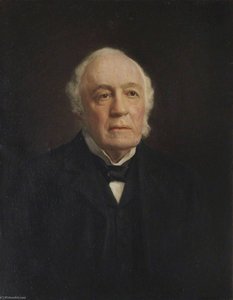
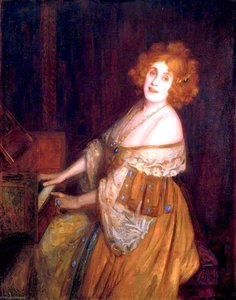
Beyond the halls of justice, Daniell’s talent extended to the depiction of notable figures such as Henry Charles Wanklyn and the celebrated theatrical duo Fred Terry & Julia Neilson. His ability to navigate between the formal rigidity required for statesmen and the more expressive needs of performers demonstrates a remarkable versatility. Even when stepping away from the human form, his artistic eye remained sharp; his evocative landscapes, such as the captivating 'Entrance at Middleburg, Holland', reveal a different facet of his skill, showing an ability to translate his mastery of light and atmosphere into the natural world.
Historical Significance and Artistic Enduring Spirit
The significance of Frank Robinson Daniell lies in his role as a guardian of classical portraiture during an age of rapid artistic upheaval. By adhering to the principles of realism and formal composition, he provided a sense of continuity and stability in the British art scene. His works serve as vital historical documents, offering contemporary viewers a window into the dignity, fashion, and social structures of the late 19th and early 20th centuries.
Today, the legacy of Daniell continues to resonate through his surviving masterpieces, which are cherished for their psychological depth and technical brilliance. His life's work stands as a testament to the power of observation and the enduring beauty of the classical tradition:
- Technical Mastery: A profound dedication to the layering of oils and the pursuit of realistic texture.
- Psychological Insight: The ability to move beyond surface representation to capture the inner character of his subjects.
- Historical Documentation: Creating a lasting visual archive of the British aristocracy, judiciary, and cultural icons.
- Stylistic Integrity: Maintaining a steadfast commitment to traditional methods amidst the rise of modernism.
frank robinson daniell
1866 - 1932
Quick Facts
- Artistic Movement Or Style: Victorian Portraiture
- Date Of Birth: 1866
- Date Of Death: 1932
- Full Name: Frank Robinson Daniell
- Nationality: British
- Notable Artworks:
- Entrance at Middleburg, Holland
- Judge Frederick Adolphus Philbrick (1835–1910), KC
- Place Of Birth: London, England