 Preview
 Send
Send Share
Share
 Details

 Download
 Similars
 X-Ray
X-Ray Diaporama
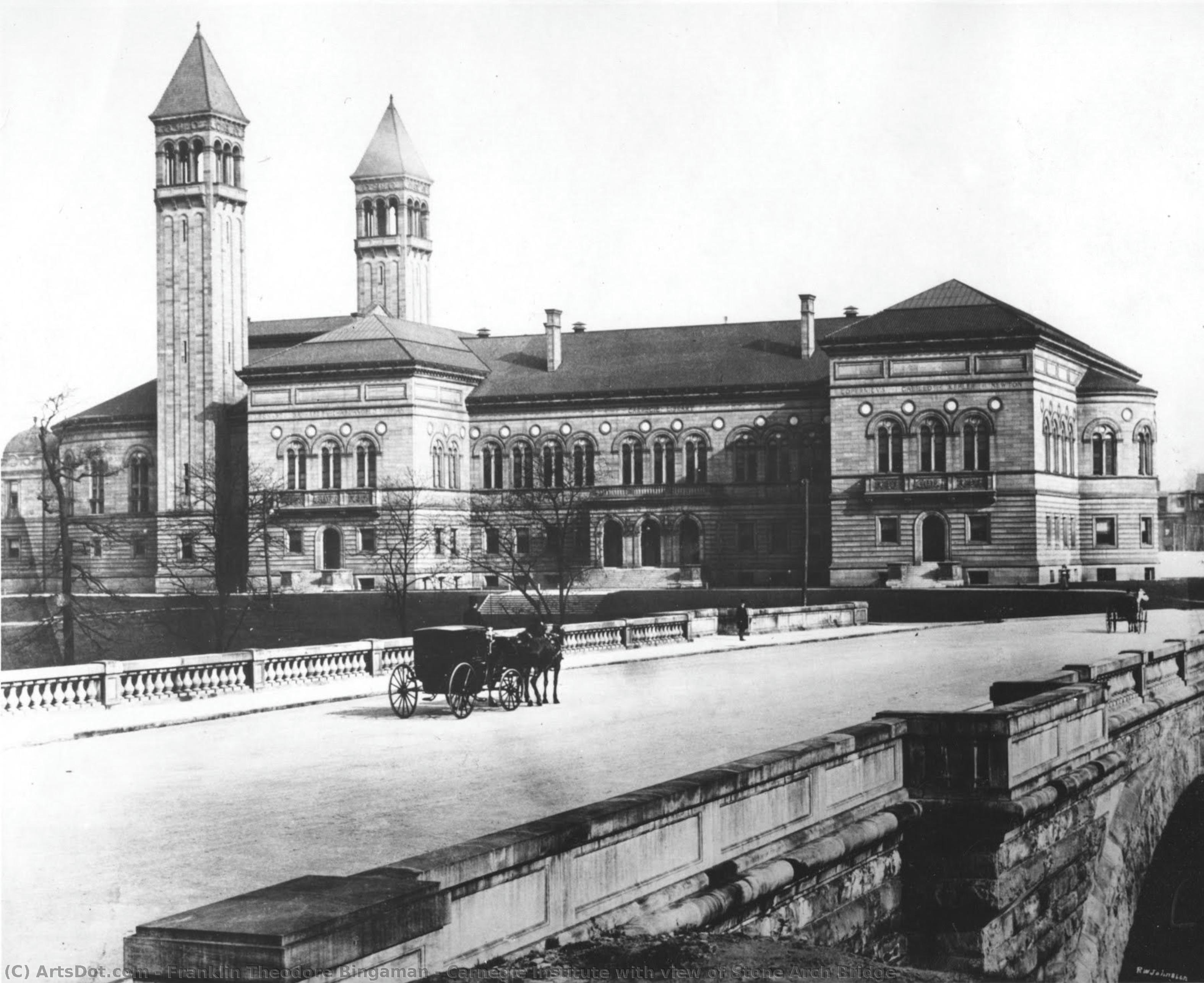
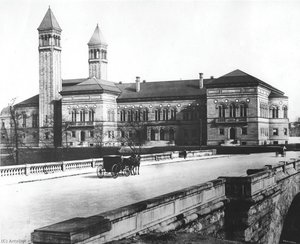
Carnegie Institute with view of Stone Arch Bridge


 Read More
Giclée / Art Print
Museum-quality giclée or canvas print with fast production and flexible finish options. ( Buy Hand Made Painting Buy Image)




































Pick from our preset sizes that match the artwork's original proportions.

You may enter your own dimensions to fit a specific frame or space. If your selected size does not match the original image's proportions, we will either crop the artwork or extend the image with a mirrored or solid-fill edge. A digital mockup will be sent for your approval before production begins.
Please note that the on-screen preview does not reflect the actual cropping or extension. Only the mockup will accurately show the final composition.
While custom sizes are available, we recommend selecting a dimension from the predefined list to preserve the original proportions.
Worldwide Delivery () in 2 weeks instead of standard 4/5 weeks. (28 August)

Free Worldwide Express Shipping

High-Quality Linen Canvas

Full Shipping Insurance

Customs Tax Refund Guarantee

True Color Matching Guarantee

60-Day Return Policy (Defects Only)

100% Money-Back Guarantee

Bulk Discount Offer
 Glass option is only available in size under 110 CM

Carnegie Institute with view of Stone Arch Bridge
Giclée / Art Print
Reproduction Size
-


Total Price
$ 63
Related Artworks






Artist Biography
The Lens of a Pioneer: The Life and Legacy of Franklin Theodore Bingaman
In the quiet, silver-toned echoes of early twentieth-century America, few captured the pulse of urban evolution as meticulously as Franklin Theodore Bingaman. Born in 1922 in Greencastle, Indiana, Bingaman carried with him a profound appreciation for technical precision and observational truth—virtues that would eventually make him a cornerstone of Pittsburgh’s photographic history. His journey was not merely one of documenting the visible world, but of translating the fleeting energy of a growing industrial titan into permanent, emotive visual narratives. Through his lens, the grit and grandeur of Pittsburgh were transformed into a timeless archive of human experience.
Bingaman’s professional ascent was deeply intertwined with the journalistic heartbeat of Pennsylvania. Serving as a photographer for the Pittsburgh Sun-Telegraph and the Pittsburgh Photographic Library, he occupied a unique vantage point from which to witness history unfolding in real-time. These roles provided him with more than just access; they offered him a front-row seat to the social and architectural metamorphosis of the era. He mastered the delicate art of tonal manipulation, using light and shadow not just to illuminate subjects, but to imbue them with a psychological depth that transcended simple documentation.
Mastery of Portraiture and the Human Spirit
The true soul of Bingaman’s oeuvre lies in his ability to capture the essence of his subjects through portraiture. He possessed a rare gift for finding the intersection between individual identity and historical significance. His work often moved beyond the surface, seeking to reveal the character beneath the skin. Some of his most enduring contributions include:
- The Suffragist Spirit: His iconic depiction of Anna Howard Shaw, alongside Mrs. J.O. Miller, serves as a poignant visual testament to the era’s struggle for women's rights, capturing a sense of dignity and resolute determination.
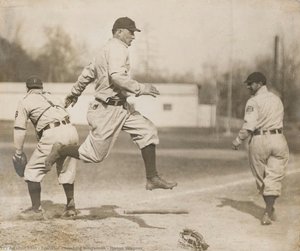
- Athletic Iconography: In 1910, Bingaman captured the legendary baseball figure Honus Wagner. This photograph remains celebrated for its remarkable accuracy, portraying Wagner with a complex duality of strength and vulnerability that mirrored the broader American themes of perseverance.
In these portraits, Bingaman did not merely record faces; he crafted icons. His mastery of composition allowed him to guide the viewer's eye toward the subtle nuances of expression, ensuring that the emotional resonance of the subject remained the focal point of the frame.
Architectural Preservation and Historical Significance
Beyond the intimate scale of portraiture, Bingaman turned his gaze toward the enduring structures of his adopted home. He understood that a city is defined as much by its stone and steel as by its people. Through extensive photographic documentation, he played a vital role in preserving the architectural heritage of Pittsburgh. His detailed studies of landmarks, such as the Carnegie Institute with its sweeping view of the Stone Arch Bridge, serve as essential historical records of a landscape that has since undergone immense change.
The significance of Franklin Theodore Bingaman’s work extends far beyond the borders of Pennsylvania. He stands as a bridge between the raw documentation of the early newsroom and the refined artistry of fine-art photography. By blending the technical rigor required by the Sun-Telegraph with a deeply personal, artistic vision, he ensured that the triumphs, struggles, and architectural majesty of his era would never fade into obscurity. His legacy remains etched in every silver halide grain, offering us a window into a vanished world through a lens of profound clarity.
franklin theodore bingaman
1922 - 2007 , United States of America
Quick Facts
- Artistic Movement Or Style: Photography
- Date Of Birth: May 29, 1922
- Full Name: Franklin Theodore Bingaman
- Nationality: American
- Notable Artworks:
- Anna Howard Shaw Portrait
- Honus Wagner Photo
- Place Of Birth: Greencastle, United States of America