

 Preview
 Send
Send Share
Share
 Details

 Download
 Similars
 X-Ray
X-Ray Diaporama
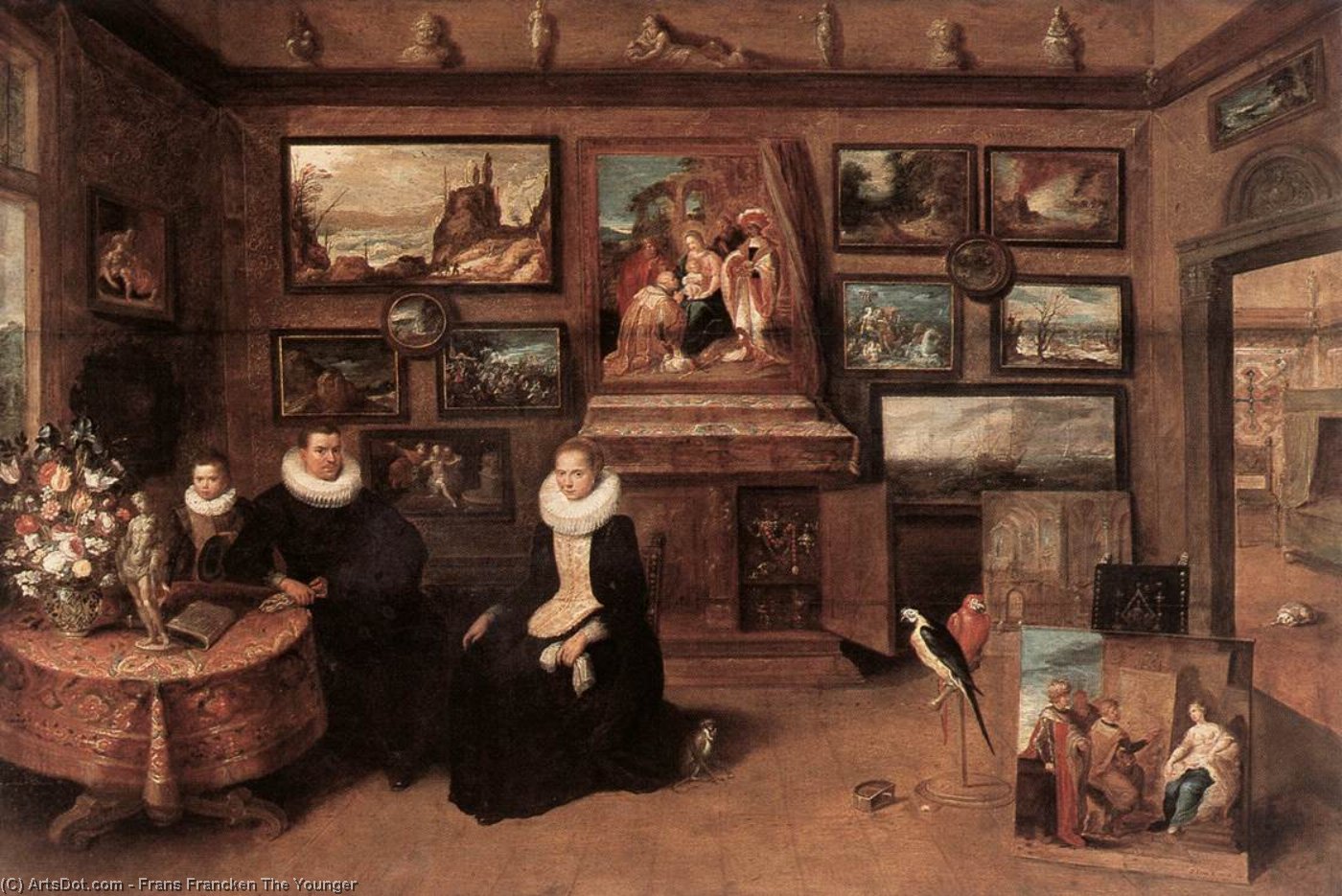
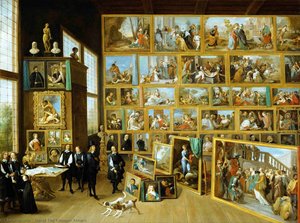
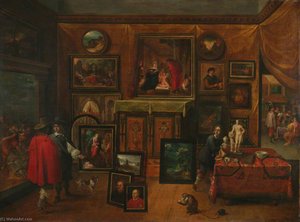
Sebastiaan Leerse in his Gallery
 Oil On Panel
- Baroque
 Early Modern
 77.0 x 114.0 cm
 Koninklijk Museum voor Schone Kunsten
 Read More
Purchase a high-resolution, enhanced digital image, far superior to the online preview.
Each file is meticulously prepared by our in-house specialists using advanced tools and expert manual retouching. We ensure every image has exceptional clarity, precise color accuracy, and fine detail.
The final file is delivered via email within 72 hours, optimized for immediate use in professional, editorial, and print environments. This is the same quality trusted by top-tier design studios, publishers, and galleries.
Digital Image
Download a high-resolution file for personal display, printing, and creative projects. ( Buy Print Buy Hand Made Painting)
Included in Every Digital Image Order
Expert Digital Delivery, Guaranteed
When you choose ArtsDot.com, you're not just getting an image - you're receiving a professionally enhanced digital artwork, crafted with precision and backed by a satisfaction guarantee. Here's everything that comes with your order, automatically:

Fast Email Delivery
Your high-resolution digital image file will be emailed to you within 72 hours of ordering - ready for immediate use.

AI-Enhanced Digital File
Your artwork is professionally optimized using advanced AI tools and manual editing, ensuring maximum detail, clarity, and color accuracy.

Free Lifetime Re-Delivery
Accidentally deleted or lost your file? No worries - we'll resend it to you anytime, free of charge.

No Import Fees - Ever
Enjoy your artwork instantly with zero customs, duties, or delivery fees - digital downloads are always tax-free.

Color Accuracy Guarantee
We ensure your digital image reflects the original colors as closely as possible using professional tools and color management.

60-Day Satisfaction Guarantee
If you're not satisfied with your digital image, we'll revise it or refund 100% within 60 days - no questions asked.

100% Money-Back Guarantee
Not satisfied? Get a full refund within 60 days of receiving your digital file - no questions asked.

Bulk Order Discounts
Buy 3 images, save 10% - Buy 5, save 15% - Buy 10+, save 20%. Great for creative projects, galleries, and agencies.
A Window into the Golden Age of Collecting
In the heart of the seventeenth century, the concept of the Kunstkammer—the cabinet of curiosities—represented the pinnacle of intellectual and social prestige. Frans Francken The Younger, a master of the Flemish Baroque, captures this exquisite era in his breathtaking masterpiece, Sebastiaan Leerse in his Gallery. This oil on panel work is far more than a mere depiction of a room; it is an intimate invitation into the private world of a wealthy merchant, where art, wealth, and social connection converge. As we gaze upon the scene, we are transported to an era where every gilded frame and sculpted marble figure served as a testament to the owner's erudition and global reach.
The composition is a marvel of narrative depth, drawing the viewer into a lively gathering that feels both staged and spontaneous. At the center of this opulent setting, figures dressed in the fine lace and ruffled collars of the period engage in the quiet, sophisticated ritual of art appreciation. A seated woman, perhaps the heart of this domestic salon, sits near a table where a small bird perches—a subtle symbol of life and nature amidst the curated permanence of the gallery. The presence of family and friends suggests that for the seventeenth-century elite, the enjoyment of art was a communal experience, a way to foster dialogue and reinforce social bonds through shared aesthetic values.
Mastery of Detail and Light
Technically, Francken demonstrates why he was a pioneer of the gallery painting genre. His use of oil on panel allows for an extraordinary level of luminosity and precision that is essential for such a complex subject. Each miniature painting hanging upon the walls is rendered with meticulous care, creating a "painting within a painting" effect that rewards the most attentive observer. The artist employs a sophisticated play of light to guide the eye through the crowded space, using reflections from large mirrors and the glint of gilded frames to create a sense of immense atmospheric depth. This technique not only expands the perceived dimensions of the room but also imbues the scene with a shimmering, lifelike quality.
For the discerning collector or interior designer, this artwork offers an unparalleled sense of luxury and historical weight. The intricate textures—from the heavy, patterned carpets underfoot to the delicate lace of the figures' attire—provide a rich visual tapestry that can anchor a room with elegance. Whether placed in a grand library or a contemporary study, a high-quality reproduction of this piece brings with it the spirit of the Flemish Baroque: a celebration of beauty, a reverence for history, and an enduring passion for the treasures of the human imagination.
Related Artworks

Artist Biography
Bernardo Strozzi: A Venetian Baroque Visionary
Bernardo Strozzi, a name synonymous with the dramatic intensity and luminous color of 17th-century Venice, was more than just an artist; he was a pivotal figure in shaping the city’s distinctive Baroque style. Born in Genoa around 1581 and tragically dying in Venice in 1644, Strozzi's life was marked by both artistic brilliance and spiritual transformation. Initially trained under Cesare Corte and later Pietro Sorri – artists who steered him away from the rigid Mannerism of Luca Cambiaso towards a more naturalistic approach – he quickly established himself as a master painter whose works resonated deeply with Venetian sensibilities. His career unfolded across two key cities, Genoa and Venice, each leaving an indelible mark on his artistic development. Strozzi’s early years were spent in Genoa, where he honed his skills and gained recognition for his ability to capture human emotion with remarkable immediacy. He was a prolific painter of history, allegorical scenes, genre works depicting musicians, and portraits – all rendered with a captivating blend of realism and theatricality. His subjects weren't merely depicted; they were imbued with a palpable sense of drama and psychological depth. Crucially, Strozzi’s artistic journey took an unexpected turn when he embraced the Capuchin monastic order in 1598. This decision profoundly influenced his work, imbuing it with a spiritual intensity and a focus on religious themes. The nickname “Il Prete Genovese” (the Genoese Priest) reflected this transformation, highlighting his dual identity as both an artist and a devout monk. This period saw him producing numerous devotional paintings, often featuring scenes from the life of St. Francis of Assisi – a testament to the order’s core values. The shift to Venice in 1630 marked a new chapter in Strozzi's career. The Venetian atmosphere, with its vibrant artistic community and patronage system, provided fertile ground for his continued development. He quickly established himself as a leading figure in the city’s art scene, attracting commissions from prominent families like the Doria and Centurione. His Venetian works are characterized by an even greater emphasis on color, light, and dramatic composition – hallmarks of the Venetian Baroque style. Strozzi's palette was rich and luminous, drawing inspiration from the work of both Caravaggio, known for his masterful use of chiaroscuro, and Gentileschi, whose dynamic brushwork and emotional intensity resonated with Strozzi’s own artistic vision. He skillfully blended these influences, creating a unique style that was simultaneously powerful and deeply moving.Key Artistic Characteristics & Techniques
Strozzi's art is immediately recognizable by several distinctive features. Firstly, his use of color is extraordinarily vibrant – deep reds, rich blues, and luminous yellows dominate his canvases, creating an atmosphere of intense drama and emotional resonance. Secondly, he employed a dynamic brushstroke technique, characterized by broad, energetic strokes that convey movement and vitality. This approach was particularly evident in his depictions of figures in motion, such as those found in his celebrated “Recapture of Bahía” painting for the Royal Buen Retiro Palace in Madrid. Furthermore, Strozzi masterfully utilized *chiaroscuro*, a technique involving strong contrasts between light and dark, to heighten the dramatic impact of his compositions. This was not merely a stylistic choice; it served to draw the viewer’s eye to key elements within the scene and to evoke specific emotions. His ability to capture fleeting expressions of emotion – joy, sorrow, fear – is truly remarkable, making his portraits particularly compelling.Influences & Artistic Connections
Strozzi's artistic development was shaped by a diverse range of influences. His early training under Cesare Corte and Pietro Sorri exposed him to the late Mannerist style of Luca Cambiaso, but Sorri encouraged him to move towards a more naturalistic approach. The work of Rubens, who spent time in Genoa during Strozzi’s formative years, undoubtedly influenced his use of color and composition. However, Strozzi's style was distinctly Venetian, drawing inspiration from the works of Caravaggio and Gentileschi – artists who were instrumental in shaping the city’s Baroque aesthetic. He also maintained close relationships with other prominent Venetian painters, including Guido Reni and Annibale Carracci, whom he knew personally. His collaborations with artists like Tobias Verhaecht and Abraham Govaerts further enriched his artistic practice.Legacy & Historical Significance
Despite a relatively short career, Bernardo Strozzi left an enduring legacy on the art of Venice. He is considered one of the founding fathers of Venetian Baroque painting, alongside artists like Titian and Veronese. His innovative use of color, dramatic composition, and psychological insight profoundly influenced subsequent generations of Venetian painters. His work continues to be admired for its emotional intensity, technical virtuosity, and captivating beauty. Strozzi’s story is a testament to the transformative power of art and faith, demonstrating how an artist's spiritual journey can shape his creative vision and leave a lasting impact on the world. His paintings offer a poignant glimpse into the turbulent yet vibrant cultural landscape of 17th-century Venice – a city that nurtured his talent and ultimately became the stage for his tragic demise in 1644.
frans francken the younger
1581 - 1642 , Belgium
Quick Facts
- Artistic Movement Or Style: Baroque
- Artists Or Movements Influenced By This Artist: ['Venetian painting']
- Artists Who Influenced This Artist:
- Caravaggio
- Gentileschi
- Rubens
- Date Of Birth: c. 1581
- Date Of Death: 1642
- Full Name: Bernardo Strozzi
- Nationality: Italian
- Notable Artworks:
- Recapture Bahía
- Allegorical paintings
- History paintings
- Place Of Birth: Genoa, Italy

