 Preview
 Send
Send Share
Share
 Details

 Download
 Similars
 X-Ray
X-Ray Diaporama
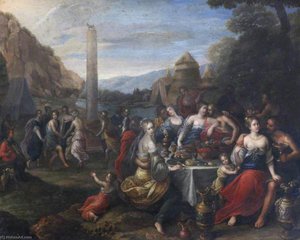
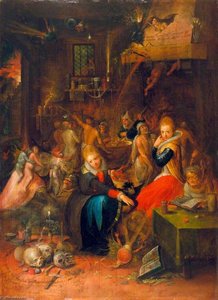
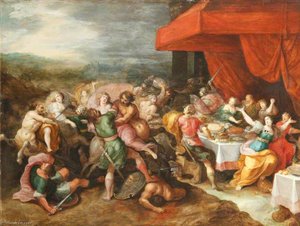
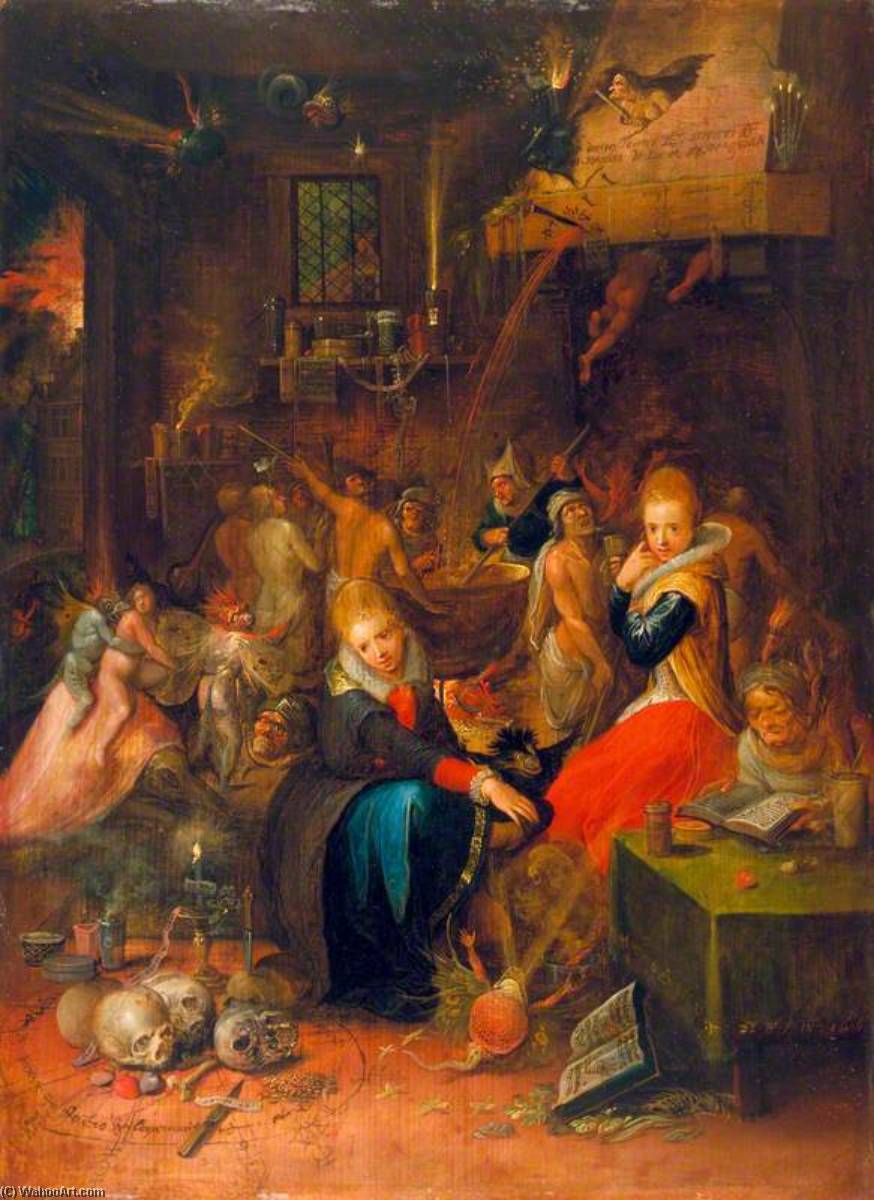
Witches' Sabbath
 1606
1606 47.0 x 35.0 cm
 Read More
Hand Made Oil Reproduction
Hand-painted oil on canvas in your size and frame, made to order by our artists. ( Buy Print Buy Image)




































Pick from our preset sizes that match the artwork's original proportions.

You may enter your own dimensions to fit a specific frame or space. If your selected size does not match the original image's proportions, we will either crop the artwork or extend the painting with additional hand-painted elements. A digital mockup will be sent for your approval before production begins.
Please note that the on-screen preview does not reflect the actual cropping or extension. Only the mockup will accurately show the final composition.
While custom sizes are available, we recommend selecting a dimension from the predefined list to preserve the original proportions.
After order, ArtsDot.com team will email client for instructions and provide a mockup preview
Worldwide Delivery () in 3/4 weeks instead of standard 5 weeks. (16 August). No compromise on quality.

Free Worldwide Express Shipping

High-Quality Linen Canvas

Full Shipping Insurance

Customs Tax Refund Guarantee

True Color Matching Guarantee

60-Day Return Policy (Defects Only)

100% Money-Back Guarantee

Bulk Discount Offer
 Glass option is only available in size under 110 CM

Witches' Sabbath
Reproduction Medium
Reproduction Size
-


Total Price
$ 263
Related Artworks
Artist Biography
A Legacy Forged in the Heart of Antwerp
Frans Francken III, born into a dynasty of artists in 1581 Antwerp, stands as a compelling figure within the Flemish Baroque tradition. His life unfolded amidst a city brimming with artistic energy, a crucial center for painting and commerce during the Spanish Netherlands period. The very foundations of his creative journey were laid by his parents, Frans Francken II and Elisabeth Placquet, both accomplished painters themselves. This familial immersion in artistry wasn’t merely a matter of inheritance; it was an environment that fostered observation, technique, and a deep understanding of the artistic currents shaping their world. Antwerp at this time was recovering from periods of religious and political upheaval, yet it remained a vibrant hub where innovation flourished, particularly within the realm of painting. The Francken family played a pivotal role in this scene for generations, establishing a strong foundation upon which Frans III would build his own distinguished career.Apprenticeship and Artistic Development
Frans Francken III’s artistic education began within the intimate setting of his father's workshop. Here, he absorbed not only technical skills but also the prevailing styles and subject matter favored by contemporary Flemish artists. This early training provided him with a solid grounding in draftsmanship, color theory, and composition—the essential building blocks of any successful painter. He formally entered the Antwerp Guild of Saint Luke in 1639, marking his recognition as an independent master capable of undertaking commissions and running his own workshop. Later, he ascended to the position of dean of the guild from 1656 to 1666, a testament to his standing within the artistic community and his leadership qualities. This period saw him not only creating his own works but also overseeing the training of apprentices, ensuring the continuation of artistic traditions. His style quickly became recognizable for its meticulous detail, vibrant palette, and dynamic compositions—qualities that would define his oeuvre.The ‘Rubensian’ Touch and Distinctive Themes
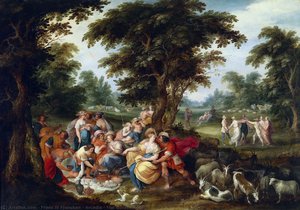
Francken III's work is deeply rooted in the Flemish Baroque aesthetic, yet he developed a unique voice within this tradition. He specialized in genre scenes – depictions of everyday life often imbued with moralizing undertones – portraits capturing the likenesses of prominent citizens, and what became his signature contribution: ‘cabinet paintings.’ These smaller-scale works were specifically designed for private collections, offering intimate glimpses into domestic interiors, art galleries, or allegorical narratives. He earned the moniker “Rubensian Francken” due to the significant influence of Peter Paul Rubens on his style. This wasn’t mere imitation; rather, Francken skillfully integrated elements of Rubens' dramatic lighting, energetic figures, and opulent color schemes into his own artistic vision. Arcadia – The Golden Age, exemplifies this ‘Rubensian’ flair with its lavish feast scene and dynamic arrangement of figures. Beyond these core themes, Francken also explored historical and religious subjects, drawing inspiration from biblical stories and classical mythology. However, it was his gallery paintings that truly set him apart—elaborate depictions of art collectors surrounded by their prized possessions, offering a fascinating window into 17th-century collecting habits and artistic tastes.A Lasting Impression on Flemish Art
Frans Francken III’s prolific output left an indelible mark on the landscape of Flemish Baroque painting. His ability to capture the spirit of his time through vibrant genre scenes, insightful portraits, and innovative gallery paintings cemented his place as a significant artist. He wasn't merely documenting reality; he was offering commentary on it—on social customs, artistic patronage, and the very nature of collecting. His influence extended beyond his own creations; as a respected teacher, he imparted his knowledge to aspiring artists such as Carstian Luyckx and Jan Baptist Segaert, ensuring that his techniques and aesthetic sensibilities would continue to resonate with future generations. While often overshadowed by the towering figure of Rubens, Francken III remains an important voice in Flemish art history, offering a unique perspective on 17th-century life and artistic culture. His work provides invaluable insights into the social, cultural, and artistic landscape of Flanders during this period, particularly through his gallery paintings which serve as historical records of art collecting practices and the evolving status of artists within society. He helped popularize this genre, influencing subsequent generations of painters to explore the world of art appreciation and display.Notable Works
- Arcadia – The Golden Age: A lavish feast scene exemplifying his ‘Rubensian’ style.
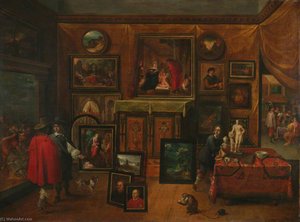
- The Interior of a Picture Gallery (1640): A detailed depiction of an art collector's surroundings, showcasing opulent art and social life.
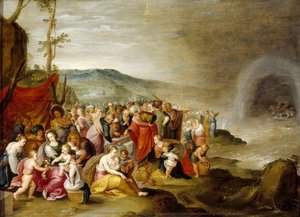
- The Worship of the Golden Calf: A dramatic biblical scene demonstrating his mastery of composition and color.
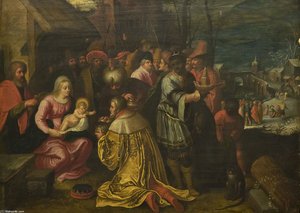
- The Adoration Of The Magi: A stunning Renaissance masterpiece with detailed realism & rich symbolism.
- A Young Lady And A Cavalier Holding A Letter: A captivating Baroque oil painting filled with intrigue, rich colors & masterful detail.
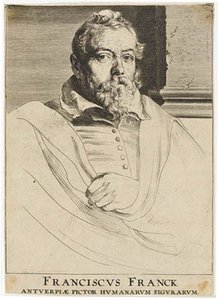
frans iii francken
1581 - 1642 , Belgium
Quick Facts
- Artistic Movement Or Style: Flemish Baroque
- Artists Or Movements Influenced By This Artist: ['David Teniers the Younger']
- Artists Who Influenced This Artist: ['Peter Paul Rubens']
- Date Of Birth: 1581
- Date Of Death: 1642
- Full Name: Frans Francken III
- Nationality: Flemish
- Notable Artworks:
- Arcadia – The Golden Age
- The Adoration Of The Magi
- The Worship of the Calf
- Place Of Birth: Antwerp, Belgium