

 Preview
 Send
Send Share
Share
 Details

 Download
 Similars
 X-Ray
X-Ray Diaporama
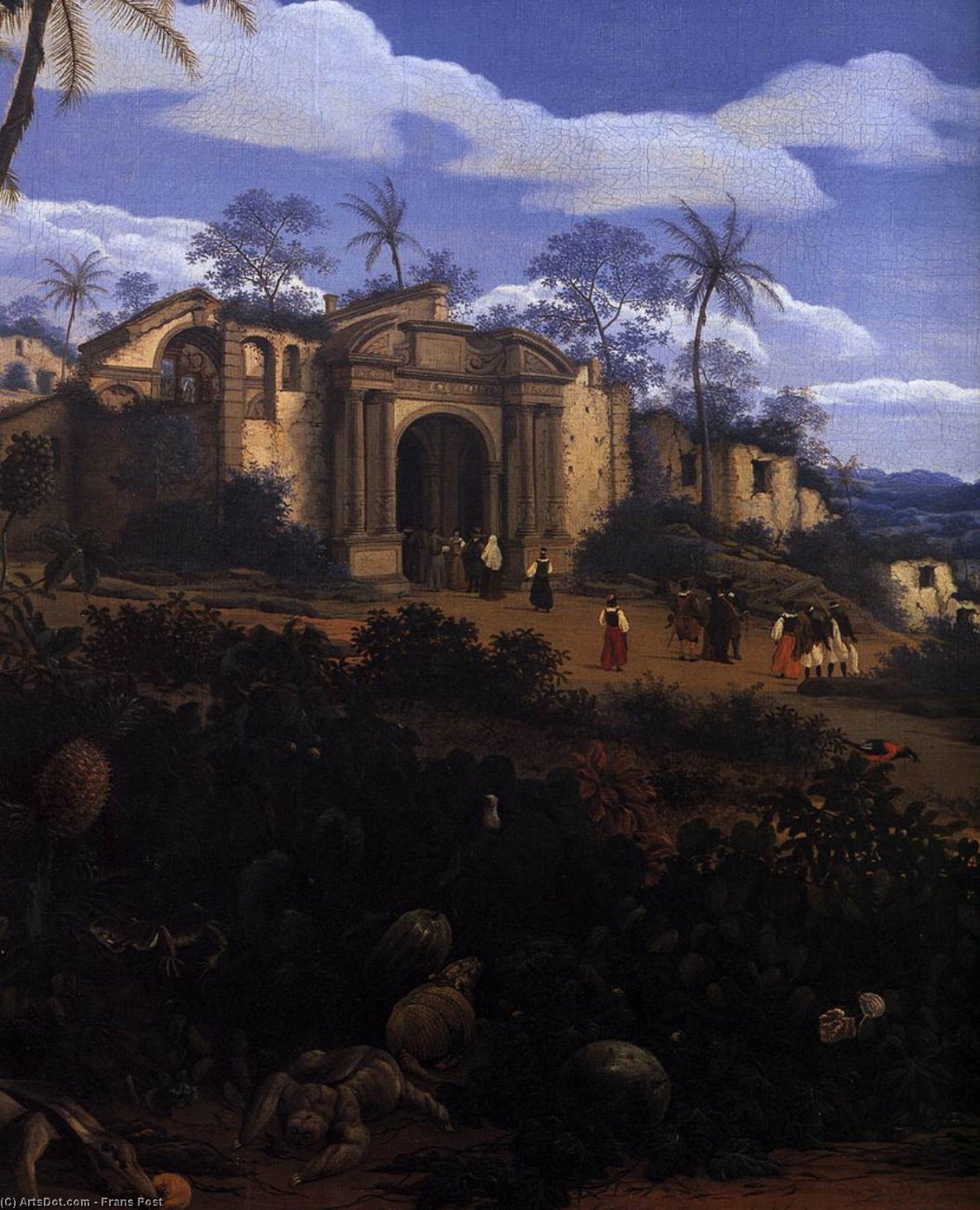
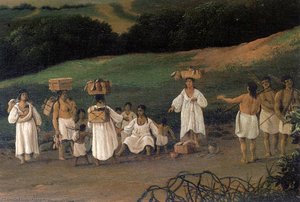
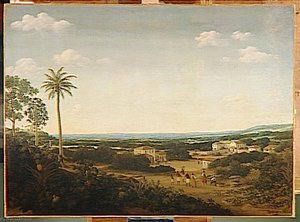
View of Olinda, Brazil (detail)


 Read More
Purchase a high-resolution, enhanced digital image, far superior to the online preview.
Each file is meticulously prepared by our in-house specialists using advanced tools and expert manual retouching. We ensure every image has exceptional clarity, precise color accuracy, and fine detail.
The final file is delivered via email within 72 hours, optimized for immediate use in professional, editorial, and print environments. This is the same quality trusted by top-tier design studios, publishers, and galleries.
Digital Image
Download a high-resolution file for personal display, printing, and creative projects. ( Buy Print Buy Hand Made Painting)
Included in Every Digital Image Order
Expert Digital Delivery, Guaranteed
When you choose ArtsDot.com, you're not just getting an image - you're receiving a professionally enhanced digital artwork, crafted with precision and backed by a satisfaction guarantee. Here's everything that comes with your order, automatically:

Fast Email Delivery
Your high-resolution digital image file will be emailed to you within 72 hours of ordering - ready for immediate use.

AI-Enhanced Digital File
Your artwork is professionally optimized using advanced AI tools and manual editing, ensuring maximum detail, clarity, and color accuracy.

Free Lifetime Re-Delivery
Accidentally deleted or lost your file? No worries - we'll resend it to you anytime, free of charge.

No Import Fees - Ever
Enjoy your artwork instantly with zero customs, duties, or delivery fees - digital downloads are always tax-free.

Color Accuracy Guarantee
We ensure your digital image reflects the original colors as closely as possible using professional tools and color management.

60-Day Satisfaction Guarantee
If you're not satisfied with your digital image, we'll revise it or refund 100% within 60 days - no questions asked.

100% Money-Back Guarantee
Not satisfied? Get a full refund within 60 days of receiving your digital file - no questions asked.

Bulk Order Discounts
Buy 3 images, save 10% - Buy 5, save 15% - Buy 10+, save 20%. Great for creative projects, galleries, and agencies.
Collectible Description
A Pioneering Vision: Frans Post’s “View of Olinda, Brazil (detail)”
Frans Post's "View of Olinda, Brazil (detail)" isn’t merely a landscape painting; it’s a pivotal document in the history of art and colonialism. Completed around 1662, this oil on canvas offers an unprecedented glimpse into Dutch Brazil – a vibrant, complex society at the heart of the burgeoning Atlantic trade. More than just a picturesque scene, it's a carefully constructed narrative reflecting Post’s unique position as the first European artist to dedicate himself to depicting the Americas, specifically the realities of colonial life in Northeast Brazil. The painting invites us into a world both familiar and profoundly strange, a testament to Post’s artistic skill and his role as an early chronicler of a rapidly changing continent.
The scene unfolds within Olinda, a significant sugar-producing settlement nestled along the Capibaribe River. Post masterfully captures the bustling energy of the town – a mix of European architecture, indigenous dwellings, and African labor structures. The foreground is dominated by a winding road, a deliberate compositional element that draws the eye into the heart of the scene. Scattered along this path are figures: Europeans in their somber attire, hinting at the colonial administration; Indigenous people engaged in daily activities, subtly suggesting the ongoing negotiation between cultures; and, crucially, African laborers – depicted not as savage primitives but rather as integrated members of the community, working alongside their European counterparts. This careful representation challenged prevailing stereotypes and offered a more nuanced perspective on the realities of colonial Brazil.
A Masterclass in Dutch Landscape Style
Post’s artistic approach is deeply rooted in the traditions of Dutch Golden Age landscape painting, yet he infuses it with a distinctly Brazilian sensibility. His brushwork is loose and expressive, creating a sense of movement and atmosphere. The colors are rich and vibrant – deep greens, earthy browns, and brilliant blues – reflecting the lush tropical environment. Notice how Post utilizes light to create depth and drama, casting long shadows across the landscape and highlighting key elements within the composition. He employs atmospheric perspective, subtly receding details into the distance, a technique perfected by generations of Dutch landscape masters.
The painting’s meticulous detail is remarkable. From the intricate patterns on the buildings to the individual leaves on the trees, Post demonstrates an extraordinary level of observation and skill. He doesn't simply paint what he sees; he actively shapes the scene, creating a harmonious composition that balances realism with artistic license. The inclusion of native flora and fauna – alongside European imports – speaks to the complex interplay between cultures within this colonial settlement.
Symbolism and Historical Context
“View of Olinda” is more than just a visual record; it’s laden with symbolic meaning. The ruined cathedral in the background, damaged during the Dutch conquest of Olinda in 1638, serves as a poignant reminder of colonial conflict and displacement. The presence of African laborers, often marginalized in European accounts, underscores the crucial role they played in Brazil's economy and society. Post’s decision to depict them alongside Europeans was a bold statement, challenging the prevailing racial hierarchies of the time.
It’s important to remember that Post created this painting during a period of intense exploration and colonization. He was part of a Dutch expedition sent to Brazil in 1637, tasked with establishing a foothold for the Dutch West India Company. His work offers a rare glimpse into the early stages of European engagement with the Americas – a time of both opportunity and exploitation. The painting’s creation coincided with a shift in artistic focus towards depicting the “New World,” marking a significant departure from traditional European subjects.
A Legacy of Vision
Frans Post's "View of Olinda, Brazil (detail)" remains a powerful and evocative work of art. It is not simply a beautiful landscape; it’s a historical document, a social commentary, and a testament to the pioneering spirit of an artist who dared to venture beyond Europe and capture the essence of a new world. Reproductions of this painting offer a unique opportunity to connect with a pivotal moment in history and appreciate the artistic genius of Frans Post – a true visionary of the Americas.
Related Artworks
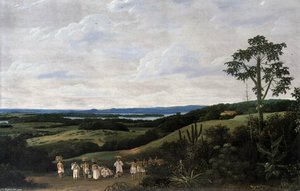
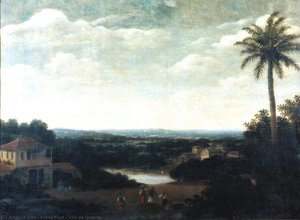
Artist Biography
A Pioneer of the American Landscape: The Life and Art of Frans Post
Frans Janszoon Post, a name perhaps less instantly recognizable than his Dutch Golden Age contemporaries like Rembrandt or Vermeer, occupies a unique and vital position in art history. Born in Haarlem in 1612, into a family steeped in artistic tradition – his father a glass painter, his brother a prominent architect – Post would become the first European artist to dedicate himself to depicting the landscapes of the Americas, specifically those of Dutch Brazil. His journey wasn’t merely geographical; it was a pioneering act that bridged two worlds and offered Europe its earliest sustained visual encounter with the New World's exotic beauty and complex colonial reality. While initially overshadowed by other masters of his time, Post’s work is now celebrated for its historical significance, artistic innovation, and captivating blend of observation and imagination.Early Training and the Call of Brazil
Post’s formative years unfolded amidst the vibrant art scene of Haarlem, a city brimming with talent. He likely received initial instruction from both his father and brother, absorbing their respective skills in color and design, and architectural principles. Though formal guild records are lacking, it is widely believed that Pieter de Molijn served as his master, imparting a foundation in landscape painting that would prove crucial to Post’s future endeavors. He moved within the same circles as Frans Hals, and shared artistic kinship with other Haarlem landscape painters like Jacob and Salomon van Ruysdael, Adriaen and Isaac van Ostade, and Pieter de Molijn himself. The outbreak of plague in Haarlem may have been a catalyst for his departure, but it was an invitation from Johan Maurits van Nassau-Siegen, the governor-general of Dutch Brazil, that truly altered the course of his artistic life. In 1637, Post embarked on a transformative voyage to northeastern South America, carrying with him not only brushes and paints but also the weight of expectation – to visually document this newly acquired colonial territory for European audiences.Documenting a New World: The Brazilian Period (1637-1644)
The seven years Post spent in Brazil were pivotal. Commissioned by Frederick Henry, Prince of Orange, he meticulously recorded the landscapes, settlements, and daily life of Dutch Brazil through sketches, etchings, and approximately six completed paintings during his time there. These early Brazilian works are remarkable for their blend of Dutch artistic conventions with novel subject matter. Wolfgang Stechow famously described Post’s style as “the old bottle filled with new wine,” aptly capturing this synthesis. He depicted recognizable locations, local topography, and the burgeoning colonial infrastructure, all rendered with a keen eye for detail. The inclusion of Brazilian vegetation – palm trees, sugarcane plantations – and occasional wildlife, possibly inspired by the naturalist Georg Marggraf who accompanied the expedition, added an exotic allure to his compositions. A distinctive feature of these paintings is the often-dominant gray sky, which lends a somber, atmospheric quality, perhaps reflecting the inherent complexities and uncertainties of colonial life. These weren’t simply picturesque views; they were records of conquest, labor, and cultural exchange.Return to Haarlem and Artistic Transformation
Upon his return to the Netherlands in 1644, Post integrated himself into the artistic community of Haarlem, joining the Guild of St. Luke and taking on leadership roles within it. However, his experiences in Brazil had profoundly altered his artistic vision. While his earlier works prioritized realism and detailed observation, his later paintings embraced a more imaginative and idealized approach. The landscapes became more expansive and resource-rich, imbued with a sense of abundance and conquest. Brighter colors replaced the somber tones of his Brazilian period, and exotic elements were incorporated to enhance the allure of the New World. He emphasized depth and perspective, creating lush, verdant scenes populated by vibrant flora and fauna. The use of deep blue hues, potentially resulting from pigment degradation over time, created striking contrasts and further heightened the sense of drama and spectacle. Post produced roughly 140 paintings throughout his lifetime, about half of which are dated, allowing art historians to trace the evolution of his style with precision.Legacy and Historical Significance
Frans Post’s legacy extends far beyond his artistic skill. His work stands as an invaluable visual document of Dutch colonial Brazil, offering insights into its landscape, settlements, economy, and social dynamics. Though later years were marked by personal struggles – including potential alcohol dependency – he remains a unique figure in art history: the pioneering European artist who brought the landscapes of the Americas to the attention of Europe, forever altering perceptions of the New World. His paintings weren’t merely aesthetic creations; they were instruments of colonial discourse, shaping European understanding of Brazil and its possibilities. Today, his works are treasured not only for their artistic merit but also for their historical significance, providing a window into a pivotal moment in global history – a time of exploration, colonization, and cultural exchange that continues to resonate today.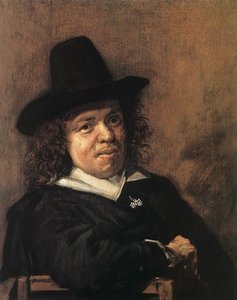
Frans Post
1612 - 1680 , Netherlands
Quick Facts
- Artistic Movement Or Style: Dutch Golden Age painting
- Artists Or Movements Influenced By This Artist: ['Brazilian landscape art']
- Artists Who Influenced This Artist:
- Pieter de Molijn
- Frans Hals
- Date Of Birth: 1612
- Date Of Death: 1680
- Full Name: Frans Janszoon Post
- Nationality: Dutch
- Notable Artworks:
- The Home of a 'Labrador'
- UNE HABITATION DE PLANTEURS
- View of Itamaracá
- Place Of Birth: Haarlem, Netherlands

