

 Preview
 Send
Send Share
Share
 Details

 Download
 Similars
 X-Ray
X-Ray Diaporama
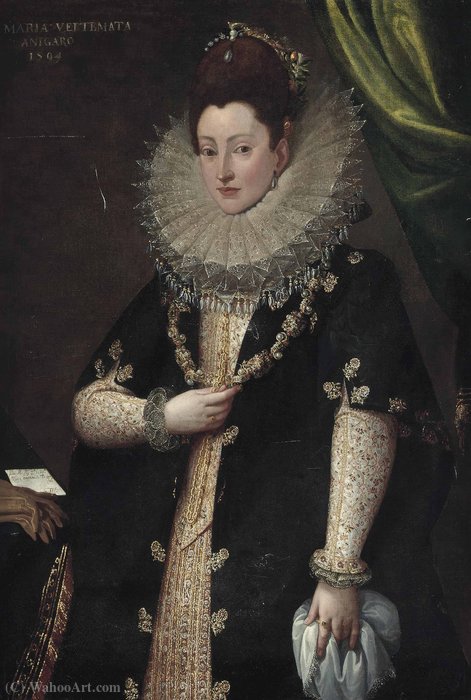
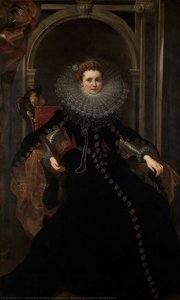
Portrait of Maria Vertemata
 Read More
Purchase a high-resolution, enhanced digital image, far superior to the online preview.
Each file is meticulously prepared by our in-house specialists using advanced tools and expert manual retouching. We ensure every image has exceptional clarity, precise color accuracy, and fine detail.
The final file is delivered via email within 72 hours, optimized for immediate use in professional, editorial, and print environments. This is the same quality trusted by top-tier design studios, publishers, and galleries.
Digital Image
Download a high-resolution file for personal display, printing, and creative projects. ( Buy Print Buy Hand Made Painting)
Included in Every Digital Image Order
Expert Digital Delivery, Guaranteed
When you choose ArtsDot.com, you're not just getting an image - you're receiving a professionally enhanced digital artwork, crafted with precision and backed by a satisfaction guarantee. Here's everything that comes with your order, automatically:

Fast Email Delivery
Your high-resolution digital image file will be emailed to you within 72 hours of ordering - ready for immediate use.

AI-Enhanced Digital File
Your artwork is professionally optimized using advanced AI tools and manual editing, ensuring maximum detail, clarity, and color accuracy.

Free Lifetime Re-Delivery
Accidentally deleted or lost your file? No worries - we'll resend it to you anytime, free of charge.

No Import Fees - Ever
Enjoy your artwork instantly with zero customs, duties, or delivery fees - digital downloads are always tax-free.

Color Accuracy Guarantee
We ensure your digital image reflects the original colors as closely as possible using professional tools and color management.

60-Day Satisfaction Guarantee
If you're not satisfied with your digital image, we'll revise it or refund 100% within 60 days - no questions asked.

100% Money-Back Guarantee
Not satisfied? Get a full refund within 60 days of receiving your digital file - no questions asked.

Bulk Order Discounts
Buy 3 images, save 10% - Buy 5, save 15% - Buy 10+, save 20%. Great for creative projects, galleries, and agencies.
Related Artworks
Artist Biography
A Legacy Forged in Bruges: The Life and Art of Frans Pourbus the Elder
Frans Pourbus the Elder, a name resonating within the annals of Flemish Renaissance art, emerged from the artistic heartland of Bruges in 1545. Born into a family deeply entrenched in the world of painting – his father, Pieter Pourbus, was a respected artist who had migrated from Gouda – Frans’s path seemed predetermined. His mother, Anna Blondeel, further solidified this creative lineage as the daughter of Lancelot Blondeel, a multifaceted talent encompassing painting, architecture, surveying, and cartography. This rich artistic heritage provided young Frans with an immersive environment where he received his initial training directly from his father, absorbing the traditional Flemish techniques that would form the foundation of his style. By approximately 1550, at just fifteen years of age, he had already ascended to a position of significant responsibility within his father’s workshop, demonstrating an early aptitude and dedication to the craft.Antwerpian Influences and Artistic Development
The trajectory of Pourbus' artistic development took a pivotal turn in 1564 when he ventured to Antwerp and entered the studio of Frans Floris. This marked a crucial period of exposure to the burgeoning “Romanist” movement, characterized by a fascination with the Italian High Renaissance masters – Michelangelo and Raphael foremost among them. Floris, a leading figure in this artistic current, instilled within Pourbus an appreciation for a more dynamic and painterly approach, moving beyond the meticulous detail often associated with earlier Flemish painting. Pourbus wasn’t merely a passive observer; he actively participated in completing unfinished canvases under Floris's guidance, honing his skills and absorbing the master’s stylistic nuances. A planned journey to Italy in 1566 was curiously abandoned after a visit to Lucas de Heere in Ghent, reportedly captivated by the painter-poet’s niece – a romantic detour that ultimately led to marriage with Suzanna Floris, niece of Frans Floris and daughter of Cornelis Floris de Vriendt, a prominent sculptor and architect. This union further cemented Pourbus's position within Antwerp’s artistic elite. The arrival of his son, also named Frans (Frans Pourbus the Younger) in 1569, would ensure the continuation of this distinguished family tradition.Guild Recognition and a Flourishing Career
By 1569, Frans Pourbus had firmly established himself as a master craftsman, gaining admittance to both the Bruges and Antwerp Guilds of Saint Luke – a testament to his skill and reputation. He actively took on apprentices, nurturing the next generation of artists, including Roctus Gabrelius da Bresson in 1572 and Peeter Cobbe in 1575. His career flourished with commissions for both religious works and portraits, catering to the rising mercantile class of Bruges and Antwerp. The influence of Anthonis Mor, a celebrated portraitist, is also believed to have subtly shaped Pourbus’s mature style, though direct evidence remains elusive. A significant undertaking came in 1572 with the commission for fourteen panels depicting the life of Saint Andrew for St Bavo's Cathedral in Ghent, alongside a triptych portraying Vigilius Aytta, also destined for the same cathedral. In 1574, he undertook an even more ambitious project: redecorating the choir of St Martin’s Abbey in Tournai with seventeen works divided into three series – a Passion of Christ cycle, a depiction of the Crucifixion, and illustrations from the life of Saint Martin.Religious Shifts and a Lasting Legacy
The latter part of Pourbus's life was marked by personal loss and religious change. Following his wife Suzanna’s death in 1578, he remarried Anna Mahieu, daughter of the painter Jan Mahieu. The birth of their son, Moses, suggests a growing embrace of Calvinism within the family – a shift that likely influenced Pourbus's artistic focus towards portraiture, as religious painting was often discouraged by Protestant communities. Tragically, Frans Pourbus’s life was cut short on September 19, 1581, while performing his duties with the civil guard in Antwerp. He succumbed to typhoid fever contracted near a sewer pipe – an ignominious end for a man of such artistic talent. Despite his untimely death, Frans Pourbus the Elder left behind a substantial body of work and, more importantly, a legacy carried forward by his son, Frans Pourbus the Younger, who would achieve international renown as a portraitist to European royalty. Pourbus’s ability to blend traditional Flemish techniques with Italianate influences ensured his place as a significant figure in the transition between Renaissance and Baroque art, leaving an indelible mark on the artistic landscape of the Low Countries.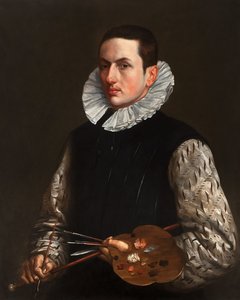
Frans Pourbus the Elder
1545 - 1581 , Belgium
Quick Facts
- Artistic Movement Or Style: Renaissance portraiture
- Artists Or Movements Influenced By This Artist: ['Frans Pourbus the Younger']
- Artists Who Influenced This Artist:
- Frans Floris
- Anthonis Mor
- Date Of Birth: 1545
- Date Of Death: 1581
- Full Name: Frans Pourbus the Elder
- Nationality: Flemish
- Notable Artworks:
- Saint Andrew Panels
- Viglius Aytta Triptych
- Portrait of an Old Man
- Portraits of Archduke Albrecht and Archduchess Isabella
- Place Of Birth: Bruges, Belgium

